TL;DR: The best time to visit Tanzania for a safari is the dry season, June to October, when animals gather near water and tracks stay firm. January and February suit the calving season in the southern Serengeti and a Zanzibar beach break. April and May are the quietest and cheapest months, but also the wettest. Tell us what you want to see, and we'll pick the month and route for you.
Ask ten safari guides for the best time to visit Tanzania, and you'll hear more than one answer. That's because it depends on what you came for. River crossings, newborn calves, a Kilimanjaro summit and a quiet beach all peak in different months.
This guide helps you match the month to your plans. You'll find a quick table of goals and months, the four seasons explained, a month-by-month planner with 2027 events, and the best months for lower prices and fewer crowds.
We're an Arusha-based team, and we plan safaris, climbs and beach holidays all year round. For rain and temperature figures, see our guide to Tanzania weather by month. This page is about what to do and when.
When Is the Best Time to Visit Tanzania?
For most travellers, the best time to visit Tanzania is the long dry season from June to October. Wildlife is easy to find, tracks are firm and Kilimanjaro is at its best. January and February are the second-best window, with calving season in the Serengeti and hot, mostly dry beach days.
Guidebooks agree. Rough Guides calls the June to October dry season the best time to visit, with animals gathered near water and clear skies. But the right month still depends on your plans, so start with what you want to see.
Tanzania's Four Seasons at a Glance
Tanzania doesn't have summer and winter like Europe. Its year runs on the rains, which split it into four seasons. Here's what each one means for your trip.
Compare experiences
In the long dry season, grass is short and water is scarce, so animals gather where you can see them. Mornings and evenings are cool, so bring warm layers for early game drives. Our safari packing list covers what to bring in each season. In the wet months, the land turns green and fresh. Rain usually falls as afternoon storms, so mornings stay good for game drives. Some roads get muddy, and a few southern camps close for the heaviest rains.
When Is the Best Time for a Safari in Tanzania?
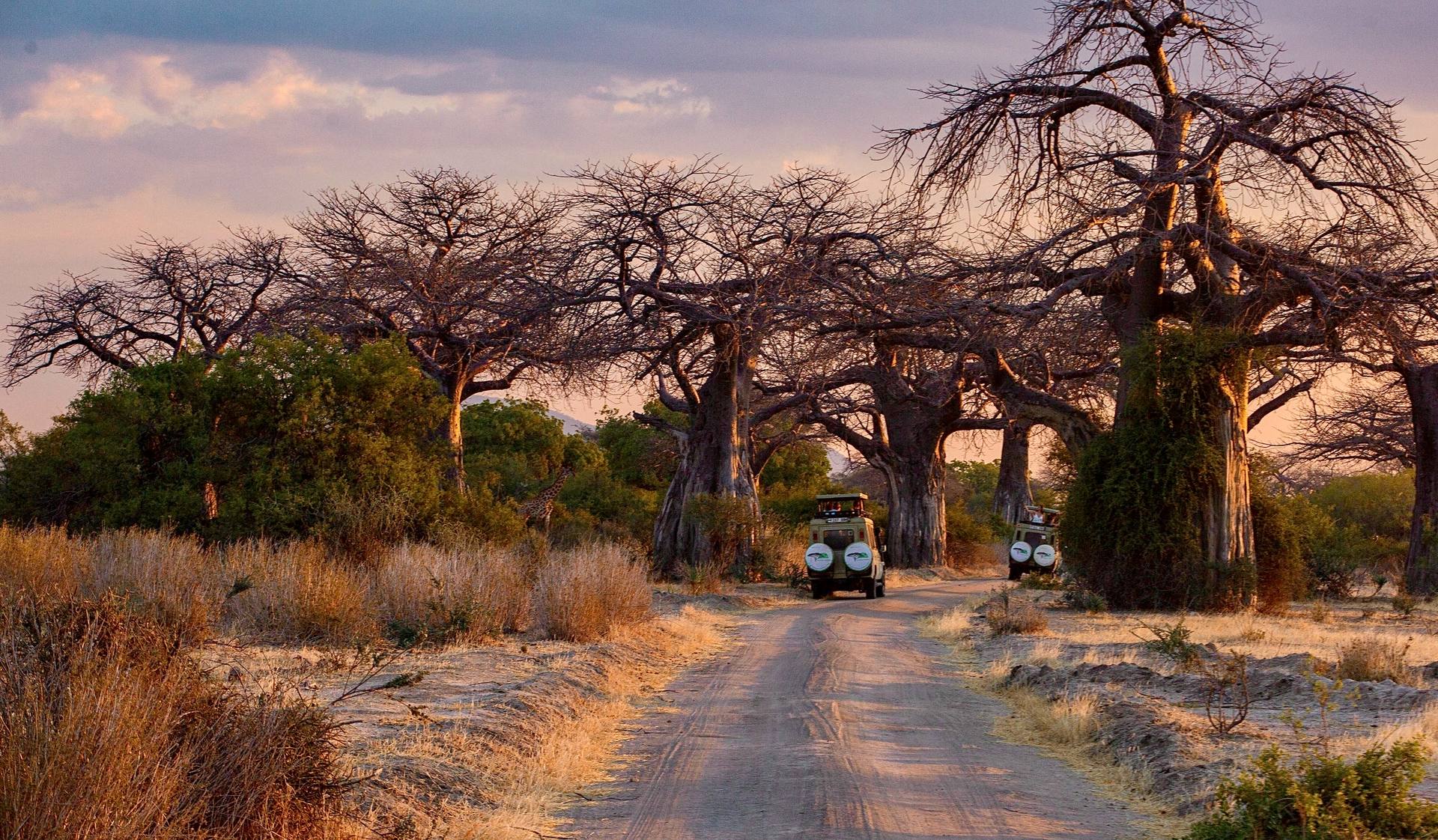
The best time for a safari in Tanzania is June to October, in both the northern and southern parks. Animals crowd around rivers and waterholes, and short grass makes them easy to spot. The Ngorongoro Crater is good all year, and the green season from November to April brings lush scenery and migrant birds.
In our experience, the northern parks are at their best in the dry season. With little water around, a lot of animals gather in a small area, and every game drive feels exciting. That's when the Serengeti and Tarangire National Park are full of life.
The Ngorongoro Crater is the exception to the rule. In our experience, it gives good game viewing in every month, so it's a safe stop if your dates fall in the rains.
The southern parks follow the dry season too. Bradt's Tanzania guide names the long dry season as the best time for Nyerere, Ruaha and Mikumi, and suggests avoiding late February to the end of May. Many camps in Nyerere National Park close in April and May, so plan Ruaha and Nyerere for June to October.
Don't rule out the green season, though. From November to April, Tarangire's 550-plus bird species are joined by migrants from Europe and North Africa. The parks are quiet, and the scenery is at its greenest.
When Can You See the Great Migration?
The Great Migration has two big moments in Tanzania, at opposite ends of the year. Calving peaks in February in the southern Serengeti, when up to 8,000 calves can be born in a day. Mara River crossings take place from about July to October in the northern Serengeti. Calving season runs from about January to March. BBC Wildlife reports that up to 500,000 calves are born on the short-grass plains around Ndutu each season. Most births fall within about three weeks, which makes February the safest month to aim for. The river crossings are the other highlight. Rough Guides says they usually peak around July and August, and in our experience they can carry on into October. Our 9-day Great Migration safari is built around that season. Between these two moments, the herds keep moving with the rains, so the exact timing changes a little each year. We plan your route around where the herds are expected to be.
Best Time to Visit Tanzania Month by Month
Use this planner to see what each month is good for, how busy it gets and what's on. For rain and temperatures, check the monthly weather figures.
January
January is great for calving season and the beach. The short dry season brings hot, mostly dry days, and Kilimanjaro is quieter than in the summer months. Early January is still busy with holiday travellers. After a wet end to 2026, some extra showers are possible this January.
February
February is peak calving season in the southern Serengeti, and Zanzibar is hot and sunny. Runners can join the Kilimanjaro Marathon in Moshi on 7 February 2027. Ramadan is expected to start around 8 February 2027, which changes daily life on Zanzibar (more below).
March
March is a shoulder month. The long rains usually start in the second half, and lodges begin to lower their rates. On Zanzibar, the Sauti za Busara music festival moves to 19 to 21 March 2027, after Ramadan ends.
April
April is the wettest and quietest month. Expect afternoon storms, muddy tracks and game drives with hardly another vehicle in sight. Lodges offer their lowest rates, and some southern camps close.
May
The rains fade during May, and the parks turn bright green. It's still low season, so you'll find good availability and fewer vehicles at sightings. Late May is a smart choice if your dates are flexible.
June
June opens the long dry season. The grass gets shorter, animals gather near water, and high season begins. It's also a good month to climb Kilimanjaro before the July and August crowds.
July
July is peak season. River crossings often begin in the northern Serengeti, and many families travel during school holidays. If you're planning a family safari for the summer, book early, as the best camps fill up fast.
August
August is the busiest month of the year. Zanzibar welcomed a record 124,481 international visitors in August 2026, and its hotels were almost full. Expect crowds at the Mara River and excellent game viewing everywhere.
September
September is still dry, with great wildlife and slightly fewer visitors than August. River crossings often continue. It's a strong month to pair a safari with a few days on the beach.
October
October is the last month of the long dry season and quieter than the peak months. It's a good time to climb Kilimanjaro or visit the southern parks. Late in the month, the first short rains can arrive.
November
November brings the short rains and the start of the green season. Rates drop, migrant birds arrive and the parks are quiet. For late 2026, the Tanzania Meteorological Authority expects heavier rain than usual, possibly lasting into January 2027.
December
Early December is quiet and green. From mid-December, Christmas and New Year make it busy again, especially on Zanzibar. Book flights and beach hotels early if you're travelling over the holidays.
When Is the Cheapest and Quietest Time to Visit Tanzania?
The cheapest and quietest time to visit Tanzania is the long rains, from April to May. Many lodges cut their rates, and you'll share sightings with far fewer vehicles. March and November are good shoulder months, with lower prices and fewer storms than April.
The numbers show how big the difference is. The Bank of Tanzania's visitor survey names July to September as peak season. On Zanzibar, arrivals dropped to 38,554 in April 2026, less than a third of the August peak.
Bradt also notes that most lodges and camps offer much cheaper low-season rates, and that the Ngorongoro Crater and Lake Manyara are far less crowded at these times.
Low season has trade-offs. Some roads get muddy, a few camps close, and you'll need some flexibility for storms. To see how the season changes your budget, read our guide to what a Tanzania safari costs.
Kilimanjaro and Zanzibar: Timing the Rest of Your Trip
Most visitors combine a safari with a climb or a beach stay, so it helps to line up all three.
You can climb Kilimanjaro all year, but the dry months are best. The Tanzania Tourist Board lists January, February, July, August and September as the most popular months, and warns that routes get slippery in the wet seasons. Bradt names November and December as the hardest months for climbing.
For a Zanzibar beach holiday, aim for June to October or December to February. Bradt suggests avoiding April and May, the wettest months on the coast. A safari and Zanzibar trip works best in the long dry season, when the parks and the beaches are both at their best.
If you travel in February or early March 2027, plan around Ramadan on Zanzibar. It's expected to run from approximately 8 February to 9 March. Hotels and beach resorts run as normal, but many small local restaurants close during the day. We advise guests to dress modestly and to avoid eating or drinking in the street in daylight.
Conclusion: Pick Your Month by What You Want to See
There's no wrong month to visit Tanzania, only a better fit for your plans. Keep these three points in mind:
- June to October is best for safaris, river crossings and Kilimanjaro.
- January and February bring calving season and hot beach days.
- April and May offer the lowest rates and the quietest parks.
Tell us your dates and your must-sees, and we'll suggest the best route for that time of year. Plan your trip with our Arusha team, and we'll reply with ideas built around your month. Whenever you come, Tanzania has something special waiting.