Lodges and campsites in Mto wa Mbu
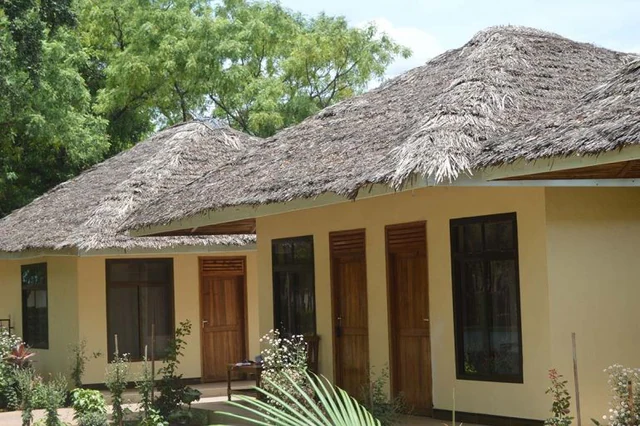
Simple lodges, tented camps and campsites in the lively market village at the park gate, minutes from the entrance, with local restaurants and cultural walks on the doorstep.
Mto wa Mbu village
Northern Circuit · Tanzania
Lake Manyara Park has a narrow strip of groundwater forest, woodland and soda lake at the foot of the Great Rift Valley escarpment, just two hours from Arusha. Small enough to explore in a day, and varied enough to surprise people who come for the lions in the trees and leave talking about the forest, the baboons and the birds.
Tripadvisor
Travelers' Choice Awards
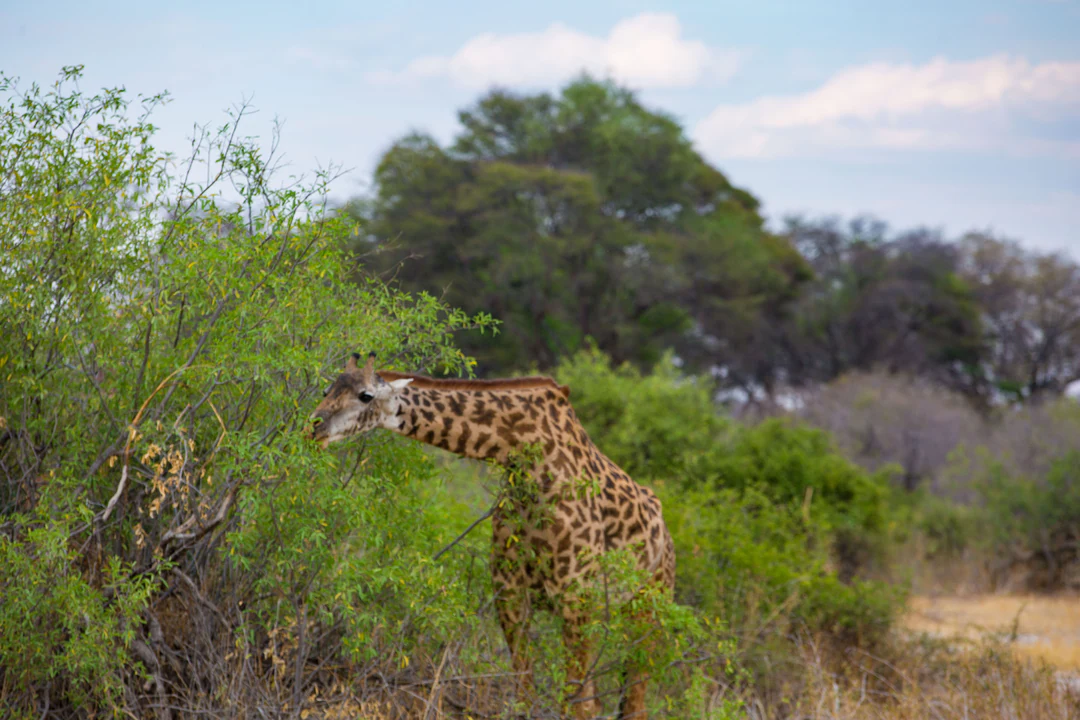
Lake Manyara National Park lies between the wall of the Great Rift Valley and the alkaline waters of Lake Manyara in northern Tanzania. It became a national park in 1960 and covers 648.7 km², a large share of it the lake itself. The name comes from emanyara, the Maasai word for the euphorbia plant that herders once grew as living fences for their cattle. Few parks pack so much into so little space. You enter through groundwater forest fed by springs from the escarpment, with tall fig and mahogany trees, blue monkeys and large troops of olive baboons. The forest opens onto acacia woodland and grassy floodplains where elephant, buffalo, giraffe, zebra, wildebeest and hippo graze, and at the southern end hot springs rise at Maji Moto.
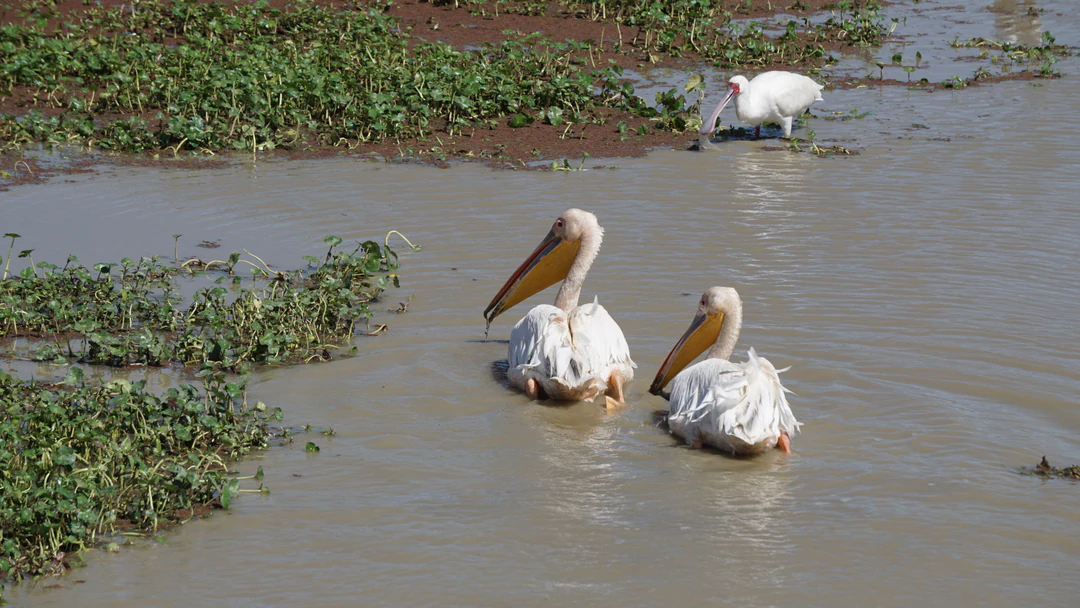
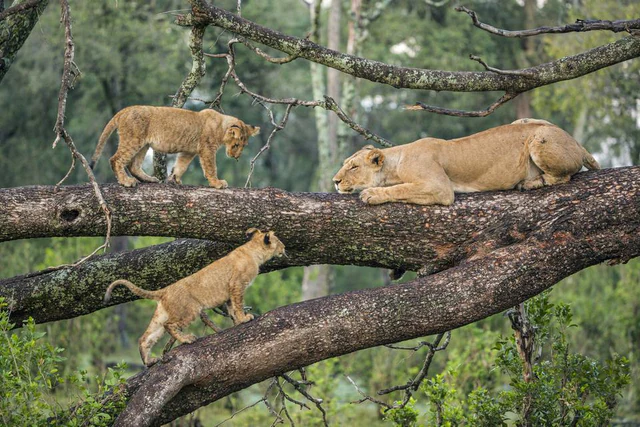
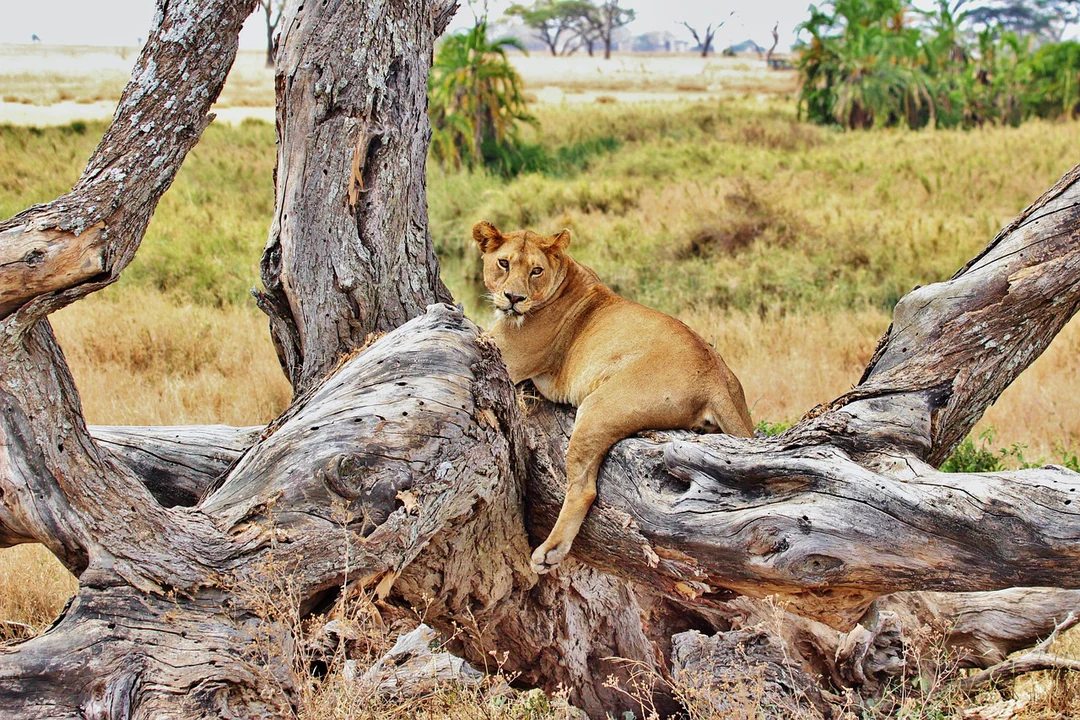
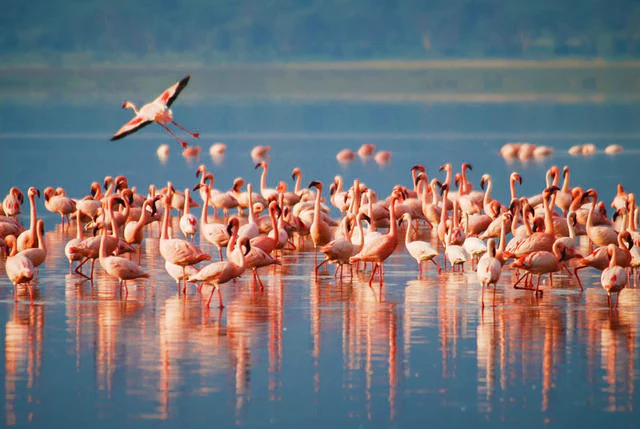
The lake changes with the rains. When conditions are right, thousands of flamingos gather in the shallows, joined by pelicans, storks and cormorants among the roughly 400 bird species recorded here. Lake Manyara is also famous for lions that rest in trees, behaviour seen in only a few places in Africa. Sightings are never guaranteed, but they are part of what makes a morning here feel different. The park is part of the Lake Manyara Biosphere Reserve, recognised by UNESCO in 1981. It sits right on the road from Arusha to the crater and the Serengeti, so it slots easily into a northern circuit safari, usually after Tarangire and before the Ngorongoro Crater. Many guests stay in Mto wa Mbu village or on the escarpment above the park, which also works as a base for the crater.
Lake Manyara is one of the few parks in Tanzania where you can do far more than drive. A classic day combines a game drive through the forest and floodplains with a walk high in the canopy, and when the water is high enough, a paddle along the shore.
Lake Manyara can be visited all year, and because it is small and close to Arusha it works with whatever else is on your itinerary. The seasons change is what you notice the most: big game in the dry months, birds and a green, dramatic landscape in the wet months.
Flamingo numbers depend on the depth and saltiness of the lake, which change from year to year, so we check recent reports from guides before promising a pink shoreline. For rainfall by month, see our Tanzania weather guide. Let us know what suites you best and we will plan a trip with you. →
Simple lodges, tented camps and campsites in the lively market village at the park gate, minutes from the entrance, with local restaurants and cultural walks on the doorstep.
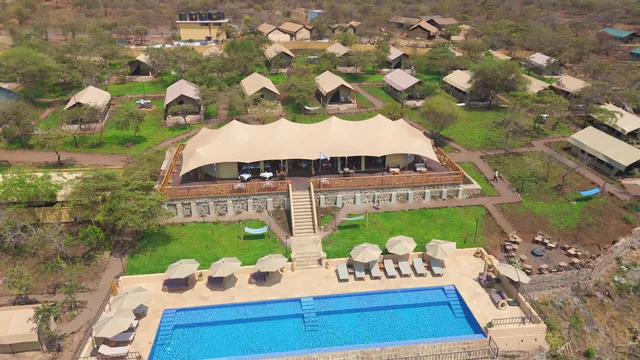
Comfortable lodges and tented camps along the escarpment, with sweeping views over the lake and the park below. Convenient for Lake Manyara and a good base for the Ngorongoro Crater.
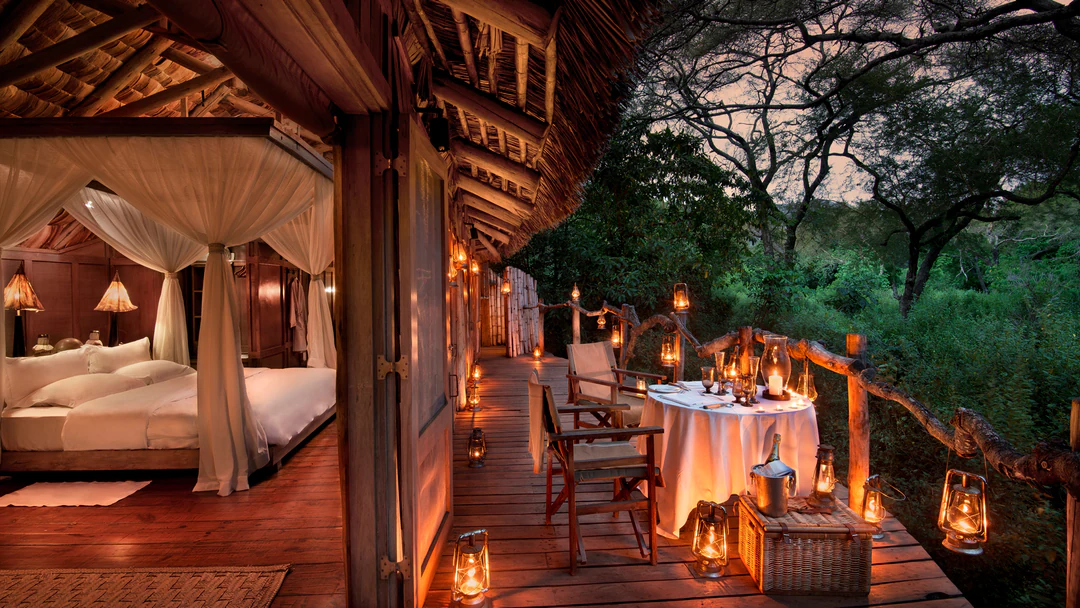
A handful of exclusive camps and lodges inside the park, in the forest or near the lake, where night drives are on the menu and you have the park almost to yourself after the day visitors leave.
Start with one of these safaris that include Lake Manyara, then work with our local expert in Arusha to change the pace, the camps and the length of your trip.