Northern Circuit · Tanzania

Ngorongoro Crater

Ngoorongoro is one of the largest intact volcanic calderas in the world: a 260 km² crater floor surrounded by walls some 600 m high, home to lion, black rhino, elephant, buffalo and around 25,000 large animals. Three to four hours from Arusha, and one of the few places in Africa where the Big Five are realistic in a single morning.

Tripadvisor

Travelers' Choice Awards

Best timeAll year; June to October for dry-season viewing
Size260 km² crater floor, Northern Circuit
Getting there3 to 4 hr (about 180 km) by road from Arusha
Known forBlack rhino, lions, Big Five

The Ngorongoro Crater: A World of Its Own Inside a Volcano

Between two and three million years ago, a volcano that may once have stood as tall as Kilimanjaro collapsed in on itself and left the Ngorongoro Crater: a caldera roughly 19 km across, with a floor of about 260 km² lying some 600 m below its forested rim. Springs, swamps and a soda lake keep the floor green all year, so most of the wildlife that lives there has little reason to leave. The crater is the centrepiece of the Ngorongoro Conservation Area, an 8,292 km² UNESCO World Heritage Site where wildlife and Maasai pastoralists share the land. It is managed by the Ngorongoro Conservation Area Authority rather than Tanzania National Parks, and it is not a national park, which is why Maasai herders and their cattle are a common sight in the highlands and why the fees work differently.

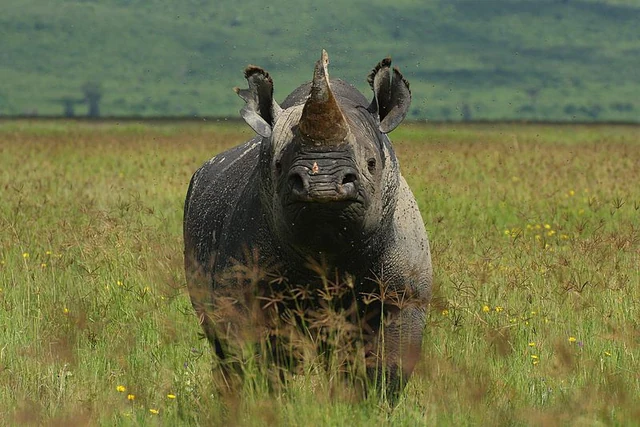
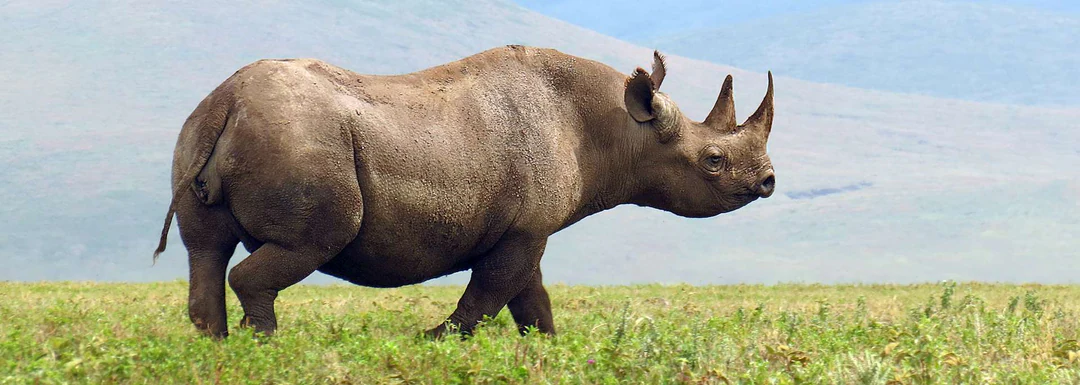
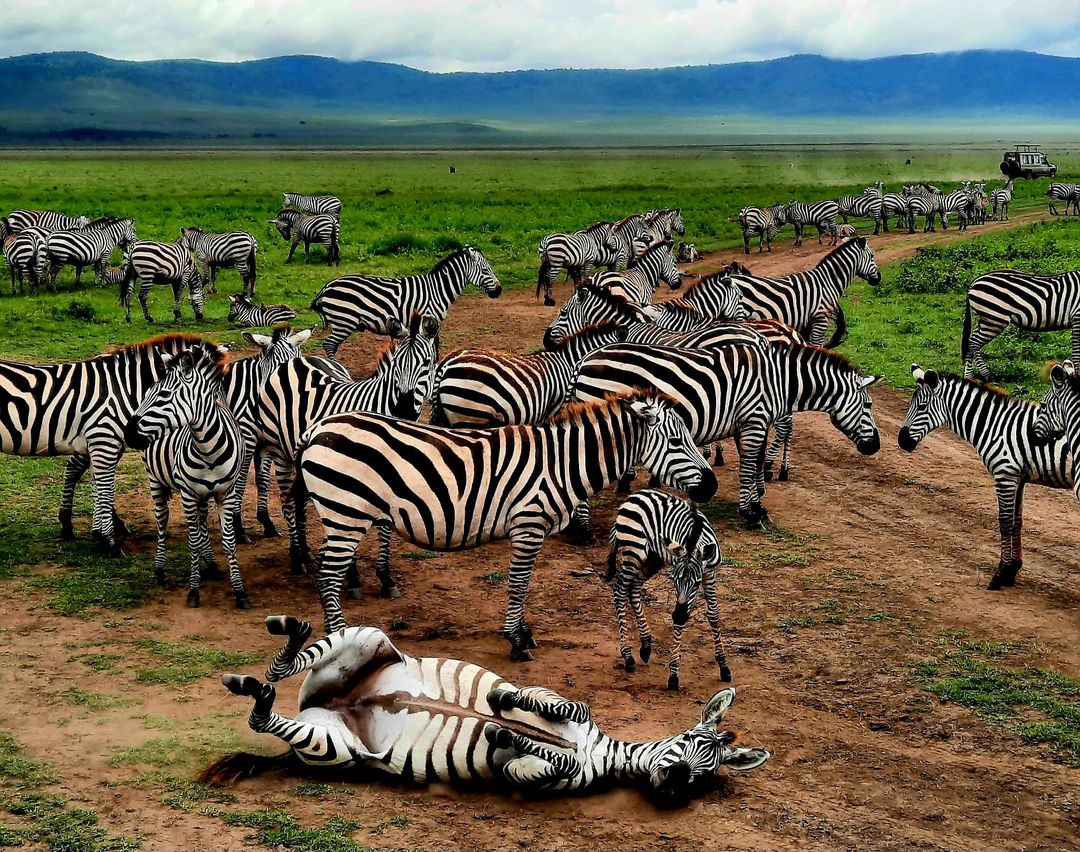
On the crater floor, lion, spotted hyena, buffalo, wildebeest, zebra, eland and hippo are easy to see, along with old bull elephants carrying some of the largest tusks in Tanzania. Flamingos gather on Lake Magadi when water levels suit them. The crater is also one of the best places in East Africa to see the critically endangered black rhino, most often on the open grassland near the Lerai Forest. Most visitors see the crater on a game drive as part of a northern circuit safari, between Lake Manyara or Tarangire and the Serengeti. Our Ngorongoro Crater day trip from Arusha works if you are short of time, while a night on the rim or in Karatu lets you be at the gate when it opens and on the crater floor before the crowds.

Things to Do at the Ngorongoro Crater

A visit is built around one long game drive on the crater floor, starting as early as the gates allow. Time down there is limited by the conservation authority, so we plan the drive around where the rhino, lions and elephants have been seen. The wider conservation area adds hikes, history and Maasai culture.

See all activities

Crater floor game driveDescend at dawn through the rim forest and spend up to six hours on the floor, moving between the grassland, Lake Magadi, the Lerai Forest and the hippo pool at Ngoitokitok Springs.
Looking for black rhinoA small, closely protected population of black rhino lives on the crater floor. Your guide scans the open plains and keeps in touch with other guides for the best chance of a sighting.
Crater rim walksGuided walks along the forested rim with an armed ranger, with elephant and buffalo in the forest and views down into the caldera. Easy to combine with your game drive day.
Olduvai GorgeOn the road to the Serengeti, Olduvai (Oldupai) Gorge is where the Leakeys found some of humanity's earliest fossils. A small museum overlooks the site and makes a fascinating stop.
Maasai boma visitVisit a Maasai homestead in the conservation area, arranged with the community, to see how families live alongside wildlife, with songs, dances and a look inside a traditional house.
Empakaai and Olmoti cratersFor hikers, the smaller Empakaai Crater has a steep trail down to a flamingo-lined lake, and Olmoti offers a short walk to a waterfall. A quieter day for those staying longer.

The Best Time to Visit the Ngorongoro Crater, Month by Month

Because the crater floor has permanent water, most of its animals stay all year, so there is no bad time to visit. The seasons change the colour of the landscape, the number of vehicles and what is happening just beyond the crater walls.

June to October: dry season. Clear skies, short grass and easy game viewing, but also the busiest months, so an early descent matters most now. Nights on the rim are cold, so bring warm layers.
November and December: the short rains. Brief showers, green grass and fewer vehicles. The migration herds move south toward the Ndutu plains in the western part of the conservation area.
January to March: calving season next door. The crater is lush and quiet, and the Great Migration's calving on the Ndutu plains, inside the same conservation area, makes this a superb time to combine the two.
April and May: the long rains. The quietest, greenest time with the best rates. Roads can be slippery and the rim is often in cloud, but the crater floor is still full of animals.

Whenever you come, the rim sits at around 2,300 m and is much cooler than the rest of your safari, so pack a warm layer for early mornings. For rainfall and temperatures by month, see our Tanzania weather guide. Let us plan your crater day or fit in with other parks. →

Where to Stay near the Ngorongoro Crater

View All accommodations
Budget

Lodges and campsites in Karatu

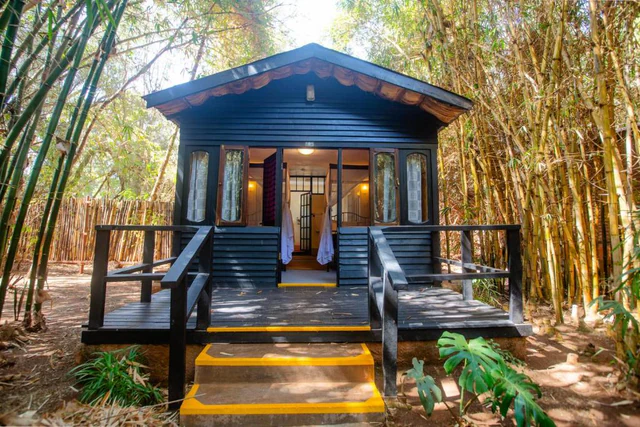
Simple lodges and campsites in and around Karatu, among coffee farms below the highlands, or the public campsite on the rim for a genuine bush night. Great value, with an easy early start to the crater gate.

Karatu and the rim campsite
Mid-range

Farm lodges and rim lodges

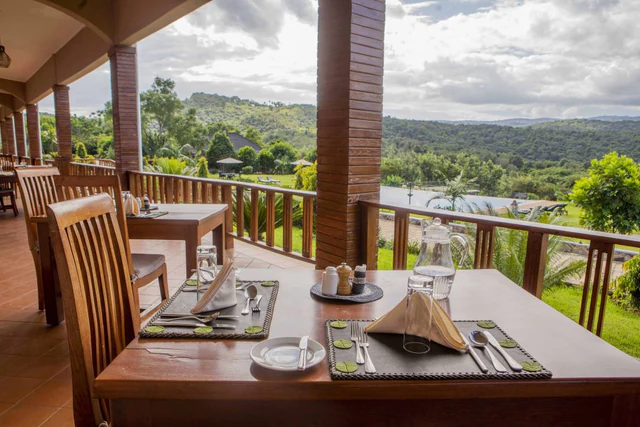
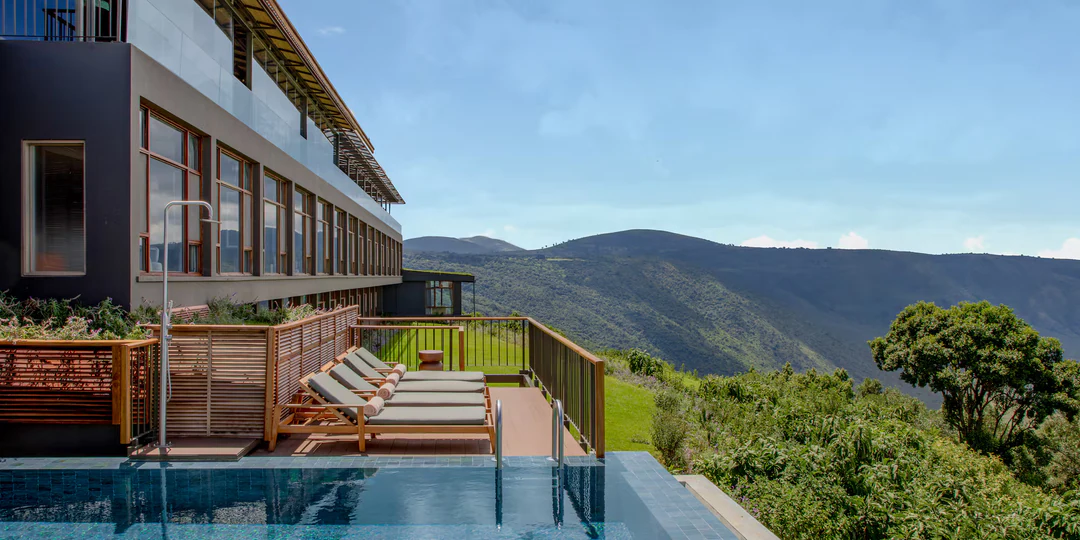
Comfortable lodges on coffee estates around Karatu, or larger lodges on the crater rim with views straight down onto the crater floor.

Karatu highlands and crater rim
Luxury

Lodges on the crater rim

Exceptional lodges perched on the rim, with suites looking over the caldera, fires in the evening and the shortest possible drive to the descent road at dawn.

Crater rim

Ngorongoro Safaris, Tailored to You

Start with one of these safaris that include the Ngorongoro Crater, then work with a local planner in Arusha to change the pace, the camps and the length.

Ngorongoro Crater Questions We Get Most Often

How much time do I need in the Ngorongoro Crater?One game drive of four to six hours on the crater floor is enough for most travellers, and the conservation authority limits time on the floor to around six hours. Staying the night before on the rim or in Karatu makes an early start possible.
Is the Ngorongoro Crater worth the cost?For most travellers, yes. A per-vehicle crater fee is charged on top of the per-person conservation fee, so it is one of the more expensive days of a safari, but nowhere else in Tanzania gives you such a good chance of lion, elephant, buffalo and black rhino in a single morning. Our guide to Tanzania safari costs explains the fees.
Can I see the Big Five in the Ngorongoro Crater?Lion, elephant, buffalo and black rhino are all seen regularly, and many visitors see four of the five in one drive. Leopard live in the rim forest and the Lerai Forest but are rarely seen on the floor, so they are the hardest to find.
Can I visit the Ngorongoro Crater on a day trip from Arusha?Yes. It is three to four hours each way, so our Ngorongoro Crater day trip leaves early and returns in the evening. If you can spare one more night, staying near the crater makes the day far less rushed.