Ngorongoro Conservation Area Β· Tanzania

Ndutu and the Wildebeest Calving Season

Wide short-grass plains, two small soda lakes and, from about December to March, the Great Migration's calving season. Thousands of wildebeest calves are born here every day at the peak, and lions, hyenas and cheetahs are never far behind. It is one of the most dramatic wildlife spectacles in Africa.

Tripadvisor

Travelers' Choice Awards

Best timeDecember to March, with the calving peak around February
LocationSouthern Ngorongoro Conservation Area, on the Serengeti border
Getting thereAbout 6 hours by road from Arusha, or a short flight to Ndutu airstrip
Known forWildebeest calving, big cats, Lake Ndutu and Lake Masek

Ndutu: Where the Great Migration Is Born

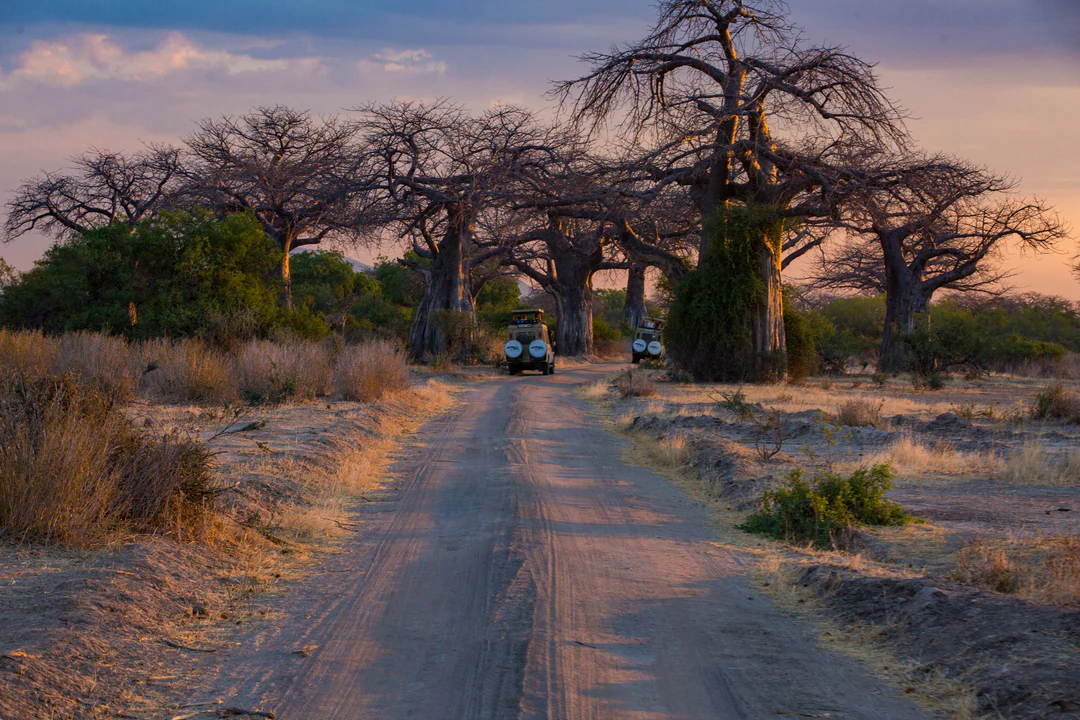
Ndutu lies in the southern part of the Ngorongoro Conservation Area, right on the border with Serengeti National Park, and its plains run on into the southern Serengeti without a fence. It is named after Lake Ndutu, a small seasonal soda lake that sits with its neighbour, Lake Masek, in a belt of acacia woodland.
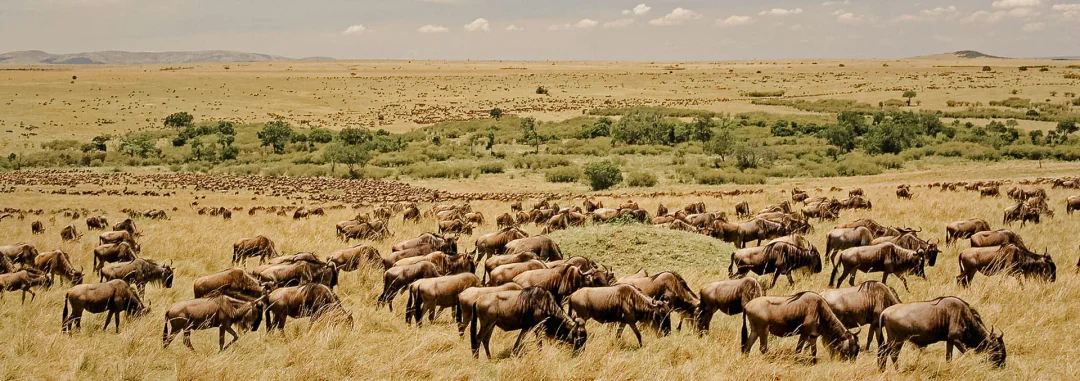
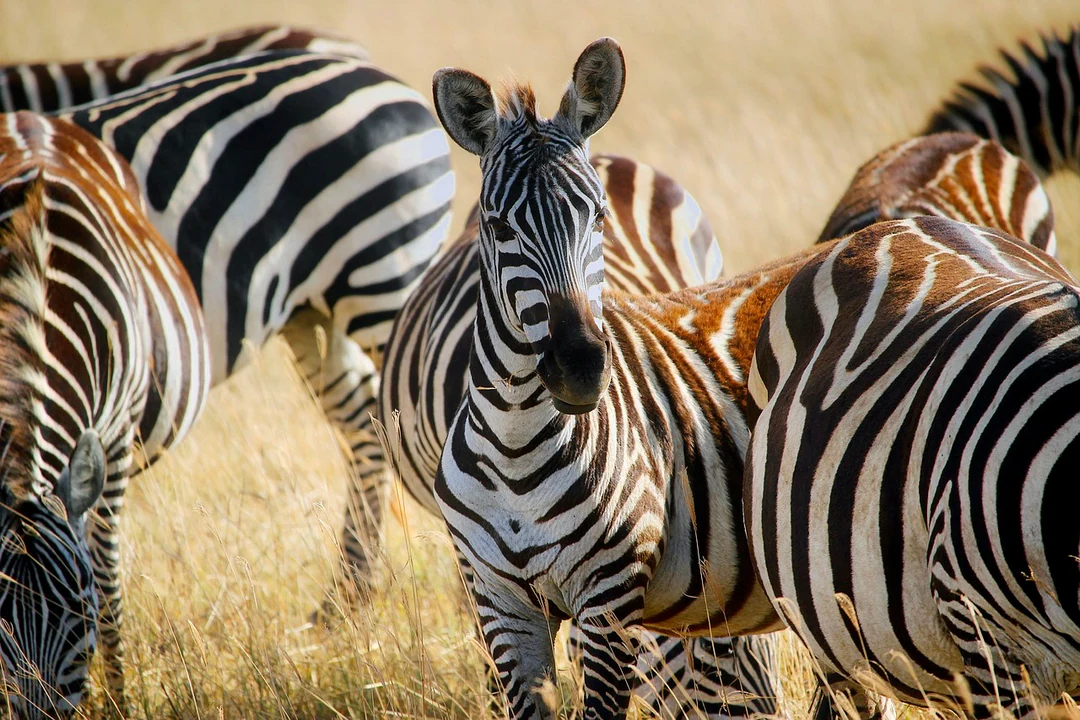
The grass here grows on volcanic soil rich in minerals, and after the short rains the plains turn green with short, nutritious grass. That is what draws the Great Migration south each year: from about December to March, hundreds of thousands of wildebeest and zebra spread across the plains to graze and give birth.

Most calves are born within a few weeks around February, so many are born at once and predators cannot catch them all. Lions, spotted hyenas and cheetahs live on the plains all year and follow the herds closely, which makes Ndutu one of the best places in Tanzania to watch a hunt. Once the plains dry out, the herds move on, and from about April to November Ndutu is quiet.
Ndutu sits on the road west from the Ngorongoro Crater, so most guests spend a day in the crater on the way in or out. In the second half of the year the herds are far to the north, crossing the Mara River in the northern Serengeti. For more places to combine, browse all our Tanzania destinations.

On Safari

Things to Do at Ndutu

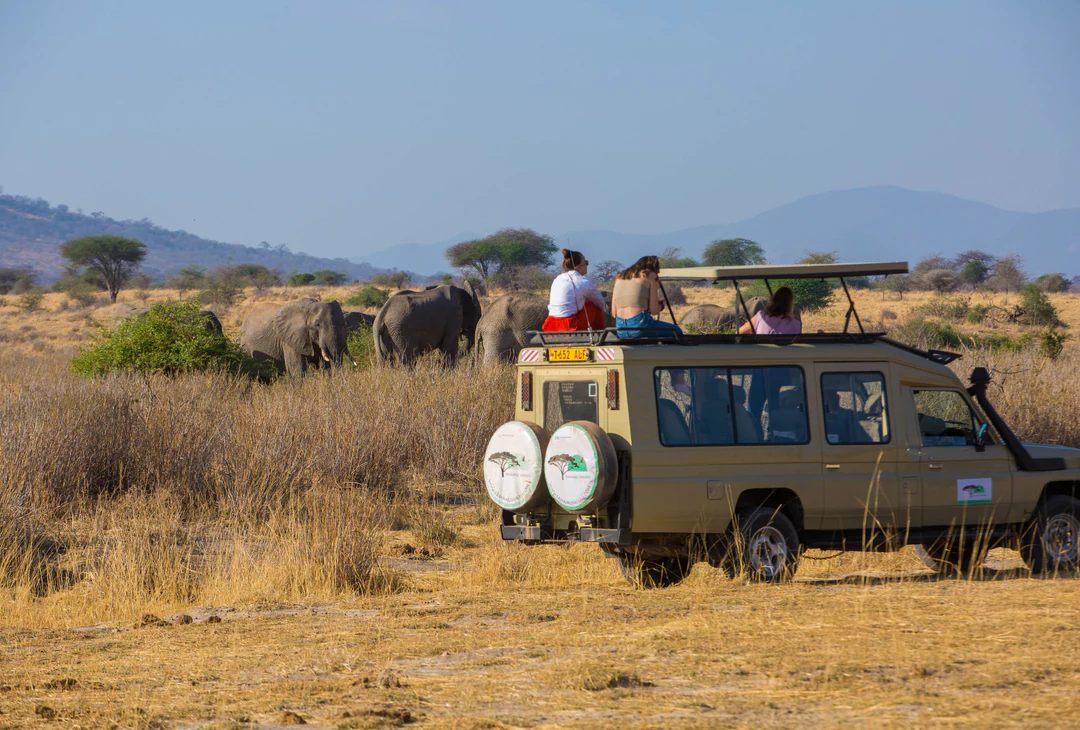
Ndutu is all about the plains and what happens on them. Days are spent on game drives with your guide, moving with the herds and the predators that follow them.

See All Activities

Watch the CalvingAt the peak of the season, thousands of wildebeest calves are born on the plains every day. Within minutes most are standing, and soon they are running with the herd.
Big Cats on the HuntLions, hyenas and cheetahs follow the herds across the open plains, so hunts are common and easy to see. Mornings and late afternoons are usually the most active times.
Lake Ndutu and Lake MasekThe two small soda lakes draw elephant, giraffe and waterbirds, and flamingos when the water suits them. The woodland around them is good for leopard and birdlife.
Woodland Game DrivesBetween the plains and the lakes, acacia woodland shelters giraffe, elephant and resident predators all year, a welcome change of scene from the open grass.
The Ngorongoro Crater on the WayThe road to Ndutu passes the rim of the Ngorongoro Crater, so a day on the crater floor fits easily into a calving safari.
Olduvai GorgeJust off the same road, Olduvai Gorge is where some of the most important early human fossils were found. A short stop at the museum makes a good break on the drive.

When to Go

The Best Time to Visit Ndutu, Season by Season

Ndutu's year follows the rain. When the short rains turn the plains green, the herds arrive; when the plains dry out, they leave. For rainfall and temperatures by month, see our Tanzania weather guide.

December and January: the herds arrive. After the short rains, the migration spreads across the plains, and the first calves are born.
February: the calving peak. Most calves are born within a few weeks, and predator action is at its most intense. The busiest time of year at Ndutu.
March: calves on the move. The young are stronger, the long rains begin, and the herds start to drift north and west as the plains dry.
April to November: quiet season. The big herds are gone and many seasonal camps close, but resident predators, giraffe, elephant and birds stay around the lakes.

The calving follows the rains, so it can start early or late. Fahamu Safaris plans calving safaris around the latest reports from guides in the field, and our guide to the best time to visit Tanzania shows how Ndutu fits with the rest of your trip.
Tell us when you can travel, and we will plan your calving safari around the herds. β†’

Where to Stay

Where to Stay at Ndutu

All Accommodations
Budget

Special Campsites and Simple Camps

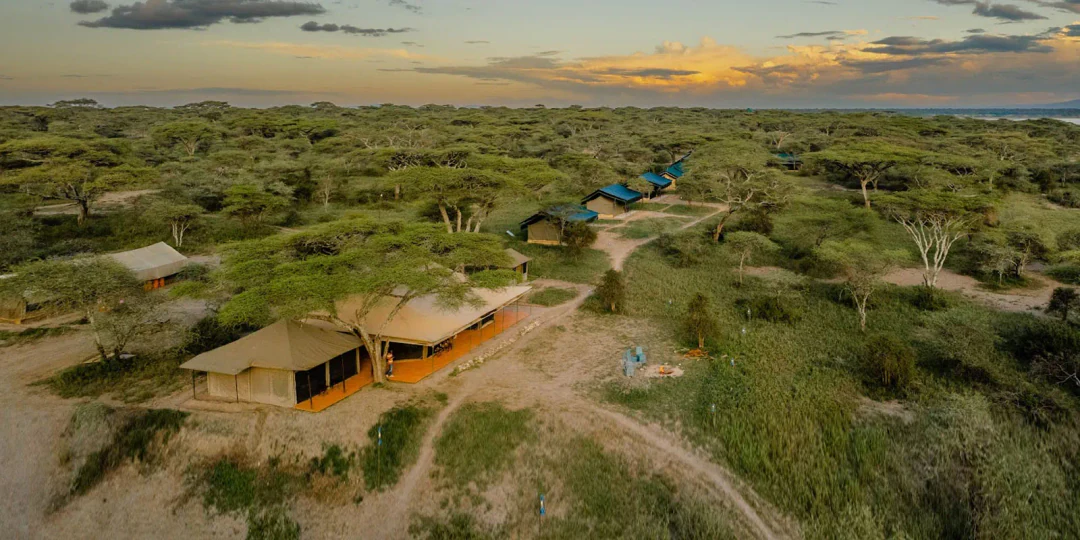
Special campsites booked through the conservation area for camping safaris, and basic tented camps that open for the calving season, with the herds right on your doorstep.

Ndutu plains
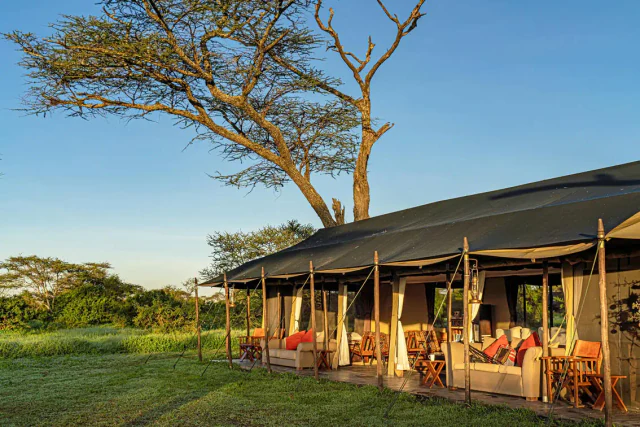
Mid-range

Comfortable Tented Camps

Well-run tented camps on the plains or in the woodland, with proper beds, en-suite bathrooms and game drives straight from camp.
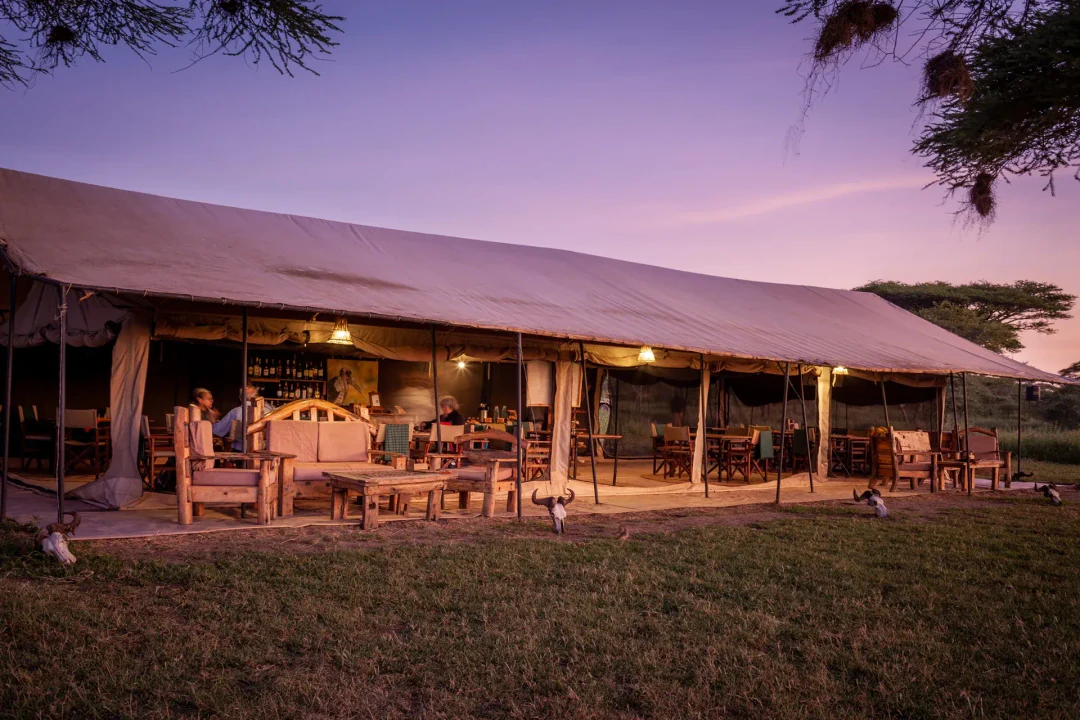
Ndutu plains and woodland
Luxury

Lodges and Luxury Camps

Stylish camps and lodges near Lake Ndutu and Lake Masek, with fine dining, spacious rooms and the calving plains a short drive away.

Lake Ndutu and Lake Masek

Ndutu Calving Safaris, Tailored to You

Tell us how many days you have, and the Fahamu Safaris team in Arusha will plan your calving safari around Ndutu, the Ngorongoro Crater and the parks you want to add.
Ndutu and Calving Season Questions We Get Most Often

When is the calving season at Ndutu?The calving season at Ndutu runs from about December to March, and most calves are born within a few weeks around February. The timing follows the short rains, so it shifts a little from year to year. Fahamu Safaris checks the latest herd reports before fixing your dates.
Is Ndutu in the Serengeti or the Ngorongoro Conservation Area?Most of the Ndutu area lies in the southern Ngorongoro Conservation Area, right on the border with Serengeti National Park, and the plains run on into the southern Serengeti without a fence. The herds use both sides. Where you stay decides which fees you pay, so our Arusha team plans your route with that in mind.
How many days do I need at Ndutu?Plan at least two nights at Ndutu in the calving season, so you have two full days on the plains with the herds and the predators that follow them. Most guests add the Ngorongoro Crater on the way in or out, and many continue into central Serengeti for a longer safari.
How do I get to Ndutu?Ndutu is about six hours by road from Arusha, past the rim of the Ngorongoro Crater, so most guests break the journey with a night near the crater. Frequent light-aircraft flights also serve Ndutu airstrip, and central Serengeti is about two hours' drive away. Fahamu Safaris can plan either route.
What predators can I see at Ndutu?Lions, spotted hyenas and cheetahs live on the Ndutu plains all year, and in the calving season they follow the herds closely, so hunts are common. Leopard hide in the woodland around Lake Ndutu and Lake Masek, and jackals and vultures are never far away. Sightings can be dramatic, so prepare younger children for what they may see.
Is Ndutu worth visiting outside the calving season?Outside the calving season Ndutu is quiet. From about April to November the big herds are gone, many seasonal camps close and the plains dry out, although resident predators, giraffe, elephant and birds stay around the lakes. For the migration in those months, our Arusha team will point you to central Serengeti or the northern Serengeti.
Can I combine Ndutu with the Ngorongoro Crater?Yes. The road from Arusha to Ndutu passes the rim of the Ngorongoro Crater, so a crater day fits easily on the way in or out. A common plan is a night near the crater, the crater floor at dawn, then the drive west to Ndutu. Olduvai Gorge, where early human fossils were found, lies just off the same road.
Do I need a special permit for Ndutu?No special permit is needed for Ndutu. It lies inside the Ngorongoro Conservation Area, so conservation area fees apply for each day you spend there, and vehicles must keep to roads and tracks unless the authority allows otherwise. Fahamu Safaris arranges your permits and includes the conservation area fees in your quote, so there is nothing extra to pay at the gate.