Serengeti National Park Β· Tanzania

Northern Serengeti and the Mara River Crossings

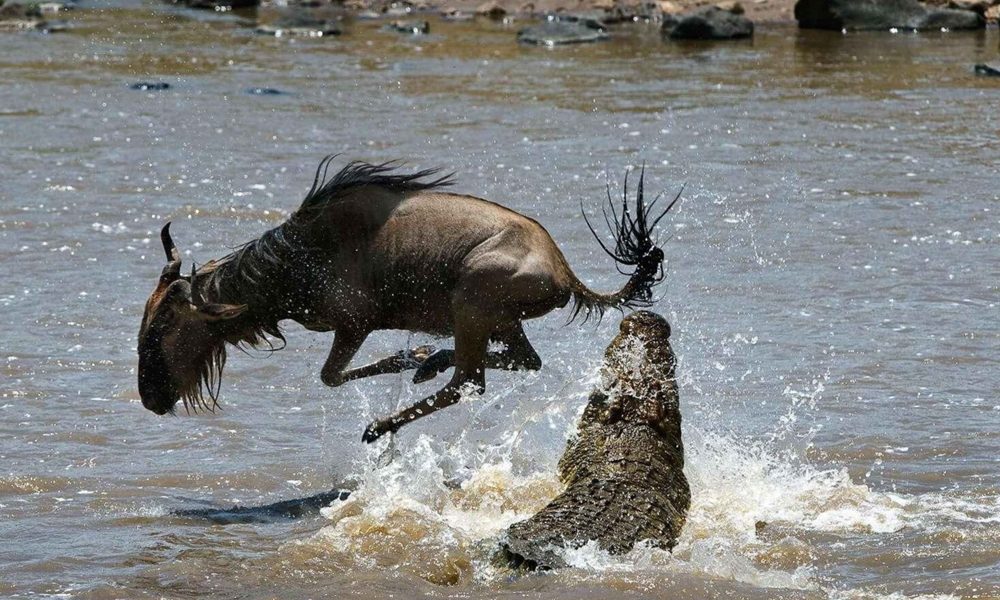
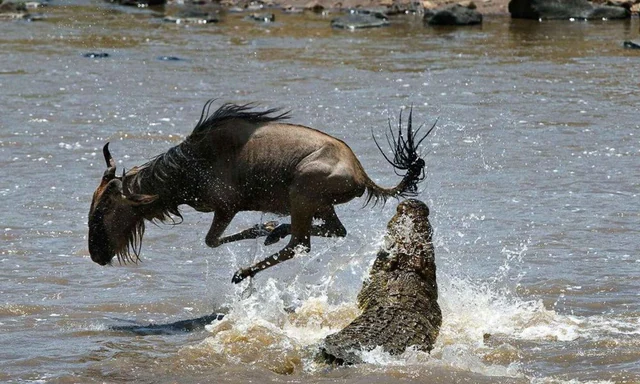
Rolling hills, granite kopjes and the Mara River on the Kenyan border. From about July to October, the Great Migration reaches the northern Serengeti, and thousands of wildebeest and zebra plunge into the river past waiting crocodiles. The rest of the year, it is one of the quietest corners of the park.

Tripadvisor

Travelers' Choice Awards

Best timeJuly to October for the Mara River crossings
LocationFar north of Serengeti National Park, on the Kenyan border
Getting thereDaily flights to Kogatende airstrip, or about 3 to 5 hours by road from central Serengeti
Known forMara River crossings, Lamai Wedge, quiet plains

Northern Serengeti: Where the Herds Meet the Mara River

The northern Serengeti is the part of Serengeti National Park that runs north from the Lobo hills to the Kenyan border, where the park meets Kenya's Maasai Mara. It is a land of rolling grassland, granite kopjes and acacia woodland, cut through by the Mara River, which flows all year.
The north has several areas, each with its own feel. Kogatende, on the south bank of the Mara, has the main airstrip and the best-known crossing points. The Lamai Wedge lies across the river, between the Mara and the Kenyan border, and feels wilder and emptier. To the east, Bologonja and the Lobo hills mix woodland, springs and kopjes, and the open Wogakuria plains lie closer to the river.

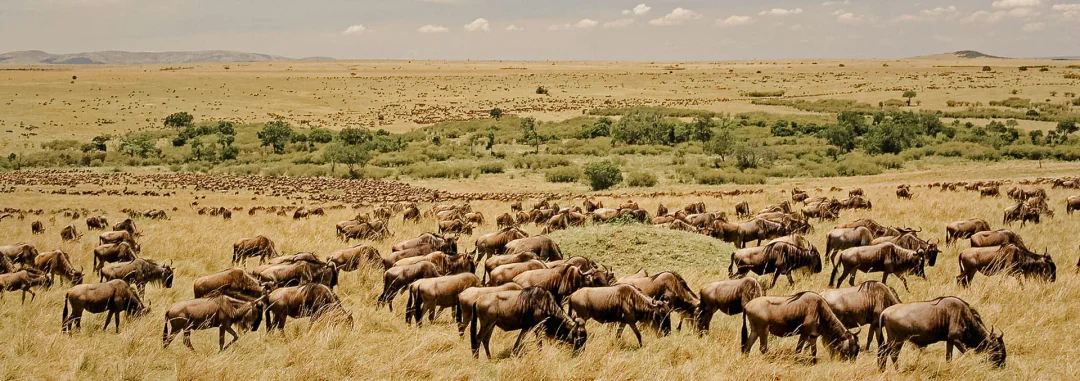
From about July to October, the Great Migration follows the rain and fresh grass north, and the herds have to cross the Mara River, often several times, as they move between Tanzania and Kenya. The rest of the year, the north belongs to its resident wildlife: elephant, buffalo, giraffe, lion, leopard, hyena and hippo, with very few other vehicles around.
Most guests reach the north at the end of a longer safari, after the Ngorongoro Crater and central Serengeti, as on our 9-day Great Migration safari, or fly straight in. From about December to March the herds are far to the south, calving on the short-grass plains around Ndutu. For more places to combine, browse all our Tanzania destinations.

On Safari

Things to Do in the Northern Serengeti

The northern Serengeti is about patience and space: long game drives, quiet mornings by the river and, in season, the wait for a crossing. Your guide reads the herds and the riverbanks, so you are in the right place when they move.

See All Activities

Watch a Mara River CrossingWait at a signposted crossing point while the herds gather on the bank, then watch thousands of wildebeest and zebra plunge into the river. A crossing can start within minutes or after hours, so a full day by the river gives you the best chance.
Game Drives around KogatendeThe plains and riverbanks around Kogatende hold resident elephant, buffalo, lion and hippo all year, and huge herds of wildebeest and zebra in the crossing season.
Explore the Lamai WedgeAcross the Mara River, the Lamai Wedge runs up to the Kenyan border. Fewer camps and fewer vehicles make it one of the quietest places in the park to watch the migration.
Bologonja and the Lobo HillsIn the northeast, springs, forest and granite kopjes around Bologonja and Lobo shelter elephant, lion and leopard, and make a scenic drive between the north and central Serengeti.
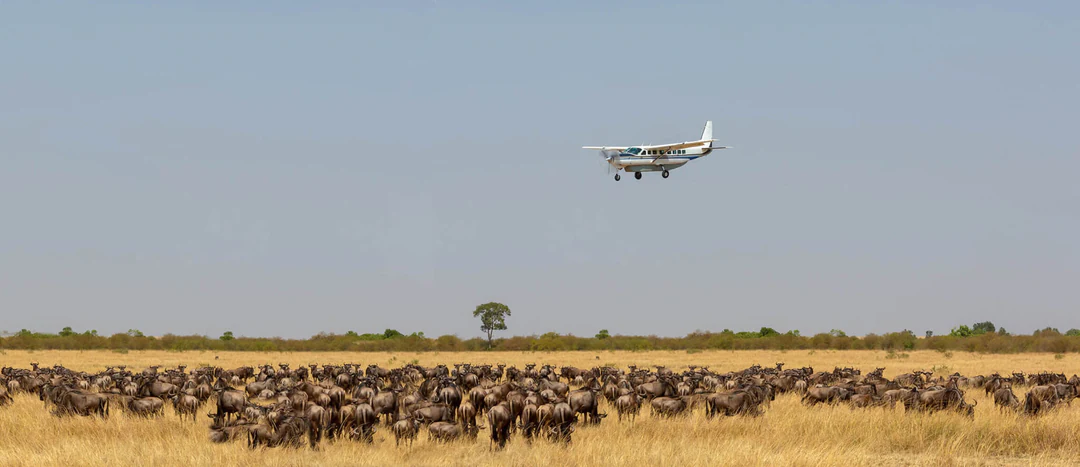
Combine with Central SerengetiDaily light-aircraft flights link central Serengeti with Kogatende, or you can drive north in about 3 to 5 hours with game viewing on the way. Either way, the north fits easily after a few days around Seronera.
Fly In to the RiverIn the migration months, light aircraft land at Kogatende airstrip, so you can fly straight to the river from Arusha or other parks and skip the long drive back.

When to Go

The Best Time to Visit the Northern Serengeti, Season by Season

The northern Serengeti has two very different seasons: the migration months, when the herds and most visitors arrive, and the quiet months, when the north belongs to its resident wildlife. For rainfall and temperatures by month, see our Tanzania weather guide.

July and August: the first crossings. The herds usually reach the Mara River in July, and crossings are often at their busiest from late July into August. This is also the busiest time for vehicles.
September and October: crossings continue. The herds move back and forth across the river and between Tanzania and Kenya, and crossings carry on, often with fewer vehicles than in August.
November and December: the herds head south. With the short rains, the migration moves south through the eastern Serengeti, and the north becomes quiet again.
January to June: resident wildlife. Green grass and very few visitors. The big herds are far to the south, but elephant, lion and other residents stay, and some seasonal camps close in the long rains.

The herds follow the rain, not the calendar, so the crossings move from year to year. Fahamu Safaris plans northern Serengeti trips around the latest reports from guides in the field, and our guide to the best time to visit Tanzania shows how the north fits with the other parks.
Tell us when you can travel, and we will plan your Mara River safari around the herds. β†’

Where to Stay

Where to Stay in the Northern Serengeti

All Accommodations
Budget

Simple Seasonal Camps

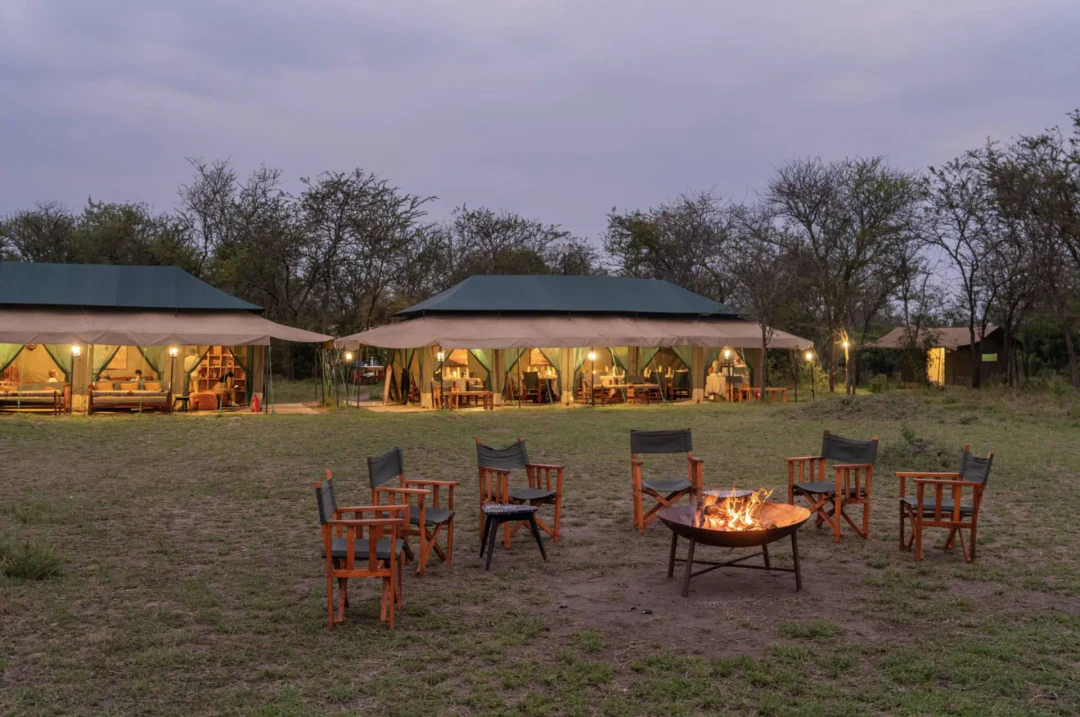
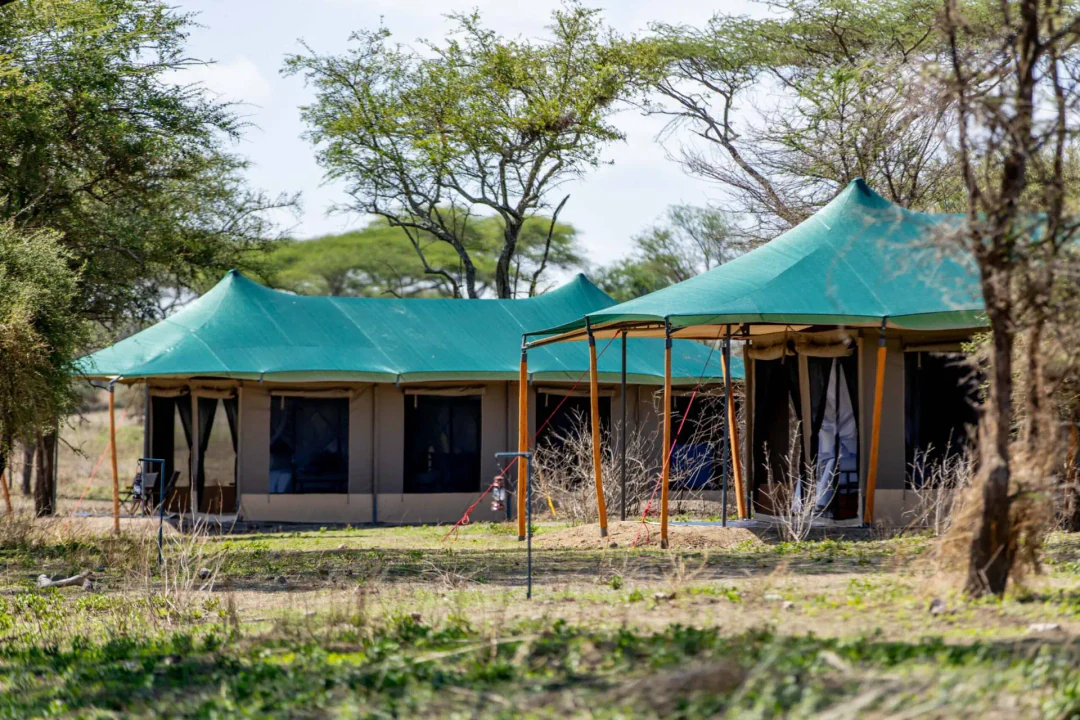
Basic tented camps that open for the migration months, with simple en-suite facilities and the river within a short drive.

Kogatende area
Mid-range

Comfortable Tented Camps

Well-run tented camps near Kogatende and in the Lamai Wedge, with proper beds, en-suite bathrooms and game drives from the door.

Kogatende and Lamai
Luxury

Luxury Lodges and Camps

Exclusive camps above the Mara River or in the Lamai hills, with fine dining, spacious tents and some of the quietest crossing points in the park.

Mara River and Lamai

Northern Serengeti Safaris, Tailored to You

Start with one of these safaris that reach the northern Serengeti, then work with the Fahamu Safaris team in Arusha to change the pace, the camps and the length.
Northern Serengeti and Mara River Questions We Get Most Often

When is the best time to see the Mara River crossings?The Mara River crossings in the northern Serengeti usually happen from July to October, with the busiest weeks often from late July into August. The exact timing depends on the rains, so it moves from year to year. Fahamu Safaris checks the latest herd reports before fixing your dates.
Is a Mara River crossing guaranteed?No. A Mara River crossing is never guaranteed, even in the peak months. The herds can gather on the bank for hours and then turn back, or cross somewhere else. Spending several nights in the northern Serengeti and full days near the river gives you the best chance of seeing one.
Is the Mara River crossing in Tanzania or Kenya?Both. The Mara River flows through Kenya's Maasai Mara and Tanzania's northern Serengeti, and the herds cross it on both sides of the border. In Tanzania, most crossings are watched around Kogatende and in the Lamai Wedge, which many visitors find quieter than the busiest crossing points.
How many days do I need in the northern Serengeti?Plan at least three nights in the northern Serengeti if a Mara River crossing is your goal, because crossings are unpredictable and extra days by the river raise your chances. Many guests combine the north with central Serengeti and the Ngorongoro Crater, as on the Fahamu Safaris 9-day Great Migration safari.
How do I get to the northern Serengeti?Most visitors fly to Kogatende airstrip in the northern Serengeti, with daily light-aircraft flights from central Serengeti and flights from Arusha and other parks in the migration months. You can also drive from central Serengeti, which takes about three to five hours depending on how often you stop for wildlife. Fahamu Safaris can plan either option.
What are the rules at the Mara River crossing points?Serengeti National Park sets rules for the Mara River crossing points, revised in July 2024. Vehicles may only park at signposted crossing points, each with a maximum number of vehicles and a set distance from the bank. Once the herds gather or cross, vehicles stay still and you stay inside. Picnics on the riverbank are not allowed.
Is the northern Serengeti worth visiting outside the migration season?Yes, if you want quiet. From about November to June the northern Serengeti has very few visitors, and resident elephant, buffalo, giraffe, lion and hippo stay all year. You will not see the big herds then, so our Arusha team will point you to central Serengeti or the calving grounds around Ndutu instead.
Can I see the Big Five in the northern Serengeti?Four of the Big Five are seen regularly in the northern Serengeti: lion, leopard, elephant and buffalo. Black rhino live in Serengeti National Park but are rarely seen, so most guests look for them in the Ngorongoro Crater, where Fahamu Safaris guests see them on about 70% of visits.