

Climb Kilimanjaro: Private Climbs on Africa's Highest Mountain

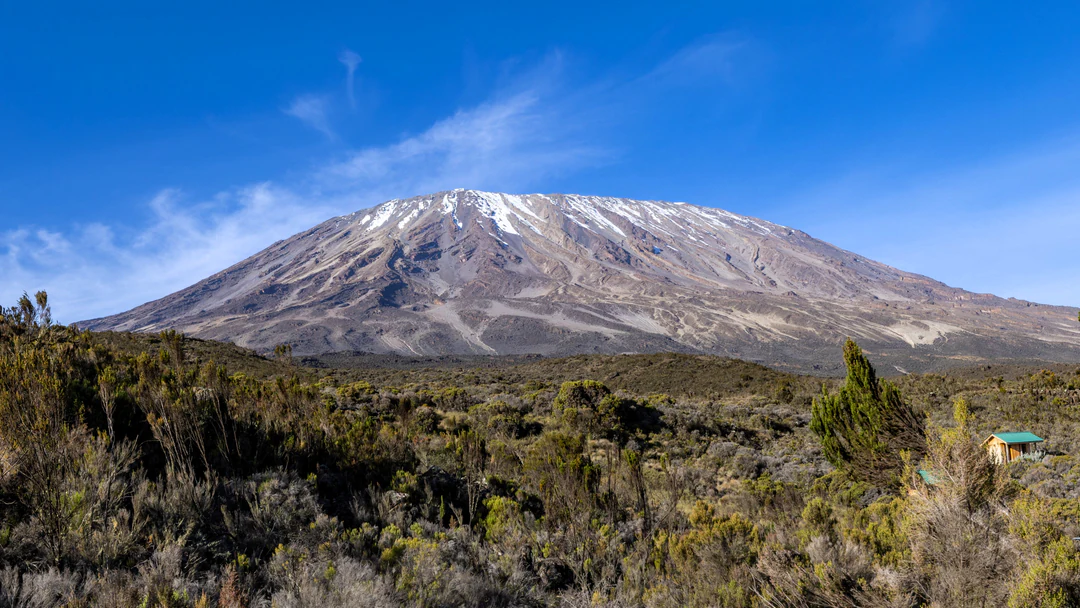
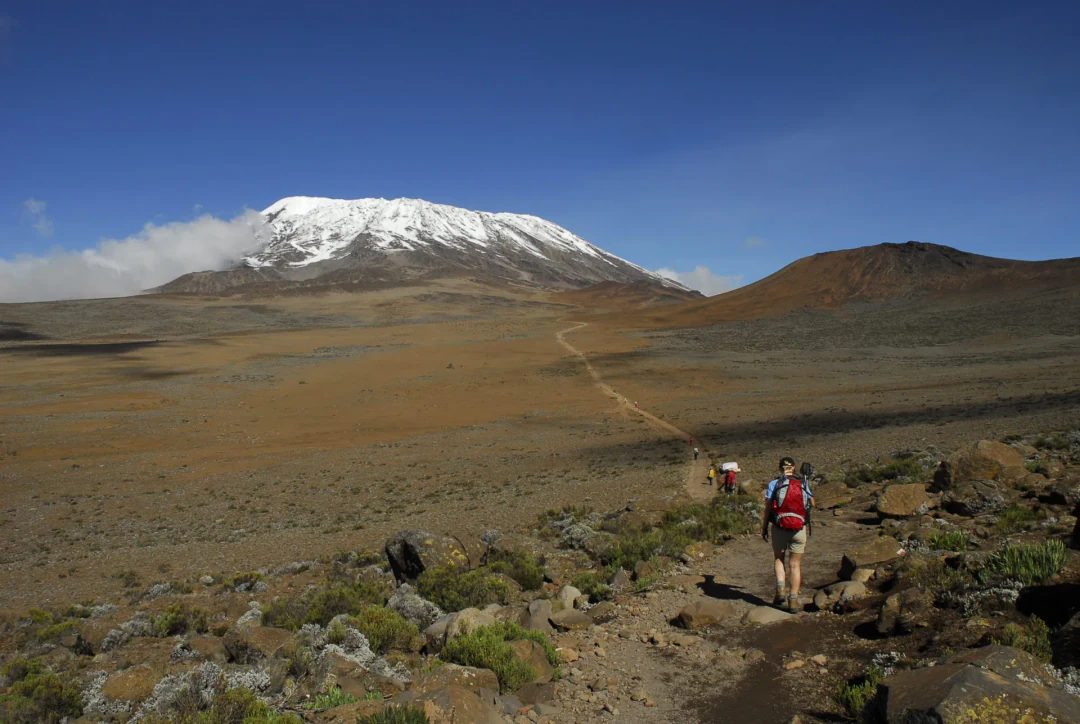
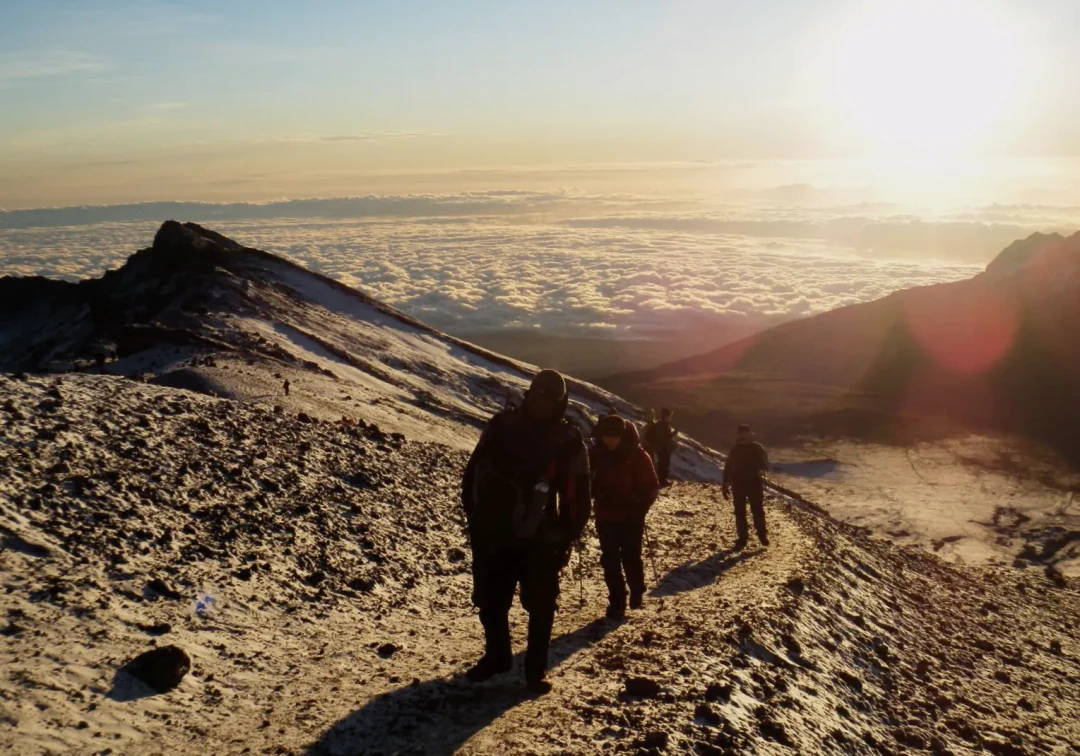
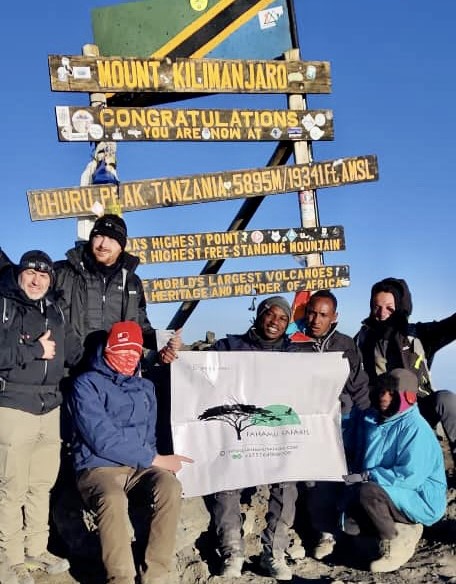
Stand on Uhuru Peak, 5,895 m (19,341 ft), with your own crew and a plan built around you. Our Arusha team runs private climbs of six to eight days on five routes, with airport transfers and hotel nights in Moshi included.

Kilimanjaro Climbing Packages

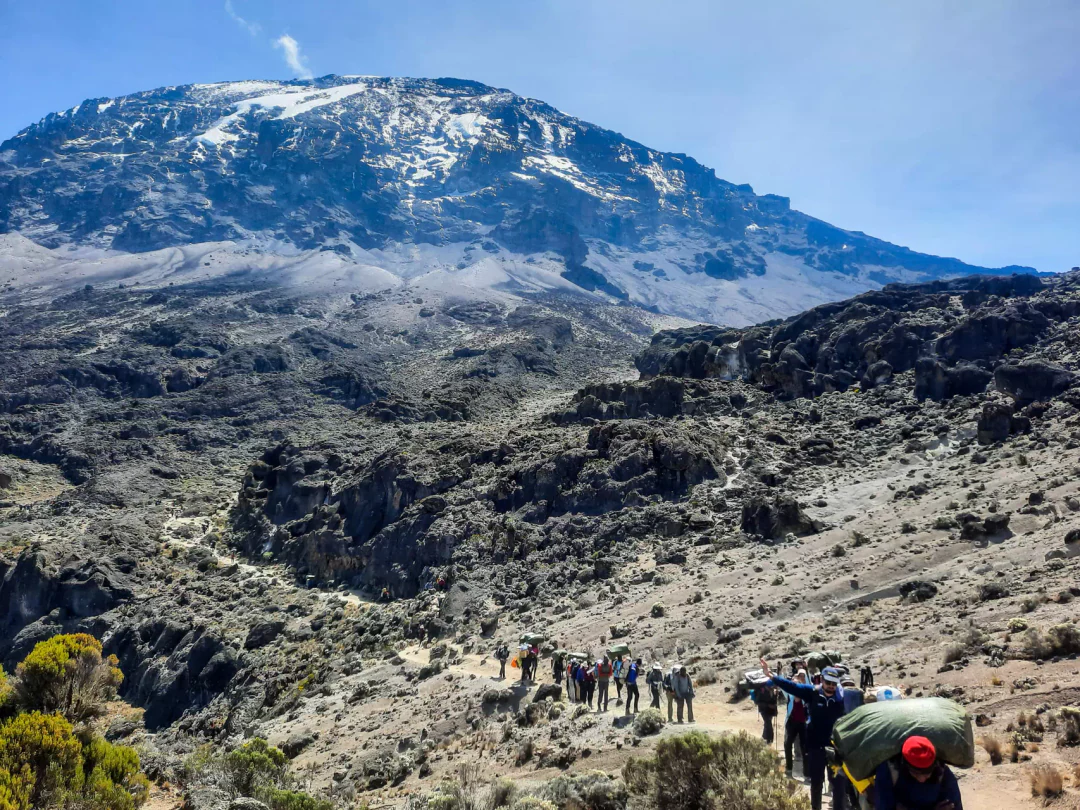
Every package below is a private climb with a full day-by-day itinerary. The 6-day Marangu Route is the only route with mountain huts, the 7-day Machame Route is our most popular climb, the 8-day Lemosho Route is the most gradual, the 8-day Rongai Route climbs the quieter, drier north, and the 7-day Umbwe Route is the steepest.
Short on time? Walk the rainforest on our Kilimanjaro day hike, spend a night at Mandara Hut on the 2-day Kilimanjaro hike, or climb Tanzania's second-highest peak on our 3-day Mount Meru climb.

Travel Time
28
Type

Not Sure Which Route to Choose?

Tell us about your hiking experience, your dates and how many days you have, and we will suggest the right route.

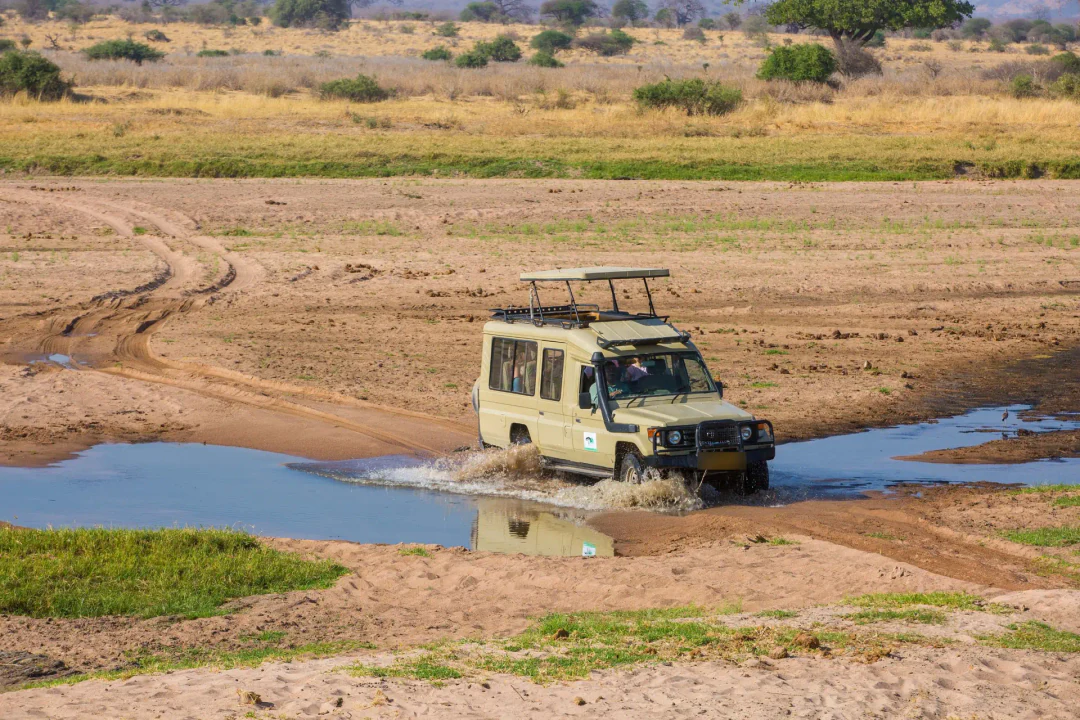
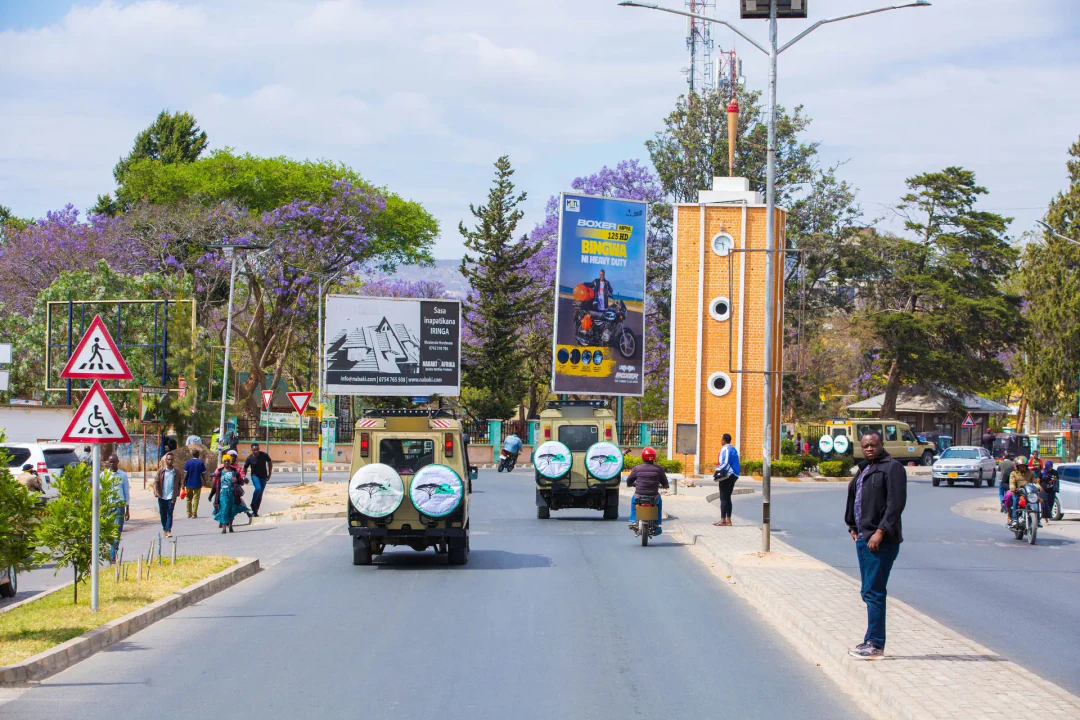
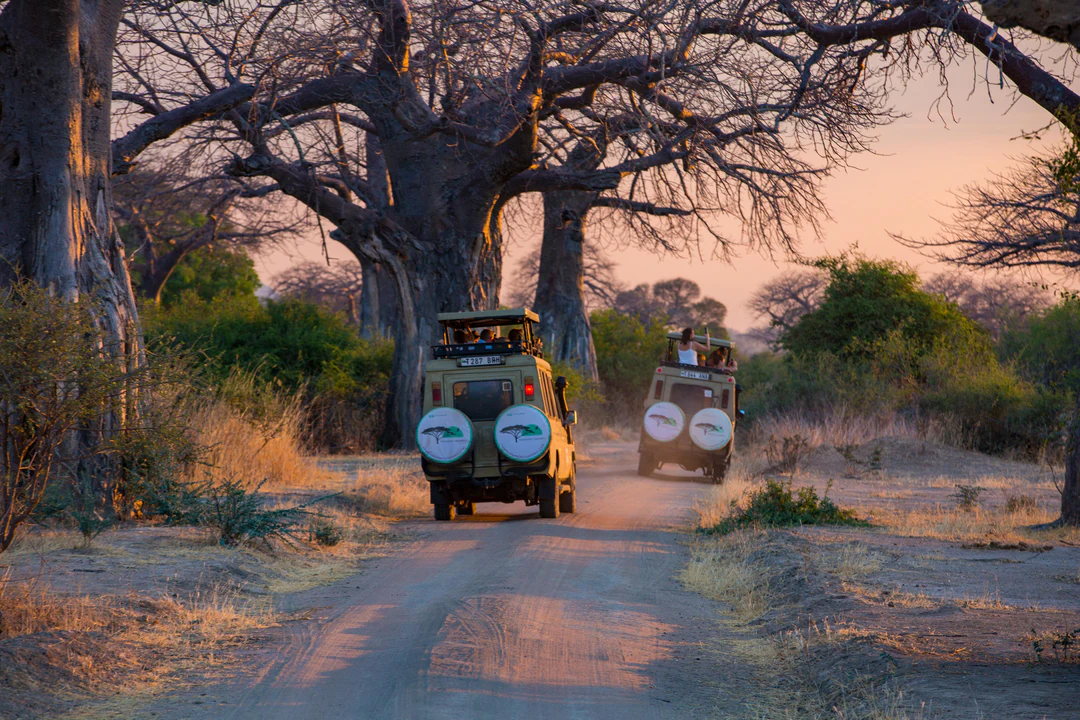
Fahamu Safaris fleet

Why Climb Kilimanjaro With Fahamu Safaris?

You can climb Kilimanjaro without technical skills: it is a long trek, not a rope climb. What decides your summit day is the route, the number of days and the pace. Fahamu Safaris is based in Arusha, a few hours from the mountain, and plans every climb as a private trip, from the Kilimanjaro National Park permits to the hotel night after you come down.

More Days on the Mountain

Altitude, not fitness, is what stops most climbers. That is why every route we run has at least six days on the mountain, with a rest day or a climb-high, sleep-low day built in. The CDC advice on high-altitude travel explains why slower ascents help. If you have the time, the 8-day Lemosho and Rongai climbs are the most gradual.

A Private Crew for Every Climb

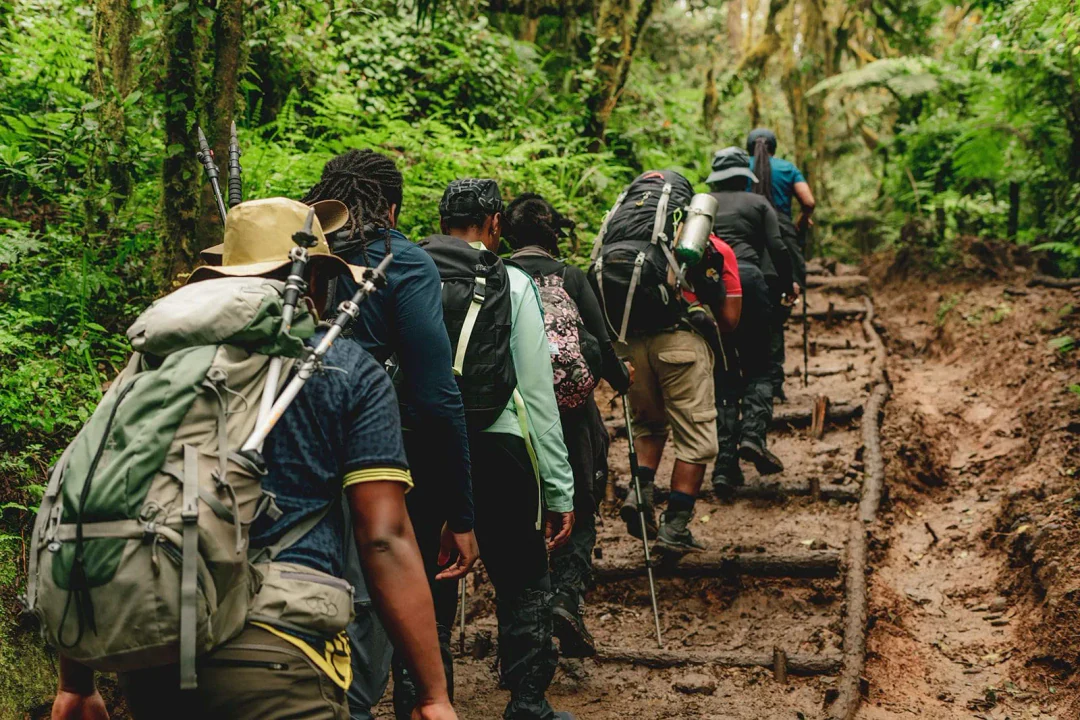
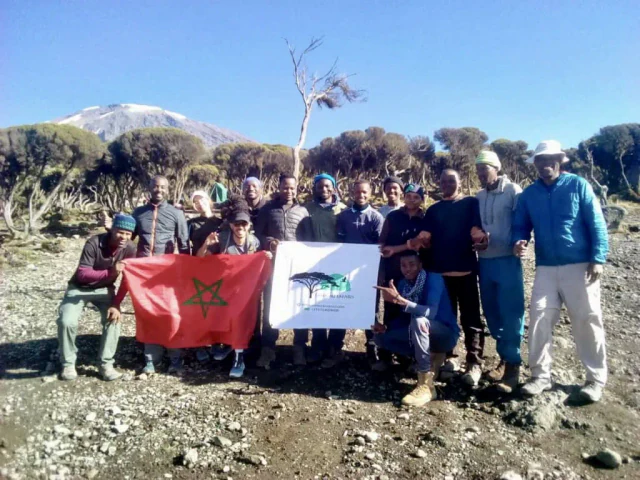
Every climb is private, for one climber or a group of up to six travelling together. You have licensed mountain guides, one for every three climbers, plus your own cook and porters. Your guides set a slow, steady pace, pole pole as we say in Swahili, and stay with you on summit night. You never share your crew with strangers.

Five Routes for Different Climbers

About half of our climbers choose Machame for its scenery and its climb-high, sleep-low day at Lava Tower. Lemosho adds a quiet western start, Marangu suits climbers who prefer huts, Rongai is quiet and drier in the rainy months, and Umbwe is for strong, experienced hikers. If you are unsure, Machame or Lemosho suits most first-time climbers.

More Days on the Mountain
A Private Crew for Every Climb
Safari lodgeTented camp

Where You'll Sleep on Kilimanjaro

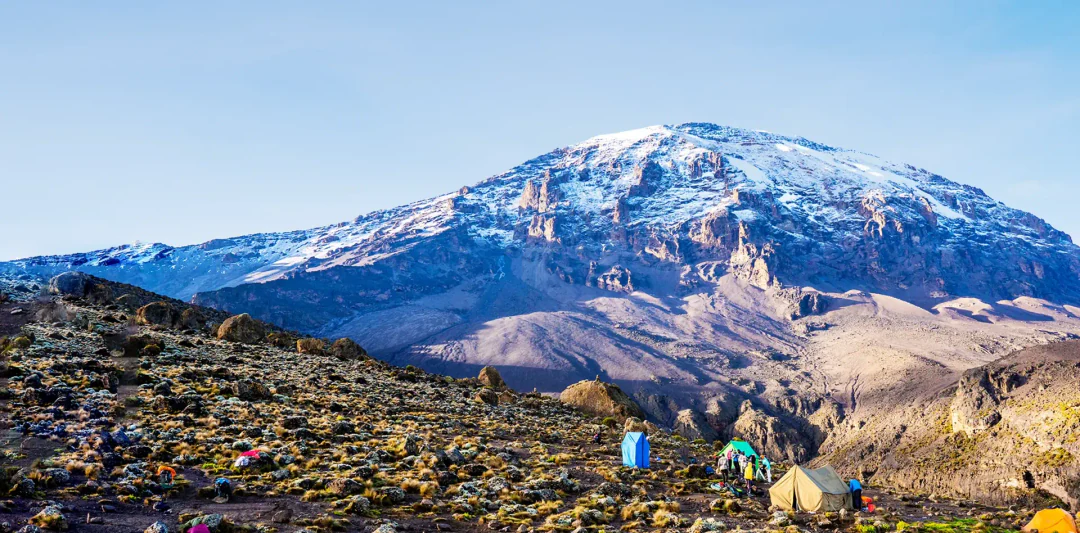
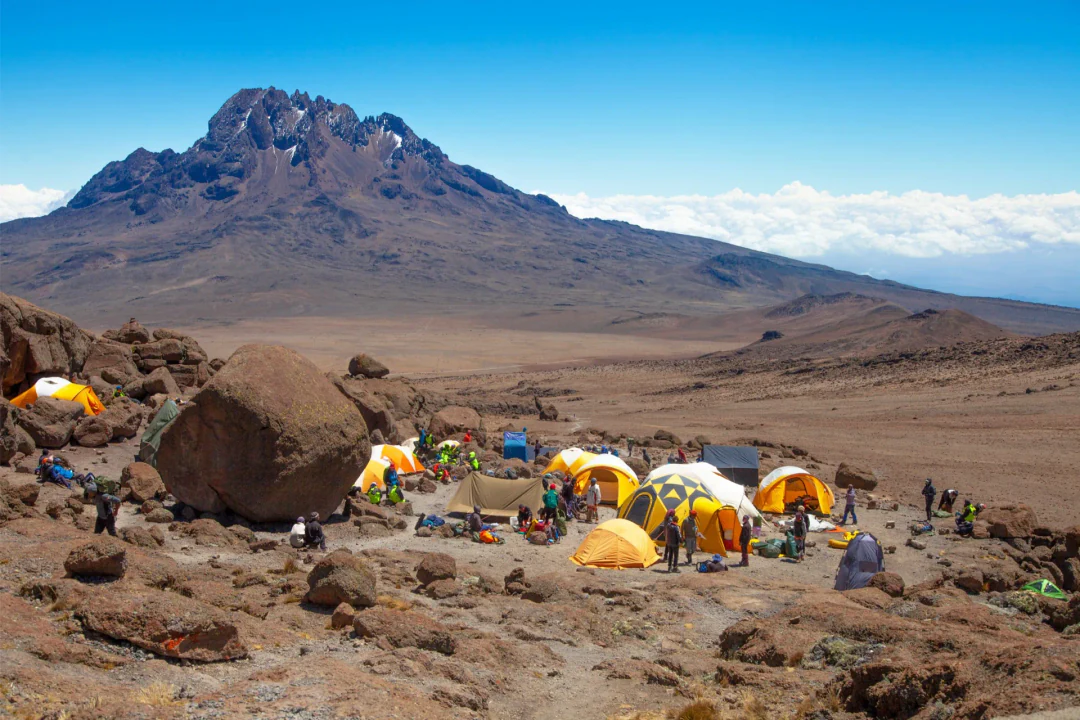
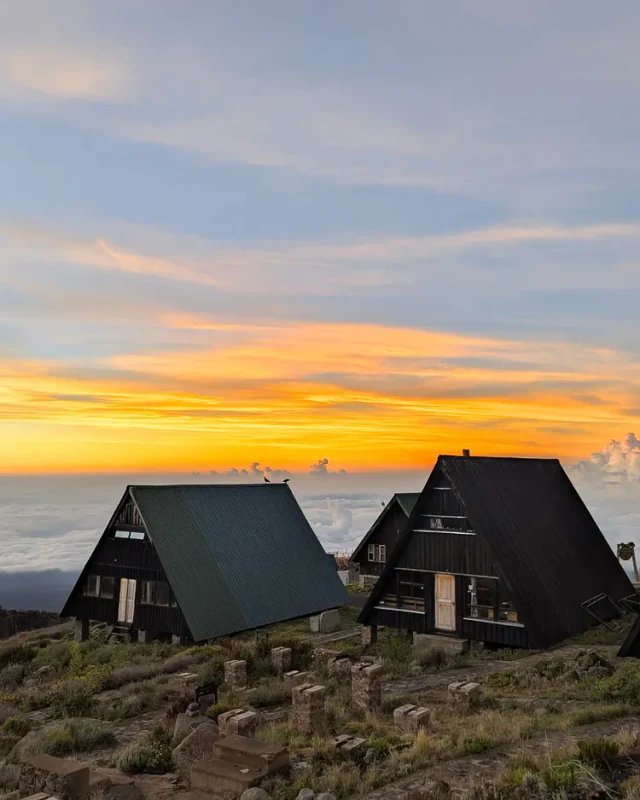
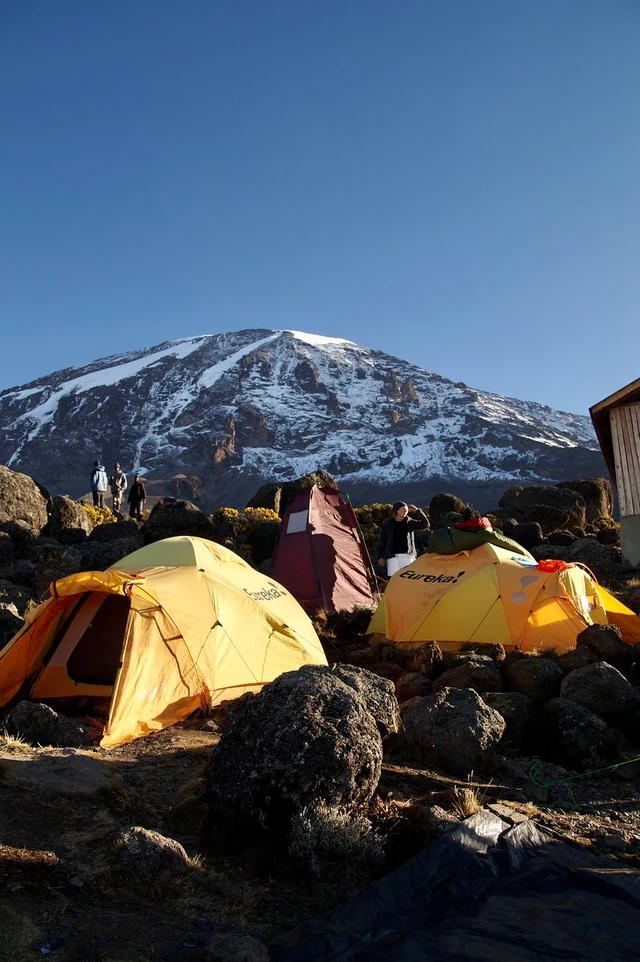
On the Machame, Lemosho, Rongai and Umbwe routes you sleep in tents at the official campsites. On the Marangu Route you stay in shared mountain huts. Your crew carries the equipment, sets up camp before you arrive and cooks every meal, so you can focus on walking and resting.

  • Tents: sleeping tents, a mess tent with a table and chairs, and a private portable toilet on the camping routes
  • Huts: bunk beds with mattresses and pillows on Marangu, with shared toilets (a private toilet on request at extra cost)
  • Meals: hot meals cooked by your own cook, with treated drinking water every day
  • Moshi hotel: a night before and after your climb, with dinner and breakfast

With You From Arrival to Departure

Your climb starts the moment you land, and our team handles the details.

  • Arrival: airport pickup at Kilimanjaro International Airport and transfer to your hotel in Moshi
  • Briefing: a gear check with your lead guide the evening before, and rental of anything you are missing
  • Permits: all park fees, camping or hut fees and rescue fees arranged by our team
  • After the climb: transfer back to Moshi, then home or on to a safari or the beach

Many climbers add a private safari or a few days on Zanzibar after the summit.

Safety on the Mountain

Your guides ask how you feel every day and watch for signs of altitude sickness on the trail and in camp. They carry emergency oxygen and a first aid kit on every climb. If a climber feels worse, the guide leads a safe descent, and rescue fees are part of your park fees. Every climber needs travel insurance that covers trekking up to 6,000 m.

Ready to Climb Kilimanjaro?

Tell us when you want to climb and which route interests you. Our Arusha team will reply with a day-by-day plan, honest advice on the route and a clear quote, with no obligation to book.

Start Planning
What Our Guests

Testimonials

TripAdvisor wordmarkTripAdvisor Travelers' Choice Awards 2025

Tanzania Travel Guide

Helpful ideas before you start planning your safari.

Tanzania Travel Guide

Helpful ideas before you start planning your safari.

Tanzania Weather by Month

Tanzania's weather by month follows the rains. The north and the coast get long rains from mid-March to May and short rains in November and December. The south gets one wet season, roughly November to April. June to October is dry and cooler, and December to March is the hottest stretch. Altitude matters more than the calendar, so pack layers. Tell us your travel month and we'll plan your trip around the weather.

Read More

Best Time to Visit Tanzania

The best time to visit Tanzania for a safari is the dry season, June to October, when animals gather near water and tracks stay firm. January and February suit the calving season in the southern Serengeti and a Zanzibar beach break. April and May are the quietest and cheapest months, but also the wettest. Tell us what you want to see, and we'll pick the month and route for you.

Read More

Is Tanzania Safe

Tanzania is a safe and welcoming country to visit, and about 2.3 million international visitors came in 2025. The only area governments advise against is a strip near the Mozambique border, far from the safari parks, Kilimanjaro and Zanzibar. As in any country, a few simple habits keep your trip smooth: book a licensed operator, take normal city precautions and follow your guide's advice.

Read More

Frequently Asked Questions

Most Kilimanjaro climbs take six to nine days on the mountain. Our climbs run from six days on the Marangu Route to eight days on Lemosho and Rongai, plus a hotel night in Moshi before and after, so the whole trip lasts eight to ten days. Shorter climbs exist, but they give your body less time to adjust to the altitude.

For most first-time climbers, Machame or Lemosho is the best choice: both have varied scenery and a climb-high, sleep-low day, and Lemosho is the more gradual of the two. Choose Marangu if you prefer huts, Rongai for a quiet trail in the rainy months, and Umbwe only if you are a strong, experienced hiker. About half of our climbers choose Machame.

The price depends mainly on the route and the number of days, because park fees are charged for every day on the mountain, and on the size of your group. Our packages include park fees, your private crew, meals on the mountain, airport transfers and two hotel nights in Moshi. Tips for your crew are extra. Each route page shows its package prices.

The driest and most popular months are late December to early March and June to October. The long rains fall from late March to May and the short rains in November, when the trails are wetter and quieter. You can climb all year, and the Rongai and Marangu routes are good choices in the wetter months.

No. Kilimanjaro is a trek, not a technical climb, so you do not need ropes or mountaineering skills. You do need good general fitness to walk for several hours a day, several days in a row. Regular long hikes with some uphill walking in the months before your trip are the best preparation, and our guides set a slow, steady pace.

Yes. Every Fahamu Safaris climb is private, for one climber or a group of up to six people travelling together. You have your own licensed guides, one for every three climbers, plus your own cook and porters. Because the climb is yours, we can adjust the route, the number of days and the pace to suit your group.

Mild headaches, tiredness and a poor appetite are common at altitude and usually ease with rest, water and a slower pace. Your guides ask how you feel every day, and you never go higher while feeling unwell. If your symptoms get worse, they take you down, which the CDC names as the main treatment. We carry emergency oxygen on every climb.

Tipping is optional but encouraged. Fahamu Safaris suggests these amounts per day for the whole group, not per climber: head guide USD 20 to 25, assistant guide USD 15 to 20, cook USD 12 to 15 and USD 8 to 10 for each porter. Tips are handed over in cash at a short ceremony on your last morning on the mountain.

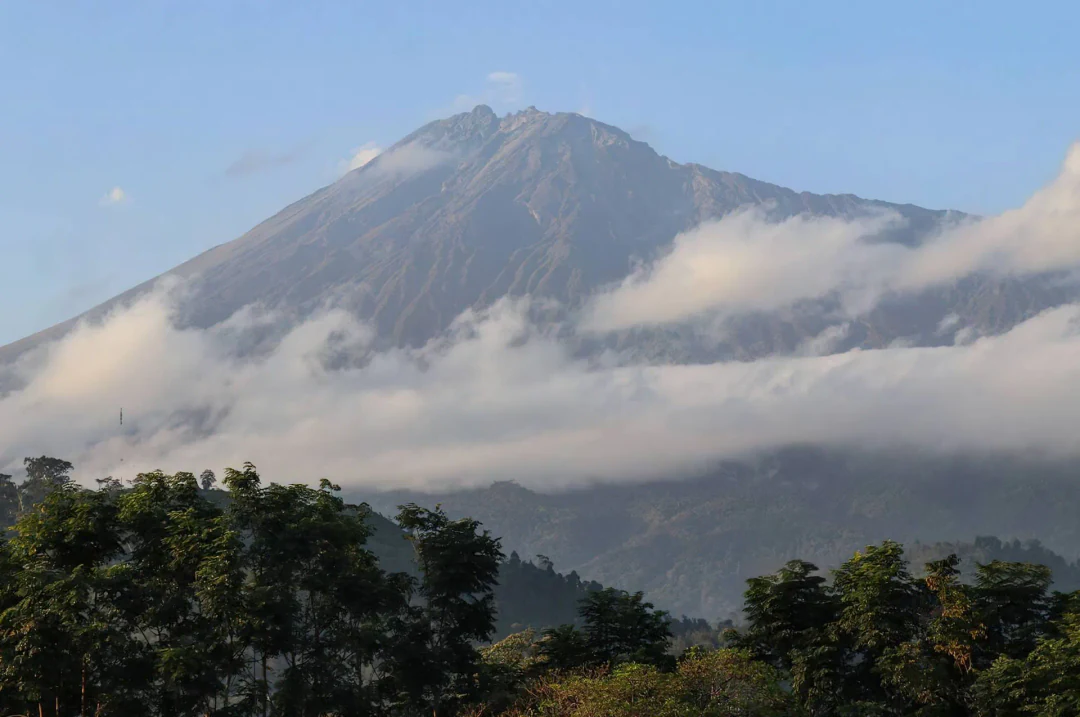
Yes. Our Kilimanjaro day hike takes you through the rainforest to Mandara Hut and back in one day, and the 2-day hike adds a night at the hut and a walk onto the moorland. Neither reaches the summit. For a real summit in three days, Mount Meru, Tanzania's second-highest peak, is a good alternative.

Yes, and many climbers do. After your night in Moshi you can set off on a safari in the northern parks or fly to Zanzibar for a few days on the beach. Our Arusha team plans the whole trip, so browse our safari and Zanzibar holidays or send us your dates.