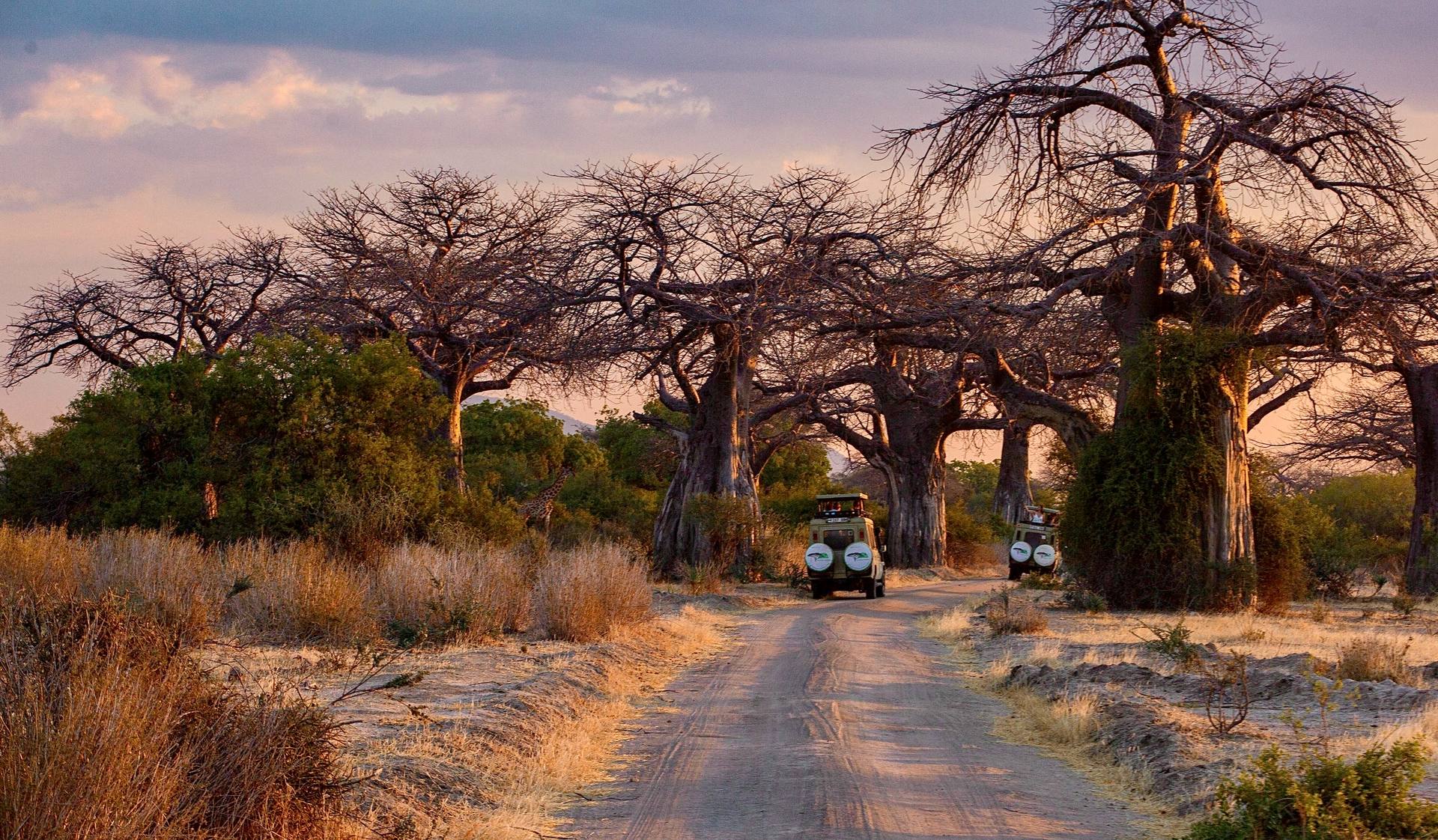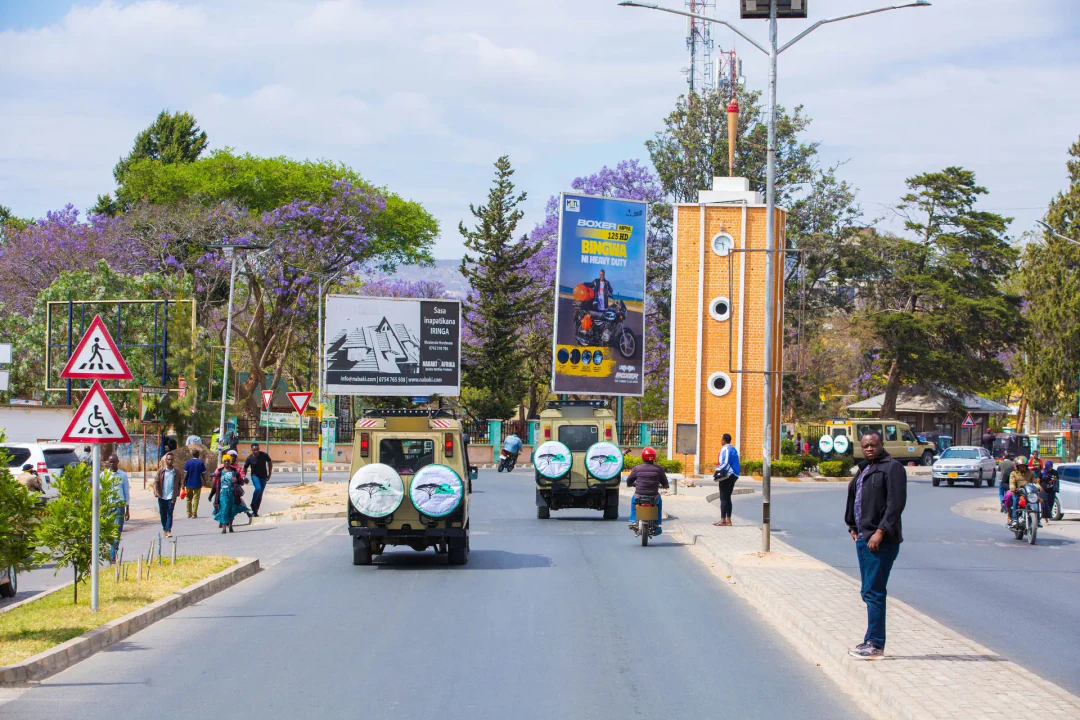
TL;DR: Yes, Tanzania is a safe and welcoming country to visit, and about 2.3 million international visitors came in 2025. The only area governments advise against is a strip near the Mozambique border, far from the safari parks, Kilimanjaro and Zanzibar. As in any country, a few simple habits keep your trip smooth: book a licensed operator, take normal city precautions and follow your guide's advice.
Is Tanzania safe? It's one of the first questions people ask us, and it's a good one to check before you book. The short answer is yes.
This guide explains what the official travel advice says and what it means on a real trip: on safari, in town, on Zanzibar and on the road. You'll also find a quick health update and tips for different kinds of travellers.
We're an Arusha-based team that plans safaris, climbs and beach holidays across Tanzania all year round. Facts that can change carry the date we checked them.
Checked: 1 November 2026. Government advice changes, so always read the latest version before you travel.
Is Tanzania Safe to Visit?
Yes. Tanzania is a safe and welcoming country for most travellers. The only area the UK, US and German governments advise against is near the Mozambique border in the far south, well away from where visitors go. Everywhere else, the advice is the same as for most countries: take normal precautions in cities and avoid driving at night.
The numbers back this up. Tanzania welcomed 2,294,495 international visitors in 2025, 7% more than the year before, according to figures from the Bank of Tanzania.
A word from our team: “I was born and raised in Tanzania and have lived in Kilimanjaro, Iringa, Mwanza, Dar es Salaam and now Arusha. Tanzanians are very welcoming, and we take special care of our visitors because it's part of our culture. I've visited big cities around the world too, and the advice here is the same as there: take normal precautions.” (Fahamu Safaris team member)
On safari, you spend your days in the parks with a professional guide, far from busy streets. Most of the official advice is about cities and night-time travel, and a few everyday habits cover it.
What Do the UK, US and German Governments Say?
Here's a short summary of the official advice. Governments update these pages regularly, so it's worth a quick look before you travel.
The key point for most trips: the UK advises against all but essential travel only within 20 km of the Mozambique border. The northern and southern safari parks, Kilimanjaro and Zanzibar are all far from that area.
The US State Department lowered its advice for Tanzania to Level 2 in October 2026. Germany's Foreign Office advises against non-essential travel only to the south of the Mtwara region.
If you're from the UK, travelling against FCDO advice can affect your travel insurance. A normal safari, Kilimanjaro climb or Zanzibar stay is well outside the advice zone, so typical trips aren't affected.
Is a Safari in Tanzania Safe?
Yes. A safari is one of the safest ways to see Tanzania. You travel with a professional guide who knows the animals and the parks, and you simply follow their lead and the park rules. The UK government's main tip is to book a licensed operator rather than a street tout.
The animal rules are easy: keep your arms and head inside the vehicle near animals, never feed wildlife, and let camp staff walk you to your tent after dark. The UK's safari advice is just as simple: follow the park rules and the rangers' instructions, and book with a reputable company.
Heavy rain can make some park tracks muddy, so timing helps. Our guide to the best time to visit Tanzania shows the driest months.
On a private safari with your own guide, you set the pace, and your guide knows the parks, the roads and the camps. Travelling with children? Have a look at our family safari ideas.
Is Arusha Safe? Cities and Towns Explained
Yes. Arusha is a friendly, easy-going town and the starting point for most northern safaris. As in any busy city, petty theft is the main thing to watch for. Use registered taxis, keep valuables out of sight and take a taxi rather than walking after dark.
Most visitors pass through Arusha or Moshi on the way to the parks or Kilimanjaro, and both are lively, welcoming places. As in many busy cities, bags are sometimes snatched from passing motorbikes, so carry yours on the side away from the road.
Dar es Salaam is Tanzania's biggest city, so big-city habits apply. Use taxis booked by your hotel or operator, and withdraw cash at ATMs inside banks or shopping centres.
Simple city habits:
- Use registered taxis or a driver arranged by your hotel or operator.
- Take a taxi rather than walking after dark.
- Keep phones, cameras and jewellery out of sight in busy places.
- Lock your room and keep your passport and cash in the room safe.
- Want to explore with a local? Book a guided Arusha city tour.
Is Zanzibar Safe?
Yes. Zanzibar is a relaxed and popular holiday island, and Germany's Foreign Office describes it as stable. Use the same common sense you would on any beach holiday: stay in busy areas at night, dress modestly in town and keep an eye on your belongings. As on any holiday island, it's wise to stick to lit, busy places after dark and never leave your drink unattended. The easiest way to enjoy Stone Town's narrow alleys is on a Stone Town walk with a local guide. Away from the beach, cover your shoulders and knees: Zanzibar values modest dress, and the UK notes that fines are possible for clothing seen as inappropriate. Ferries link Dar es Salaam and Zanzibar. Choose a well-known ferry company, and skip any boat that looks overcrowded. For where to stay and what to do on the island, see our Zanzibar beach holidays page. Thinking about other islands too? Our guide to Tanzania's beaches compares Zanzibar, Mafia and Pemba.
Health and Getting Around
Malaria is the main health point to plan for. The US CDC recommends malaria medicine for areas of Tanzania below 1,800 m (5,906 ft), which covers the coast and most safari parks. See a travel doctor before your trip to discuss medicine and vaccines.
Ebola update: Tanzania's Ministry of Health said on 21 October 2026 that there is no Ebola in Tanzania. As a precaution after cases in neighbouring Kenya, all arrivals fill in the Ministry of Health's Afya Msafiri online health form and have a quick temperature check. Fill in the form before you fly, and allow a little extra time on arrival.
On Kilimanjaro, the main thing to prepare for is the altitude. Walk slowly, drink plenty of water, follow your guide's advice and take the acclimatisation days. Read about our Kilimanjaro routes before you choose one.
Long road journeys are best done in daylight, which is also what Germany's Foreign Office advises. Plan your days to arrive before dark, and you'll see more of the country along the way.
Entry rules change from time to time. Since October 2026, most foreign visitors need a mandatory inbound travel insurance from the government, on the mainland as well as on Zanzibar. You can buy it online before you fly or on arrival, and it doesn't replace your own travel insurance. Check our guide to visa and entry rules before you fly.
Tips for Women, LGBTQ+ and Solo Travellers
Many women travel to Tanzania alone or in small groups. Modest clothing is appreciated across the country, and a friendly “hapana, asante” (no, thank you) is the polite way to turn down street sellers.
Same-sex sexual activity is illegal in Tanzania, including on Zanzibar, according to the UK. Discretion is the simple rule: the US advises avoiding public displays of affection.
Solo travellers are very welcome. On a guided trip, someone always knows where you are, and you have local help if plans change. Share your plans with someone at home, and keep your phone charged.
Conclusion: Travel Smart and Enjoy Tanzania
Tanzania is a welcoming country, and millions of visitors enjoy it every year. Keep these five simple habits in mind:
- Take a quick look at the latest advice from your government before you travel.
- Book a licensed operator, not a street tout.
- Take normal city precautions, as you would anywhere.
- Travel between towns in daylight.
- See a travel doctor about malaria and vaccines.
Want a trip planned by people who live here? Plan your trip with our Arusha team, and we'll take care of the details. Karibu Tanzania!