Hotels and Guesthouses in Moshi
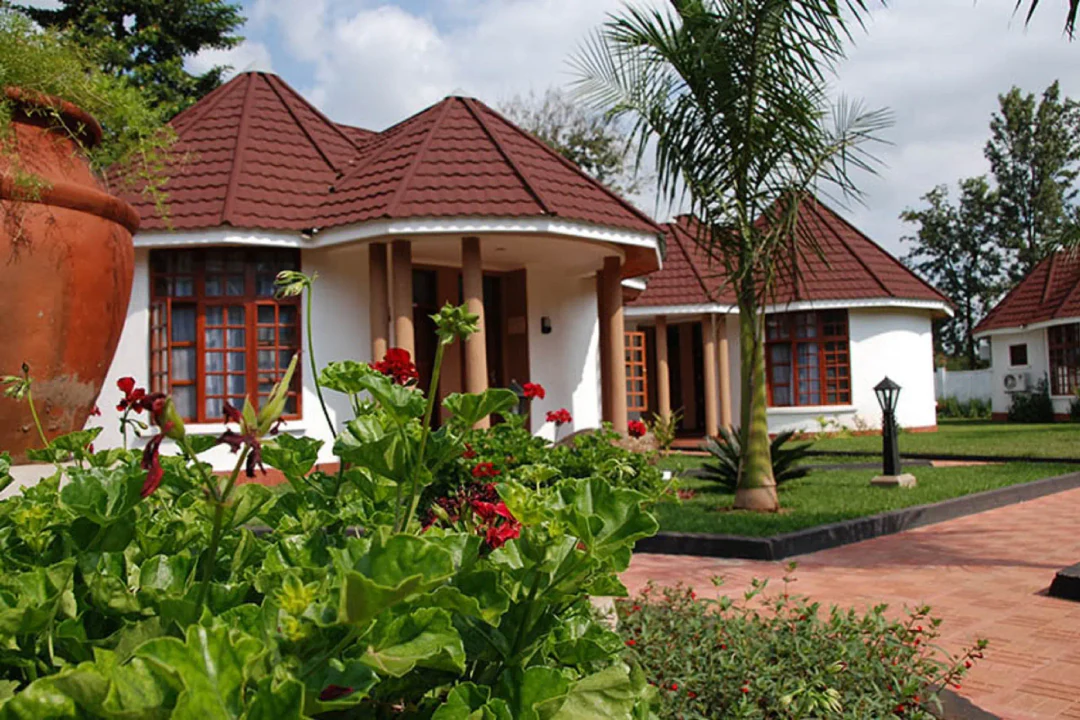
Simple, comfortable hotels and guesthouses in Moshi town, handy for a briefing the night before your climb and a hot shower when you come down.
Moshi town
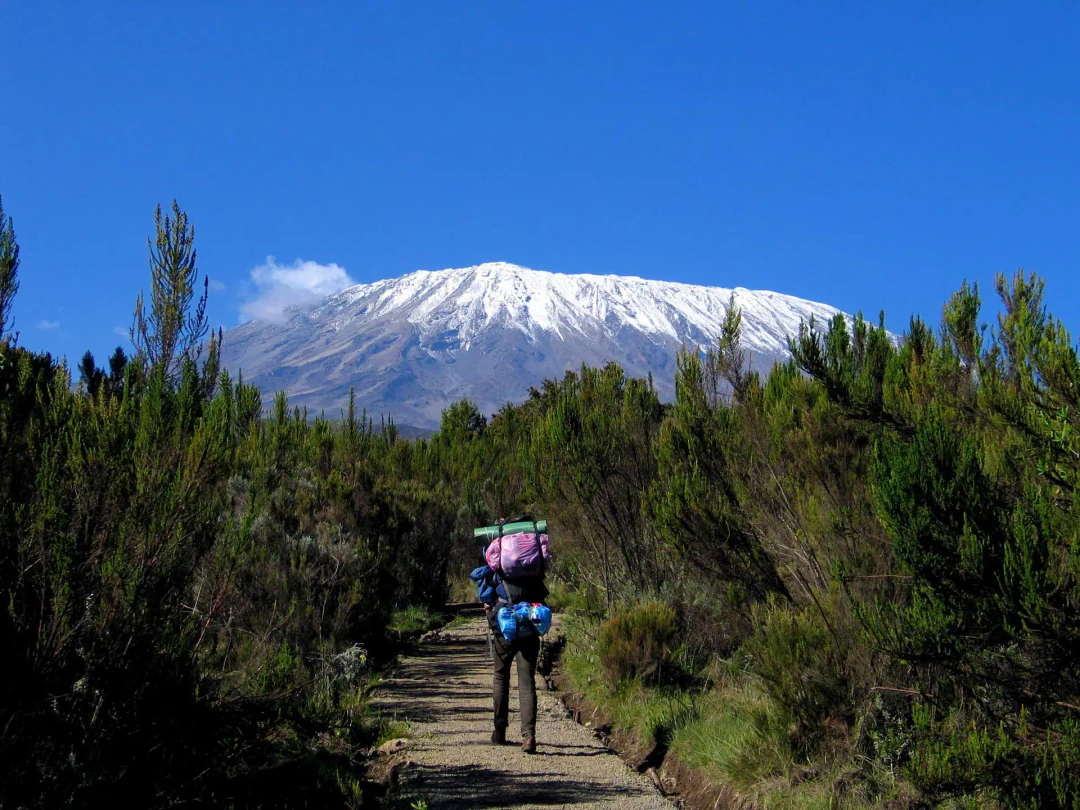
Northern Circuit · Tanzania
1,712 km² of rainforest, moorland, alpine desert and ice around Africa's highest mountain. Kilimanjaro National Park protects the mountain from its rainforest, home to colobus monkeys, up to the glaciers on Kibo's 5,895 m (19,341 ft) summit, and every climb and hike on the mountain starts at one of its gates.
Tripadvisor
Travelers' Choice Awards
Kilimanjaro National Park was gazetted in 1973 to protect Mount Kilimanjaro above its forest line, opened to visitors in 1977 and became a UNESCO World Heritage Site in 1987. In 2005 the surrounding montane forest, once a forest reserve, was added to the park. It is run by Tanzania National Parks (TANAPA) and lies in the Kilimanjaro Region of northern Tanzania, with Moshi as the gateway town.
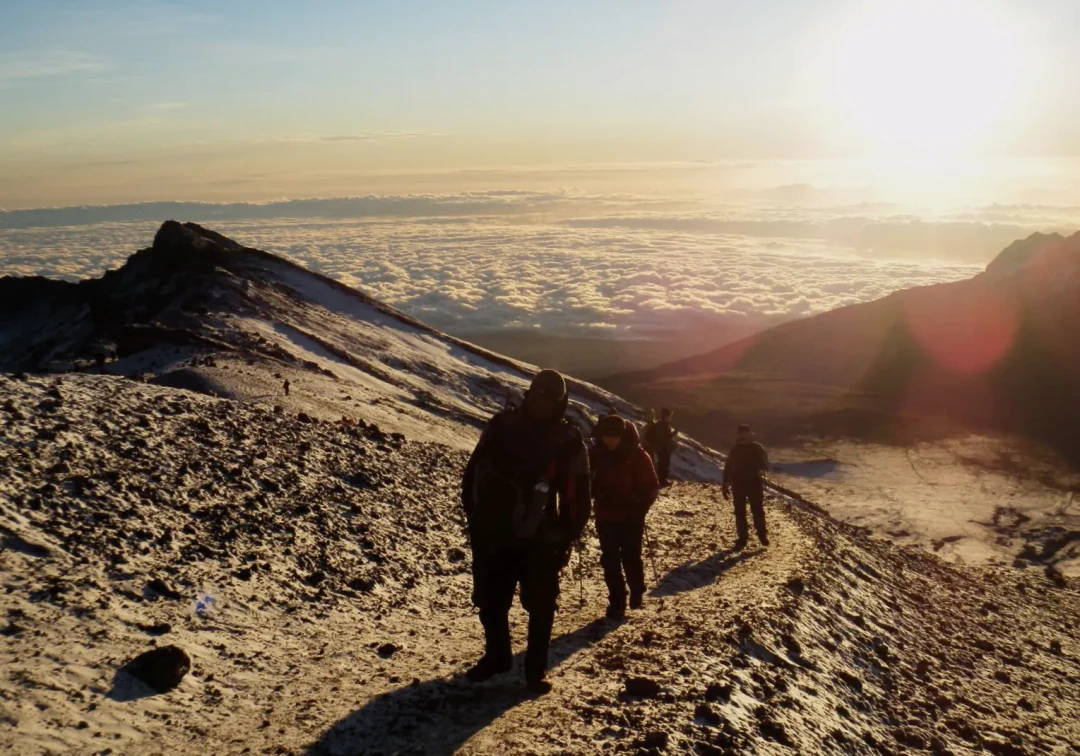
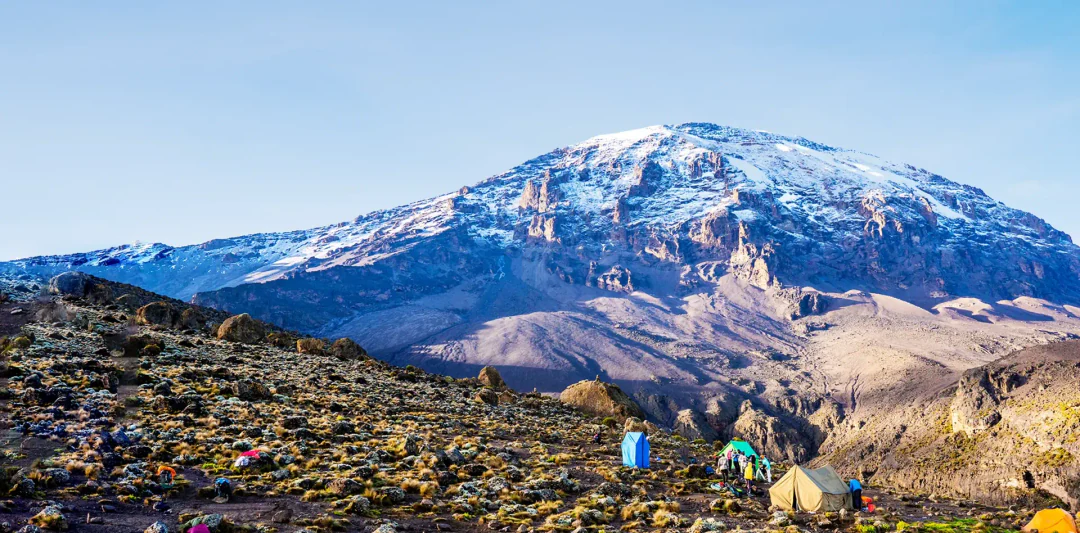
The mountain is made of three volcanic peaks. Kibo, the youngest and highest, rises to Uhuru Peak at 5,895 m (19,341 ft), with glaciers on its crater rim and an inner ash pit around 350 m deep. Jagged Mawenzi reaches 5,149 m (16,893 ft), and Shira, the oldest, collapsed long ago to leave the wide Shira Plateau at about 3,962 m (12,999 ft).
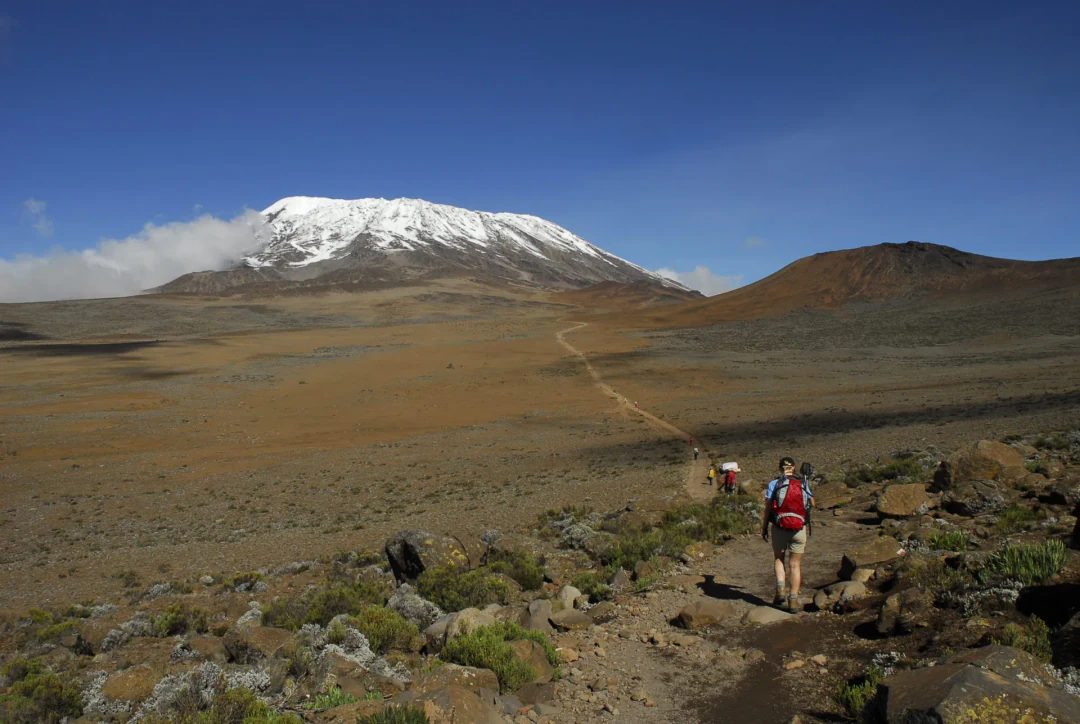
Walking up Kilimanjaro is like walking from the equator to the Arctic. Below the park, farms and Chagga villages cover the lowest slopes. Montane rainforest covers the slopes from about 1,800 m to 2,800 m (5,906 to 9,186 ft). Above it comes heath and moorland, with giant heathers, lobelias and groundsels found nowhere else. Above about 4,000 m (13,123 ft) the land turns to alpine desert of rock, moss and lichen, and finally to the ice and snow of the summit zone.
Most visitors come to climb Kilimanjaro, but you don't have to reach the top to enjoy the park. Day hikes and short treks through the rainforest work well before or after a safari in Arusha National Park and the other northern parks. For more places to combine, browse all our Tanzania destinations.
Kilimanjaro National Park is a walking park: there are no game drives here, and every visit is on foot with a licensed guide. You can climb to the roof of Africa, spend a single day in the rainforest, or explore the green lower slopes outside the park.
Kilimanjaro National Park is open all year, and you can climb or hike in any month. The dry seasons give clearer views and drier trails, while the rains make the paths slippery and bring snow to the summit. For rainfall and temperatures by month across Tanzania, see our Tanzania weather guide.
Whatever the month, nights on the upper mountain are cold: summit temperatures sit around freezing and can fall to about -25 °C (-13 °F) with wind chill. Our guide to the best time to visit Tanzania shows how a climb fits with safari and beach seasons.
Whatever your dates, we plan your climb or hike around the best window. →
Simple, comfortable hotels and guesthouses in Moshi town, handy for a briefing the night before your climb and a hot shower when you come down.
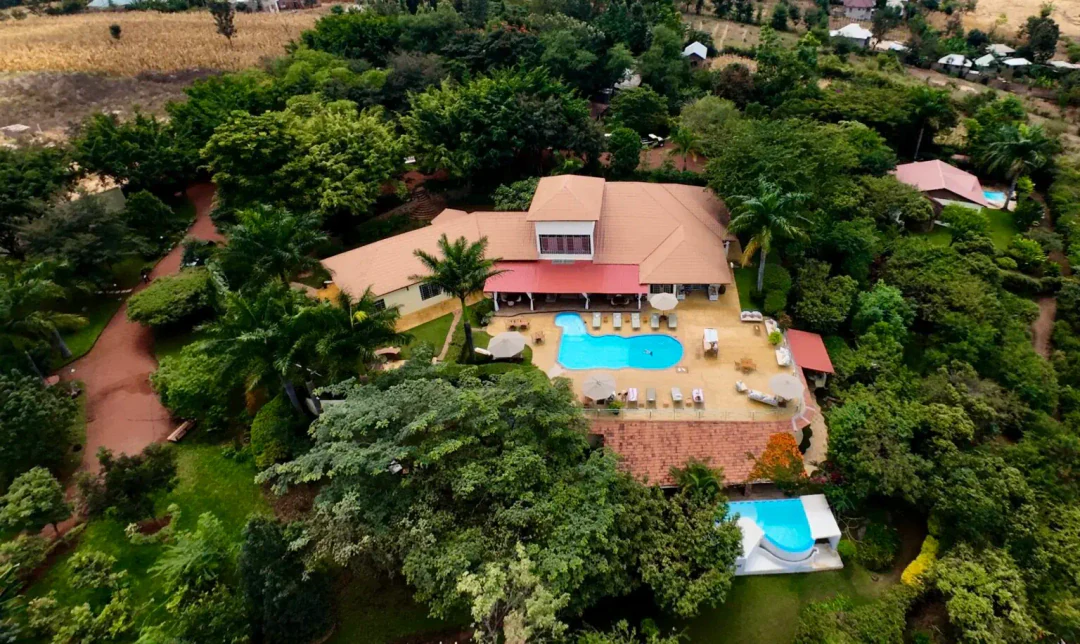
Comfortable lodges in the green villages around Marangu and Machame, close to the gates, with gardens and views up the mountain on clear days.
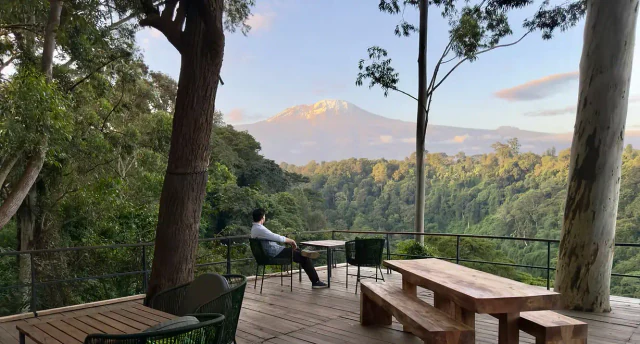
Stylish lodges and estates in the foothills, with fine food, spa treatments and views of Kibo. A comfortable place to rest before a climb or celebrate after the summit.
Every climb we run is private, for groups of one to six, with one guide for every three climbers. Tell us your dates and how much time you have, and our team in Arusha will match you with the right route.