

6 Days Marangu Route

PRIVATE CLIMB | MOUNTAIN HUTS · RAINFOREST · ZEBRA ROCKS · THE SADDLE · UHURU PEAK

Climb Kilimanjaro via the Marangu Route in 6 Days

Duration
6 Days (8 days total)
Group Size
1 - 6 People
Activity
Trekking

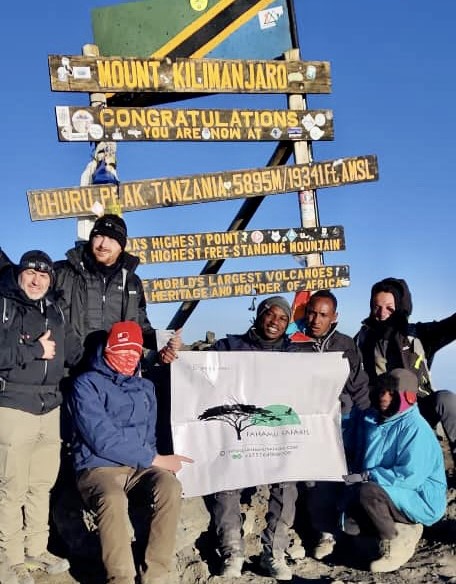
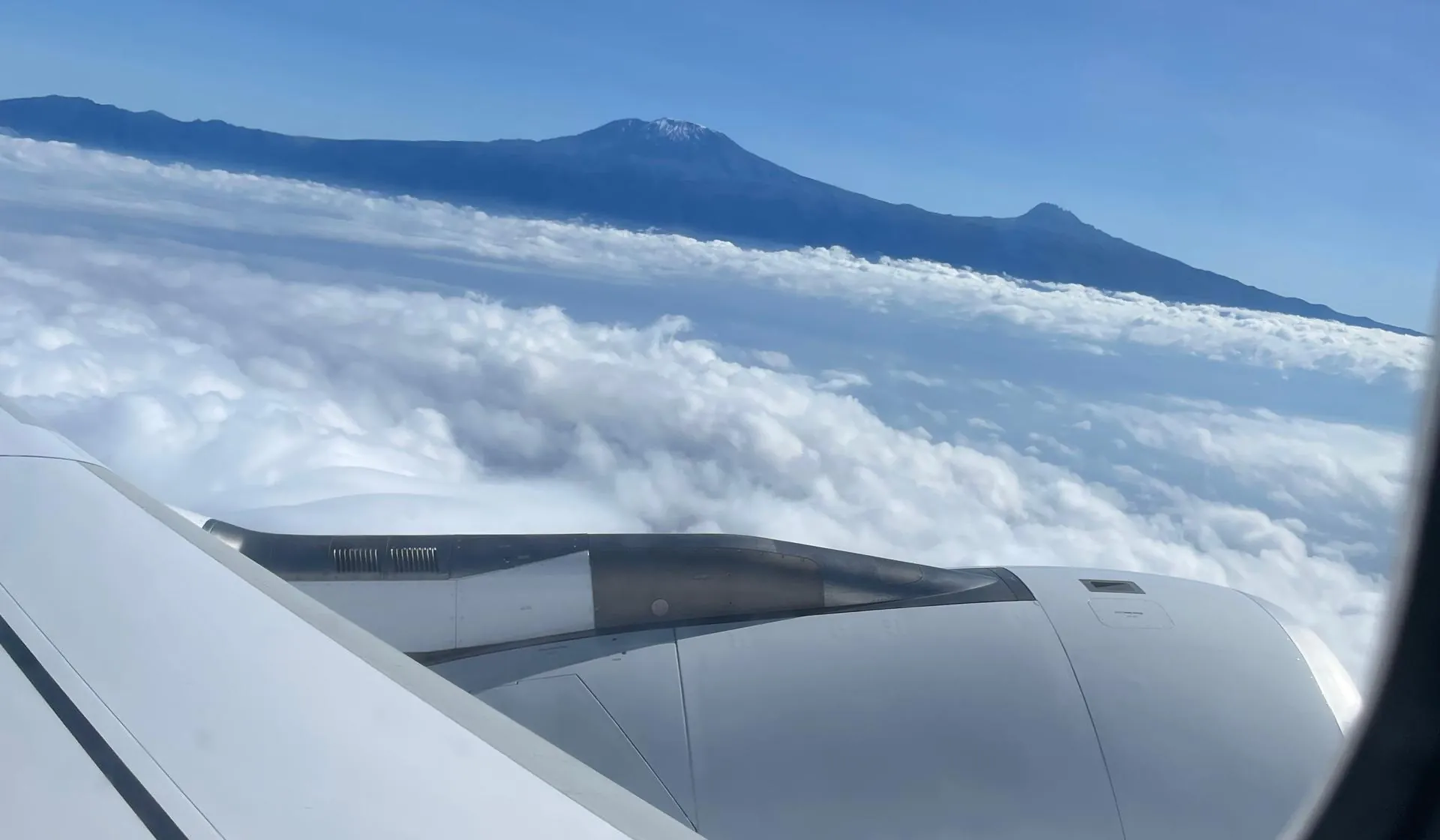
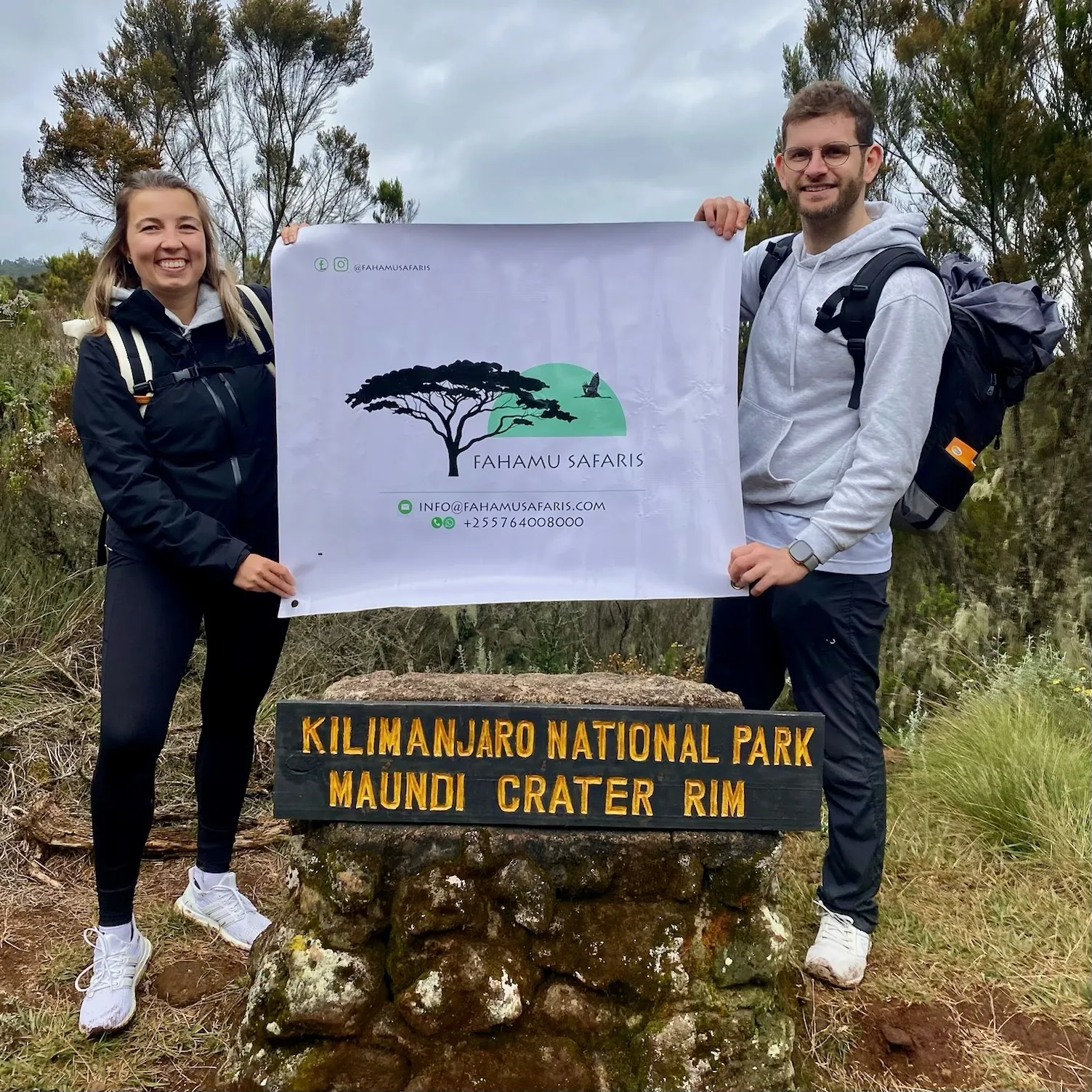
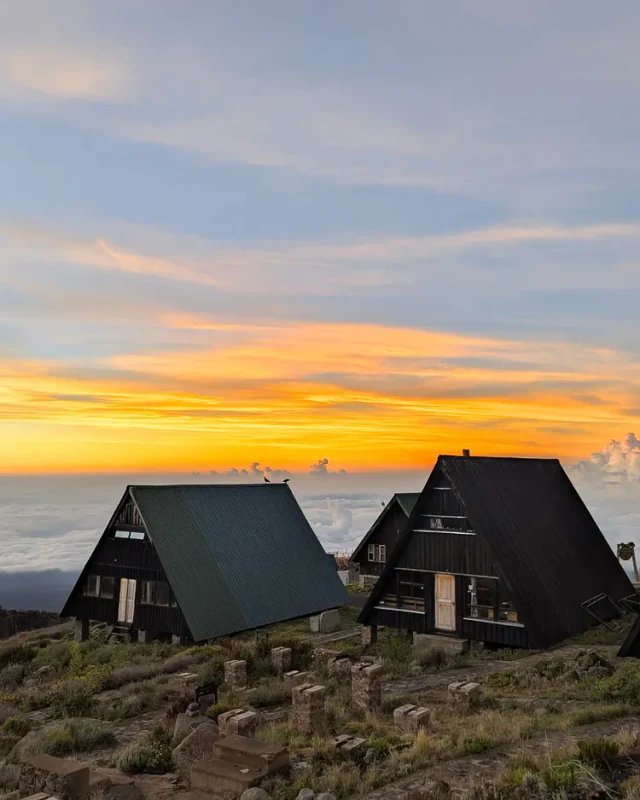
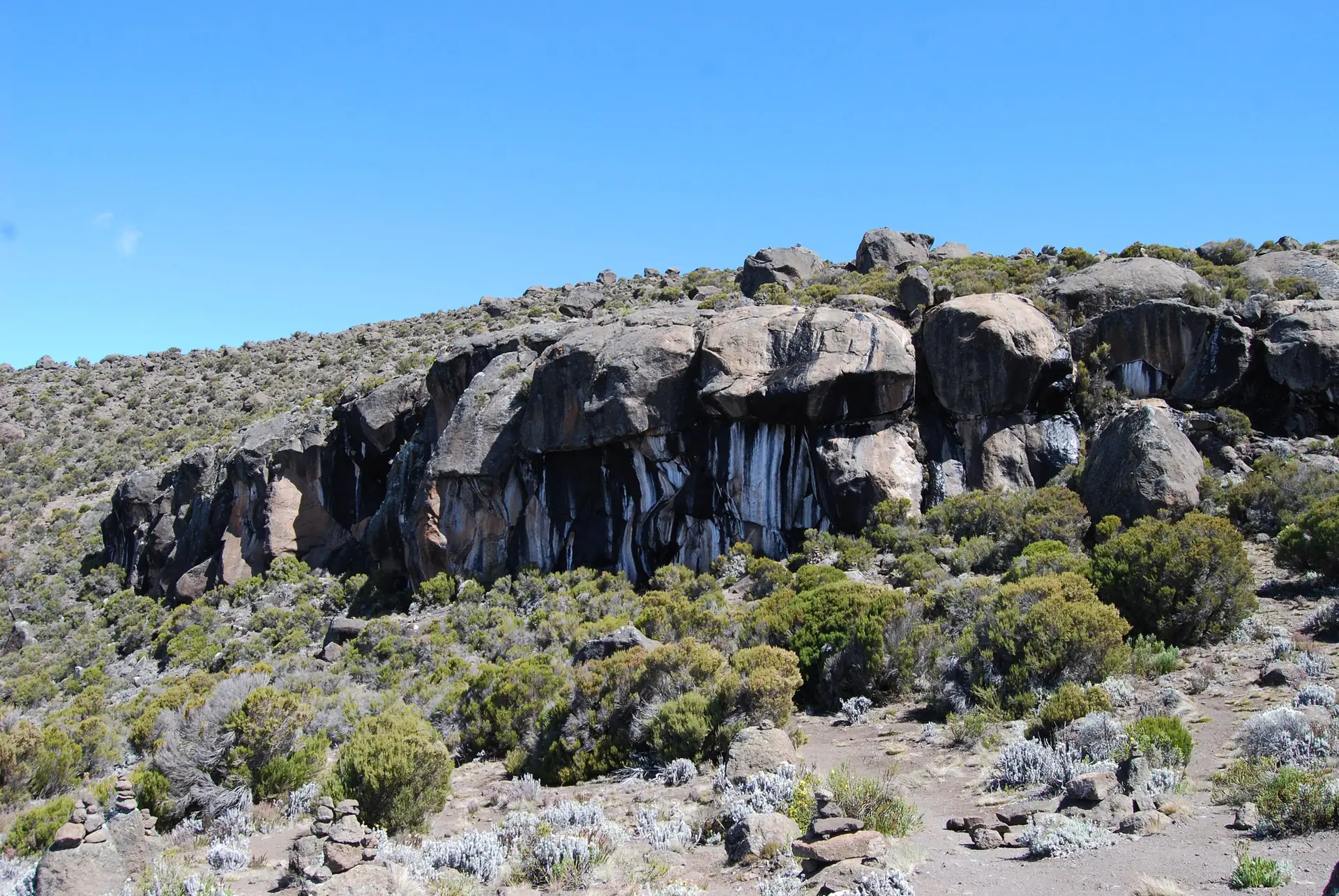
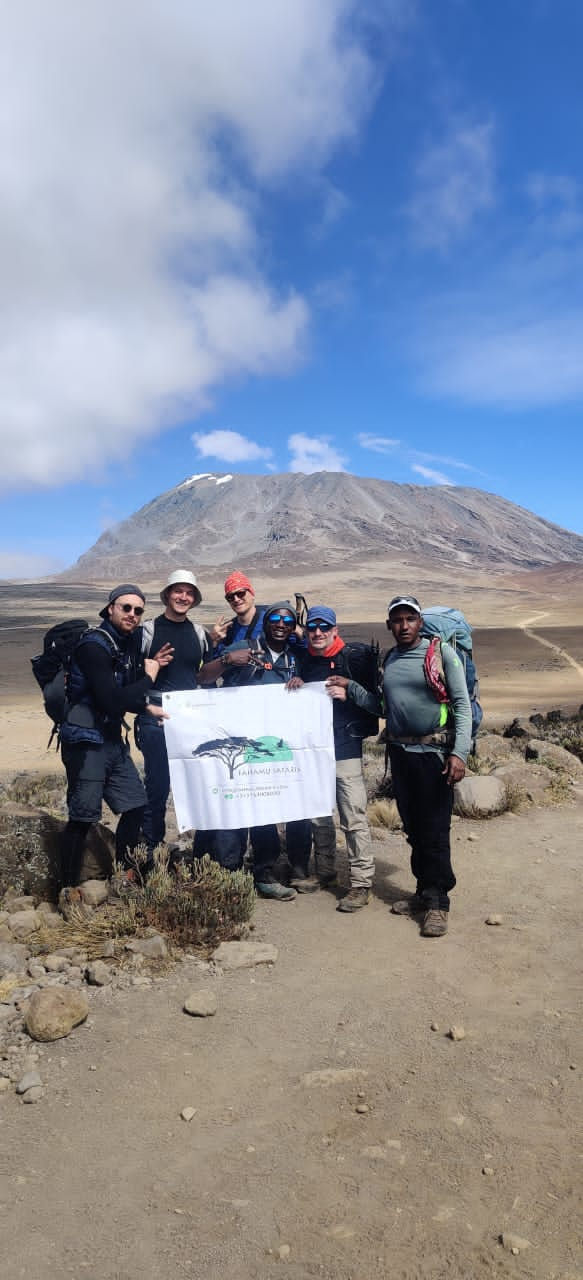
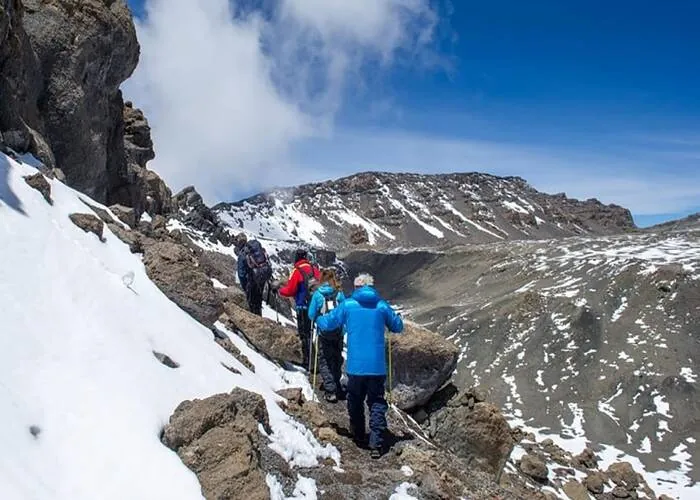
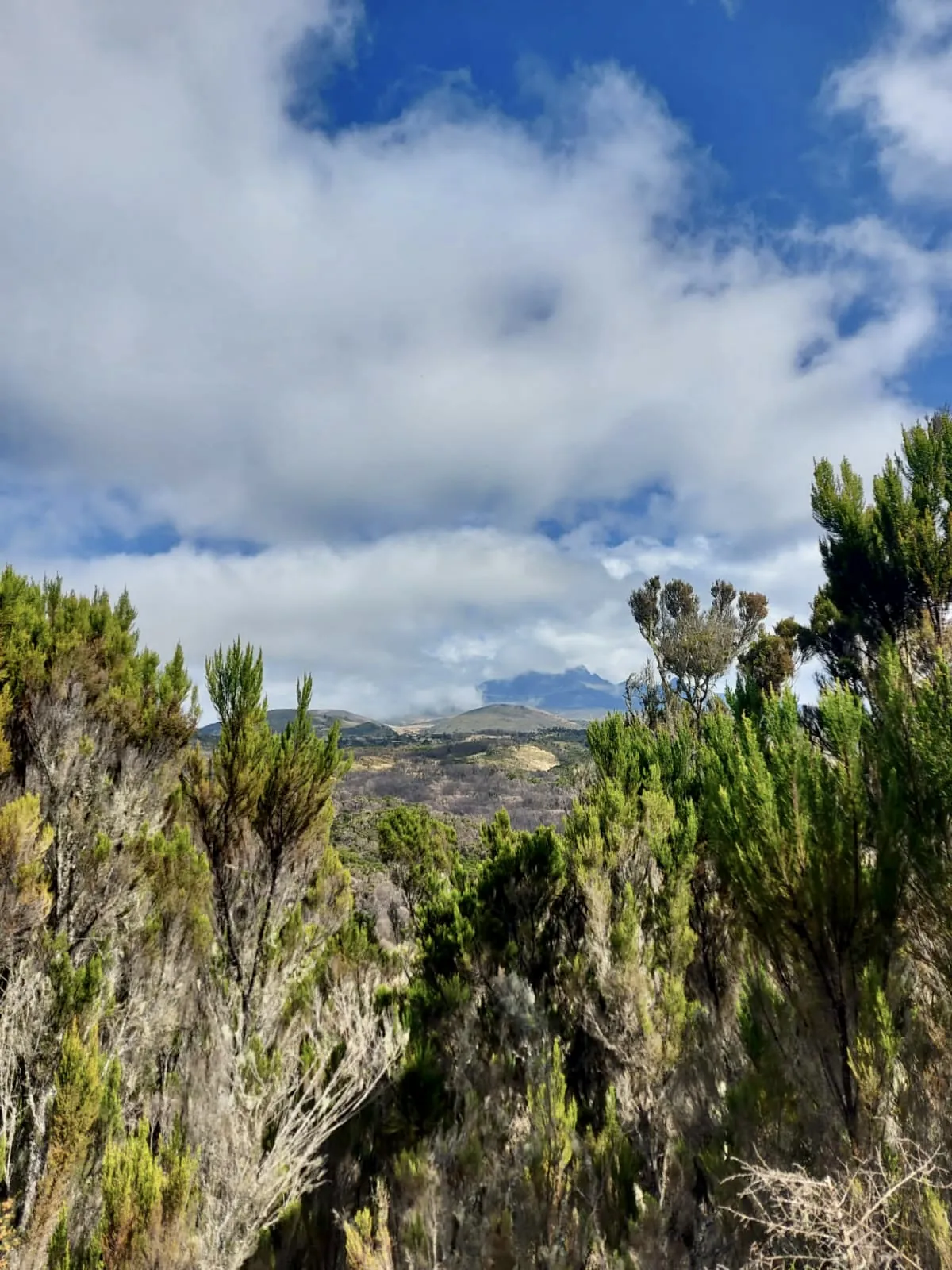
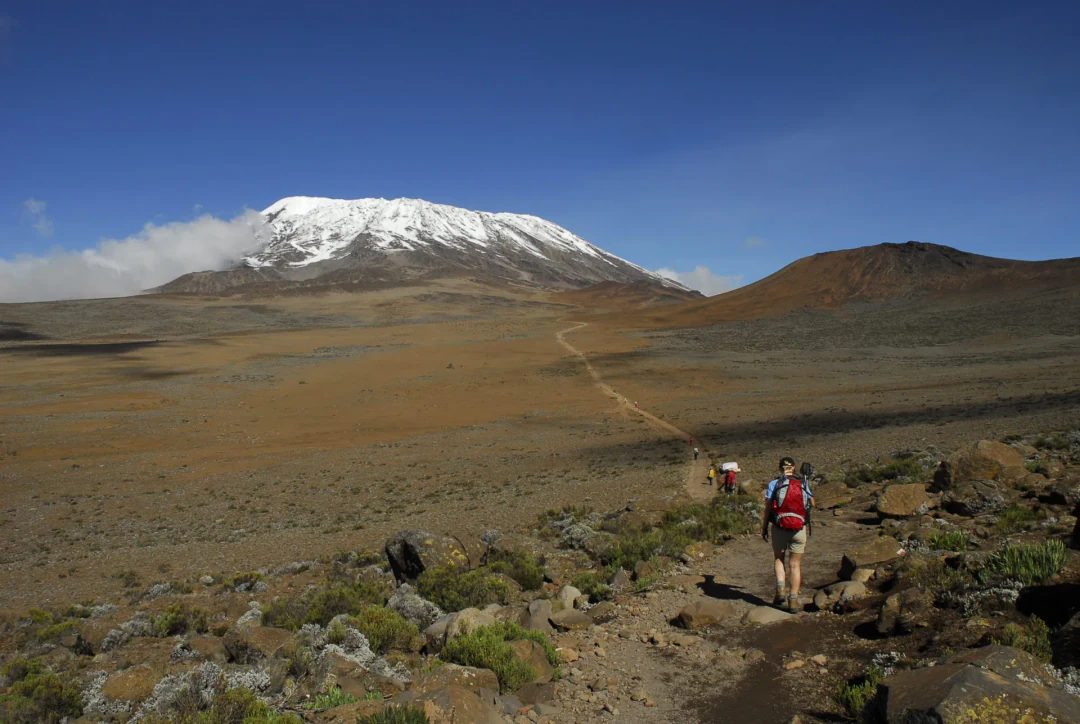
The Marangu Route is the classic trail up Kilimanjaro and the only one where you sleep in mountain huts instead of tents. It climbs from the southeast through rainforest and moorland, crosses the wide alpine Saddle between Mawenzi and Kibo, and reaches the crater rim at Gilman's Point before the final walk to Uhuru Peak, 5,895 m (19,341 ft), the highest point in Africa. You come down the same way, staying at Horombo Hut on the descent. Many people climb Marangu in five days, but we run it over six. The extra day at Horombo Hut, with a walk up to Zebra Rocks and back, gives your body time to adapt before the long climb to Kibo Hut and summit night. Your climb is private, and airport transfers plus a hotel night in Moshi before and after the trek are included. Prefer camping and more varied scenery? Compare all our Kilimanjaro routes.

Summary

  • Day 1: Arrival at Kilimanjaro International Airport | Moshi
  • Day 2: Marangu Gate | Mandara Hut
  • Day 3: Mandara Hut | Horombo Hut
  • Day 4: Acclimatization Day | Zebra Rocks | Horombo Hut
  • Day 5: Horombo Hut | The Saddle | Kibo Hut
  • Day 6: Summit Day: Gilman's Point | Uhuru Peak | Horombo Hut
  • Day 7: Horombo Hut | Marangu Gate | Moshi
  • Day 8: Departure or Safari Extension
Starting from
X USD
Request Now
What Our Guests

Testimonials

TripAdvisor wordmarkTripAdvisor Travelers' Choice Awards 2025

Itinerary

8 DAYS / 7 NIGHTS
  • DAY 1
    Arrival at Kilimanjaro International Airport | Moshi
  • DAY 2
    Marangu Gate | Mandara Hut
  • DAY 3
    Mandara Hut | Horombo Hut
  • DAY 4
    Acclimatization Day | Zebra Rocks | Horombo Hut
  • DAY 5
    Horombo Hut | The Saddle | Kibo Hut
  • DAY 6
    Summit Day: Gilman's Point | Uhuru Peak | Horombo Hut
  • DAY 7
    Horombo Hut | Marangu Gate | Moshi
  • DAY 8
    Departure or Safari Extension
itinerary background

Itinerary

8 DAYS / 7 NIGHTS

itinerary background
DAY 1

Arrival at Kilimanjaro International Airport | Moshi

DAY 2

Marangu Gate | Mandara Hut

DAY 3

Mandara Hut | Horombo Hut

DAY 4

Acclimatization Day | Zebra Rocks | Horombo Hut

DAY 5

Horombo Hut | The Saddle | Kibo Hut

DAY 6

Summit Day: Gilman's Point | Uhuru Peak | Horombo Hut

DAY 7

Horombo Hut | Marangu Gate | Moshi

DAY 8

Departure or Safari Extension

Tailor your own Tour

Let us customise your unforgettable Tanzania Safari and secure your spot on this exciting experience.

Packages

2 PEOPLE
2550$
Per Person
4 PEOPLE
2180$
Per Person
6 PEOPLE
2040$
Per Person
  • Prices above are per person in US Dollars
  • A reduced rate applies for children aged 2 to 15

Safaris and Tanzania Tours

Here are some other packages we think you might like

Safaris and Tanzania Tours

Here are some other packages we think you might like

FROM 2040 USD

7 Days Tarangire, Manyara, Serengeti and Ngorongoro

Discover the best of northern Tanzania on this 7-day safari adventure. Explore Tarangire’s elephant herds, Lake Manyara’s tree-climbing lions, the endless plains of Serengeti teeming with wildlife, and the iconic Ngorongoro Crater. Enjoy guided game drives in the language of your choice, comfortable or economic lodges, and unforgettable encounters with Africa’s Big Five. This comprehensive safari is perfect for wildlife enthusiasts seeking a full Tanzanian safari experience.

EXPLORE TRIP
FROM 1840 USD

6 Days Tarangire, Serengeti and Ngorongoro

Discover the best of Tanzania on a 6-day private lodge safari through Tarangire, Serengeti, and Ngorongoro Crater. Travel in a private 4x4 safari vehicle with an expert guide and enjoy handpicked lodges offering comfort and stunning views. This journey takes you from the elephant herds of Tarangire National Park to the endless plains of the Serengeti, before descending into the world-famous Ngorongoro Crater, a UNESCO World Heritage Site. Along the way, you'll witness lions, elephants, giraffes, cheetahs, and if lucky, the Great Migration. It is perfect for couples, families, or small groups seeking an authentic safari.

EXPLORE TRIP
FROM 2930 USD

9 Days Safari with The Great Migration

Start on this 9 Days Safari with The Great Migration journey and witness one of nature’s most spectacular events with the massive movement of wildebeest, zebras, and gazelles across the Serengeti plains. This unforgettable Tanzania safari adventure takes you through Tarangire, Manyara, Serengeti, and Ngorongoro Crater, offering incredible wildlife encounters, breathtaking landscapes, and peaceful lodges. Experience game drives in prime migration areas, guided by expert safari guides who ensure you capture every thrilling moment. Whether you’re a wildlife enthusiast or a first-time traveller to Africa, this tour guarantees a front-row seat to the wonders of the Great Migration in Tanzania.

EXPLORE TRIP
FROM 1350 USD

4 Days Mikumi and Udzungwa (Incl Flight)

Experience the best of southern Tanzania on this 4-day safari adventure. Start your trip from Zanzibar, taking a ferry to Dar then start driving to explore Mikumi National Park’s open plains filled with elephants, lions, and giraffes, then hike the lush Udzungwa Mountains to stunning waterfalls and rare primates. This safari combines thrilling wildlife encounters with scenic rainforest exploration for a truly unforgettable Tanzania experience.

EXPLORE TRIP
FROM 1150 USD

4 Days Short Tanzania Safari

Visiting two of the country’s most iconic destinations, Tarangire National Park and the Ngorongoro Crater. Perfect for travelers with limited time, this compact safari offers an incredible wildlife experience, from the elephant herds and ancient baobabs of Tarangire to the breathtaking scenery and dense wildlife of Ngorongoro, a UNESCO World Heritage Site. Enjoy comfortable lodges, expert-guided game drives, and unforgettable encounters with Africa’s Big Five. This short Tanzania safari is ideal for those seeking an authentic yet time-efficient adventure.

EXPLORE TRIP
FROM 1930 USD

10 Days Safari-Mikumi, Udzungwa and Ruaha

Go on a 10-day southern Tanzania safari adventure through Mikumi, Udzungwa, and Ruaha National Parks. Discover diverse landscapes thought the southern parks, from Mikumi’s vast plains to Udzungwa’s rainforest waterfalls and Ruaha’s untouched wilderness teeming with elephants, lions, and leopards. This itinerary combines thrilling game drives, scenic hikes, and authentic lodges for an unforgettable Southern Tanzania safari experience.

EXPLORE TRIP

Your Travel Guide

Your go-to resource for Tanzania travel: our guides include safari tips, national park insights, packing lists, best travel seasons, and cultural notes to help you prepare like a pro.

Best Time To Visit Tanzania

The best time to visit Tanzania is during the dry season from June to October, when the weather is sunny, wildlife is easy to spot, and the Great Migration takes place in the Serengeti. For those who love lush landscapes and fewer crowds, the green season from November to March offers beautiful scenery and great bird-watching. Each season brings a unique safari experience across Tanzania's national parks and beaches.

Visa to Tanzania

Most travelers visiting Tanzania require a tourist visa, which can easily be obtained online through the official Tanzania e-Visa portal or upon arrival at major airports such as Kilimanjaro International Airport or Julius Nyerere International Airport in Dar es Salaam. A single-entry visa allows visitors to stay up to 90 days. Ensure your passport is valid for at least six months beyond your travel date. Always apply early to make your Tanzania safari or Zanzibar holiday hassle-free.

Tanzania Safari Costs

The cost of a Tanzania safari depends on the type of experience you're looking for. On average, expect to spend between $250 and $2,500 per person per day, which typically includes park fees, accommodation, meals, and transportation. Prices vary based on the season, trip length, and destinations such as Serengeti, Ngorongoro Crater, or Tarangire National Park. Or if you choose a luxury lodge, mid-range camp, or adventurous budget camping safari.

Combine Safari and Zanzibar

Yes, you can seamlessly combine a wildlife safari in Tanzania's national parks like Serengeti and Ngorongoro with the Zanzibar white sand beach time. With a quick flight from either Arusha City or Dar es Salaam, Zanzibar is an easily accessible paradise from mainland Tanzania. Let us structure a seamless adventure and beach relaxation holiday.

Packing for a Safari

It is recommended to pack the lightweight neutral-coloured clothing, comfortable shoes, a hat, and warm layers for early mornings and evenings plus beachwear for Zanzibar if it follows your safari. Other items such as passport, cash and sunglasses are important for your holiday.

Which Animals will I see?

In Tanzania, you can see a wide variety of wildlife, including the Big Five (lion, leopard, elephant, buffalo, and rhino), large herds of wildebeest and zebra, giraffes, cheetahs, hippos, and many other animals and over 1,000 bird species. The Serengeti and Ngorongoro Crater are famous for the Great Migration and excellent sightings of all the Big Five, while Tarangire National Park is known for its large elephant herds and Lake Manyara for flamingos and tree-climbing lions.

WHY CHOOSE US

Fahamu

Noun, [fa·ha·mu] /fa'hamu/

To know deeply — not only with the mind, but through lived experience

  • True Local Knowledge

    We offer more than tours — we share the deep, personal knowledge of a land we call home.

  • Purposeful Travel

    From contributing to local economies to preserving Tanzania's natural beauty, our operations are rooted in responsibility.

  • Expertise That Guides You

    Our team is always available to assist, answer questions, and solve any unexpected situation.

  • Innovation Through Understanding

    Our knowledge inspires us to innovate — designing immersive, ever-evolving ways to explore Tanzania.

Frequently Asked Questions

Marangu has the gentlest gradient of the main routes for most of the way, and sleeping in huts makes the nights more comfortable, which is why it is nicknamed the "Coca-Cola Route". It is not an easy climb, though. Because many people do it quickly, it gives less time to acclimatize than longer routes, and summit night from Kibo Hut is steep and long. With the extra day at Horombo and good preparation, it is a very achievable route for fit first-time climbers.

Altitude is the biggest challenge on Kilimanjaro. A study of climbers on the Marangu Route, published in Wilderness & Environmental Medicine, found that most developed acute mountain sickness and concluded that climbers need a more gradual ascent. The CDC and the Wilderness Medical Society also advise building extra acclimatization time into high-altitude climbs. Our 6-day itinerary adds a second night at Horombo Hut, with a walk up to Zebra Rocks, so your body has more time to adjust before Kibo Hut and summit night.

Marangu is the only Kilimanjaro route with hut accommodation. Mandara and Kibo huts have about 60 bunk beds each, and Horombo has about 120, in shared rooms with mattresses and pillows, so you need to bring or rent a sleeping bag. Each hut site has a dining hall. Mandara and Horombo have running water and flushing toilets, while Kibo Hut is more basic. A private portable toilet can be arranged on request at extra cost. Because hut space is limited, booking early helps in the busy dry seasons.

Over six days you walk roughly 77 km, including the acclimatization walk to Zebra Rocks. You go up and come down on the same trail, from Marangu Gate at 1,843 m (6,046 ft) to Uhuru Peak at 5,895 m (19,341 ft), a gain of just over 4,000 m. The longest day is summit day, at about 22 km.

It is one of the better choices when rain is likely, because you sleep and eat indoors and can dry your gear in the huts. The driest months on Kilimanjaro are late December to early March and June to October, while the long rains fall from late March to May and the short rains in November. In the wet months the forest section can be muddy, so waterproofs and gaiters are worth packing.

It is the only route with huts, and the only one where you go up and down the same trail. Camping routes such as the 7 days Machame Route and the 8 days Lemosho Route cross more varied landscapes and include a climb-high, sleep-low day, while the 8 days Rongai Route starts on the quieter northern side and comes down on the Marangu trail. Marangu suits climbers who prefer a roof over their head and a steady, direct ascent.

Mild headaches, tiredness and poor appetite are common and often ease with rest, water and a slow pace. Your guides check on you throughout the day and measure your oxygen saturation and pulse with a pulse oximeter daily. If symptoms worsen, they take you down, which is the safest treatment. We carry emergency oxygen and a first aid kit, and rescue fees are included in your park fees. Your travel insurance should cover trekking up to 6,000 m.

Tipping is optional but encouraged, and it matters a great deal to your crew. Suggested amounts are per day for the whole group, not per climber: head guide 20-25 USD, assistant guide 15-20 USD, cook 12-15 USD and 8-10 USD per porter. Tips are handed over at a short ceremony on your last morning, at Horombo Hut, in US dollars or Tanzanian shillings. Our Kilimanjaro tipping guide has more detail.

Yes. If you only have a day, our Kilimanjaro day hike follows the start of the Marangu Route through the rainforest from Marangu Gate, with no overnight stay. It is a good taste of the mountain for travellers who are not planning a full climb, or for family members who are not joining the summit.

Yes. After your night in Moshi you can head straight into the northern parks on safari or fly to Zanzibar for some rest by the sea, and many climbers do both. Take a look at our safari and Zanzibar holidays or send us your dates and we will plan the full trip.

Your Travel Guide

Your go-to resource for Tanzania travel: our guides include safari tips, national park insights, packing lists, best travel seasons, and cultural notes to help you prepare like a pro.