Northern Circuit · Tanzania

Tarangire National Park

2,850 km² of baobab country two hours from Arusha, where the Tarangire River draws some of the largest elephant herds in northern Tanzania every dry season. Quieter than the Serengeti, more ancient-looking than anywhere else on the circuit, and the natural first stop on a northern Tanzania safari.

Tripadvisor

Travelers' Choice Awards

Best timeJune to October, when wildlife gathers at the river
Size2,850 km², Northern Circuit
Getting thereAbout 2 hr (120 km) by road from Arusha
Known forElephants, baobabs, birdlife

Tarangire: Baobabs, a River and the Elephants That Follow It

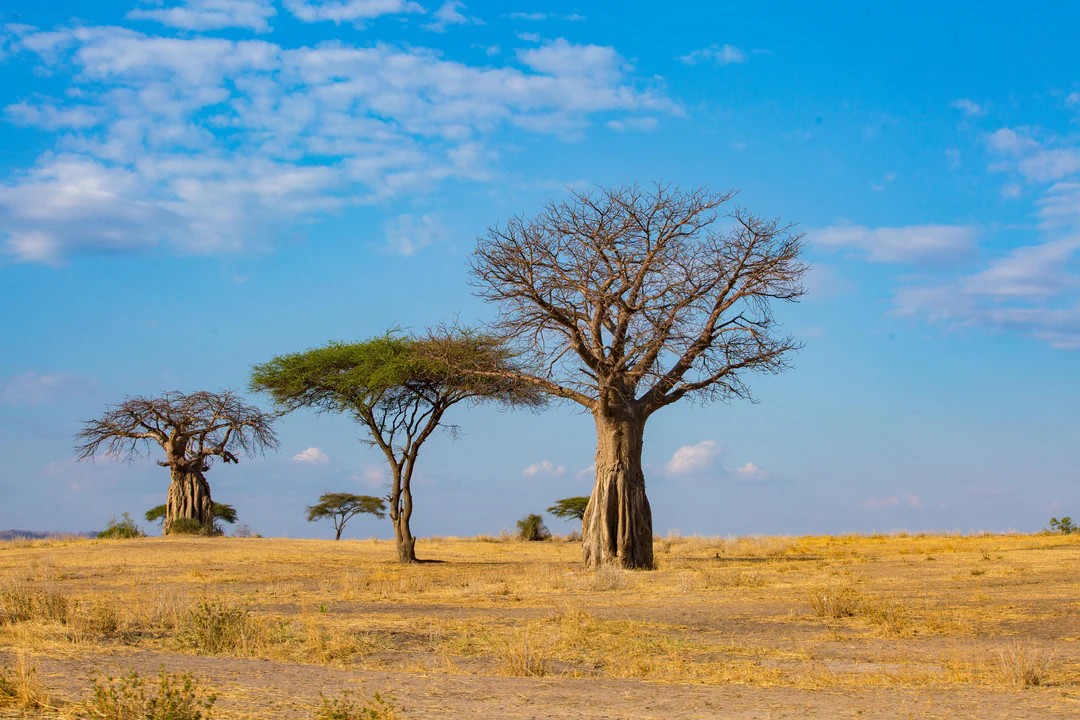
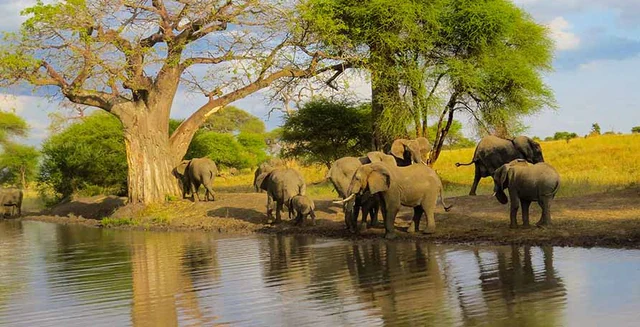
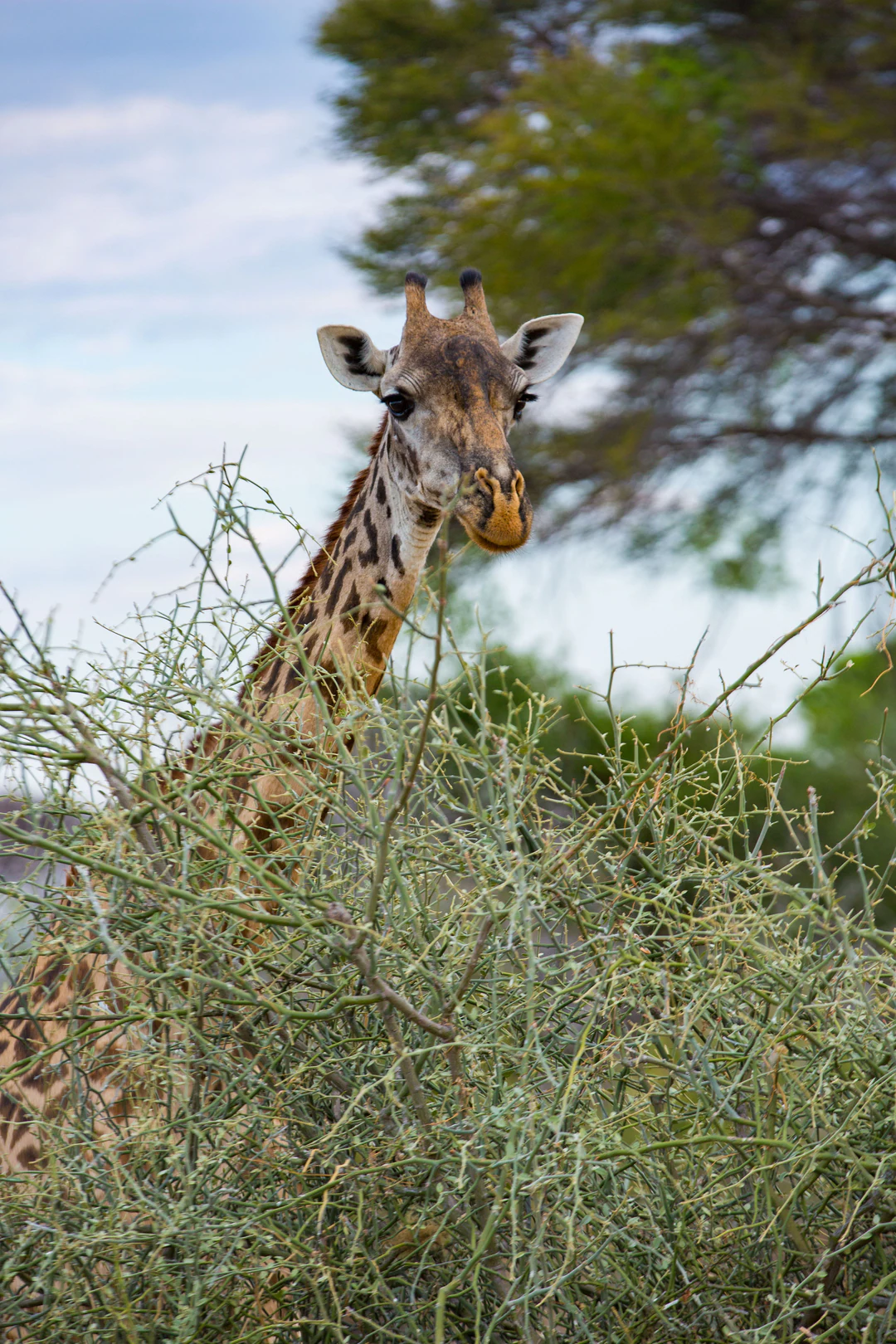
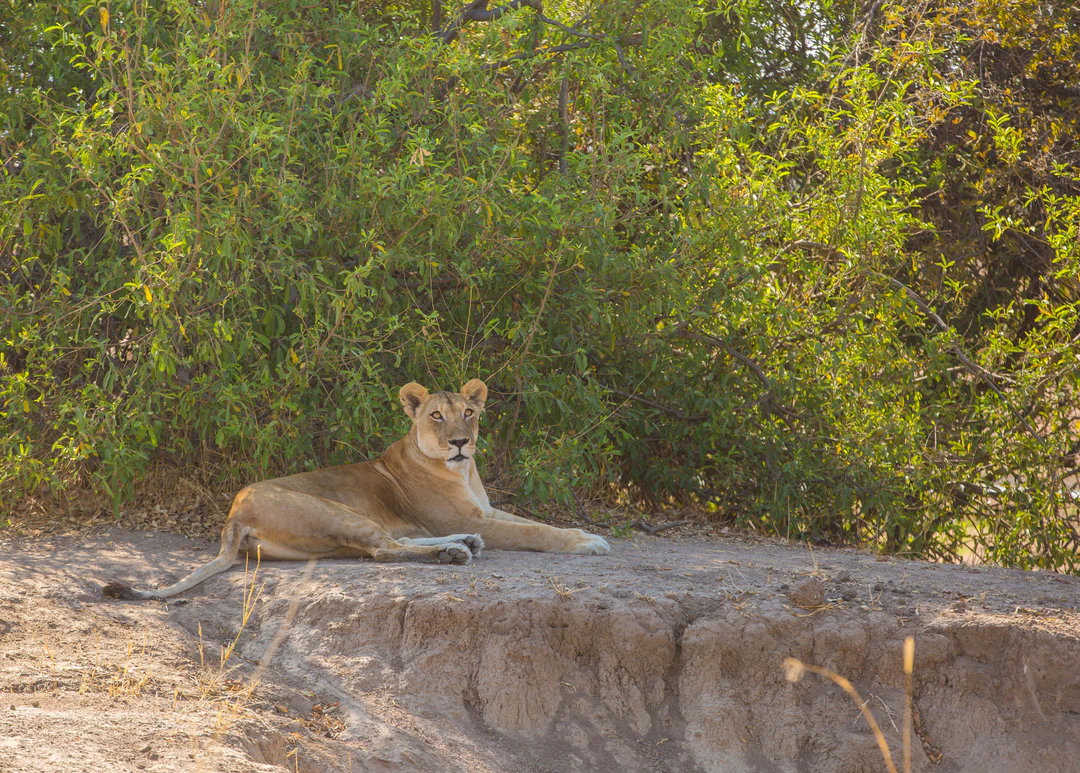
Tarangire National Park takes its name from the Tarangire River, which runs through the park from south to north and is the only permanent water for kilometres around. The park was gazetted in 1970 and covers 2,850 km² of rolling acacia savannah, seasonal swamps and some of the largest baobab trees in East Africa, many of them scarred by generations of elephants stripping their bark. The park runs on a simple rhythm. In the dry season, from June to October, the land outside dries out and wildlife from across the Maasai Steppe moves in toward the river. Elephant herds of a hundred or more are common, alongside buffalo, zebra, wildebeest, giraffe and eland, and the lion, leopard and cheetah that follow them. When the rains return in November, the herds disperse again and the park turns green and quiet.

Tarangire is also one of Tanzania's great birding parks, with more than 550 recorded species, including the yellow-collared lovebird and ashy starling, both found only in Tanzania. The northern section along the river is where most visitors spend their time. Further south, around the Silale Swamp and the remote Mkungunero area, you can drive for an hour without seeing another vehicle, and the drier country holds fringe-eared oryx and gerenuk. Because it is only two hours from Arusha, most of our guests begin their safari here before continuing to Lake Manyara, the Ngorongoro Crater and the Serengeti. If time is short, a Tarangire day trip from Arusha is easy to arrange, but a night in or beside the park lets you be out at dawn, when the elephants come down to drink.

Things to Do in Tarangire

Tarangire rewards time on the river. Most days start early along the Tarangire River and its lookouts, pause for lunch through the heat, and end in the late light when the elephants return to the water. Around the park's edges, the neighbouring wildlife management areas add activities you cannot do on a standard park drive.

See all activities

Game drives along the riverThe Tarangire River circuit is where the herds concentrate in the dry season, with elephant, buffalo and big cats in the same few kilometres. Your guide knows which lookouts are working that week.
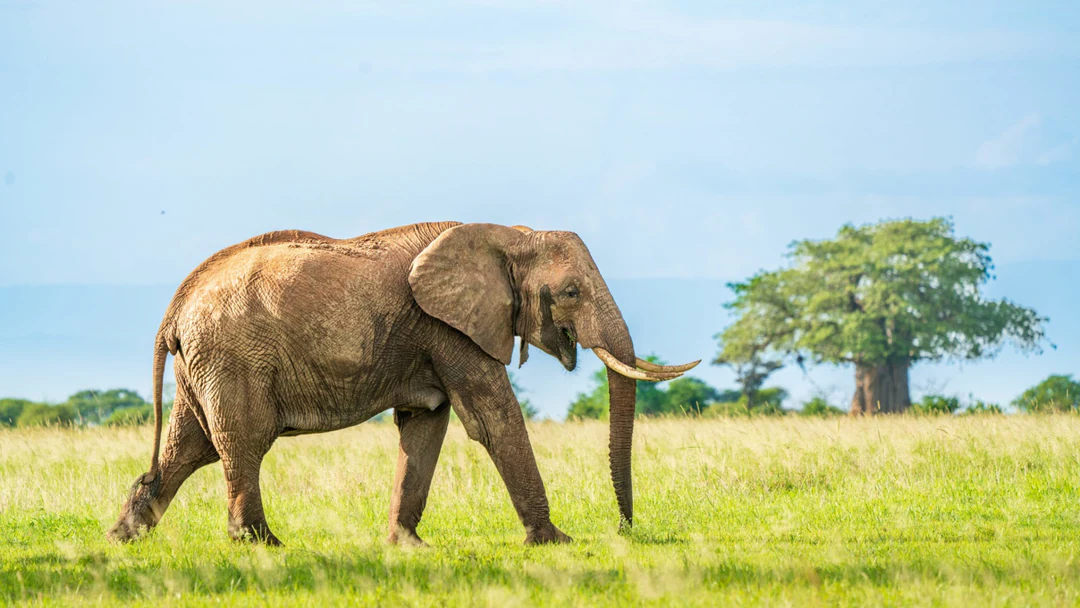
Elephant watchingTarangire has one of the highest dry-season elephant densities in Tanzania. Families dig for water in the riverbed, dust-bathe on the banks and cross the track a few metres from your vehicle.
Baobabs and big treesSome of the park's baobabs are thought to be well over a thousand years old, and the sausage trees and tamarinds along the river are favourite resting places for leopard.
Walking safarisGuided walks with an armed ranger in designated areas of the park and the neighbouring wildlife management areas. You see the tracks, termite mounds and small life you miss from a vehicle.
Night game drivesOffered in the wildlife management areas bordering the park, where you might find genet, bushbaby, aardwolf or a leopard on the move after dark.
BirdwatchingMore than 550 species, with Tanzania endemics such as the yellow-collared lovebird and ashy starling, plus kori bustard, ostrich and large numbers of migrants from November to April.

When to go

The Best Time to Visit Tarangire, and What Each Season Brings

Tarangire is a dry-season park first. The less rain there is, the more wildlife crowds onto the river, so the months when the surrounding country looks parched are the months the park is at its best. The green season has its own rewards, though, and far fewer visitors.

June to October: peak dry season. The Tarangire River is the only reliable water for kilometres, and elephant, buffalo, zebra and wildebeest pour in from the Maasai Steppe. This is when Tarangire rivals any park in Africa for elephant numbers.
November and December: the short rains. Fresh grass pulls many of the herds back out of the park, but birdlife peaks as migrants arrive and the landscape turns green almost overnight.
January to March: green season. Zebra and wildebeest calve on the plains outside the park, while resident elephants and predators stay. Game viewing is quieter but lush, and rates are lower.
April and May: the long rains. Heavy downpours, some tracks on black cotton soil become difficult and a few camps close. The best value of the year for flexible travellers.

Whatever the season, Tarangire pairs naturally with the Serengeti: elephants here and the river crossings in the north during the dry season, or calving on the southern Serengeti plains in the green season. For rainfall and temperatures by month, see our Tanzania weather guide and let us plan your trip. →

Where to Stay in Tarangire

View All accommodations
Budget

Lodges and campsites near the gate

Simple tented camps and lodges outside the main gate, or public campsites inside the park. You drive in for game drives each day, which keeps costs down without cutting your time with the wildlife.

Outside the main gate
Mid-range

Tented camps on the park's edge

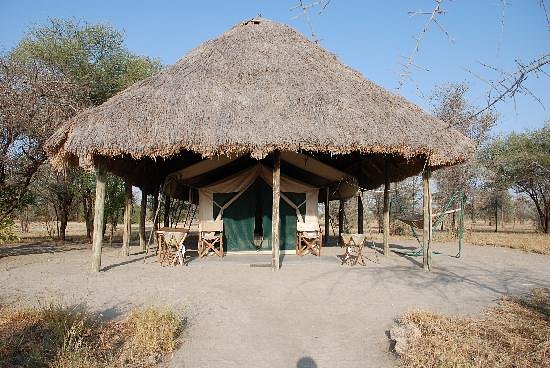
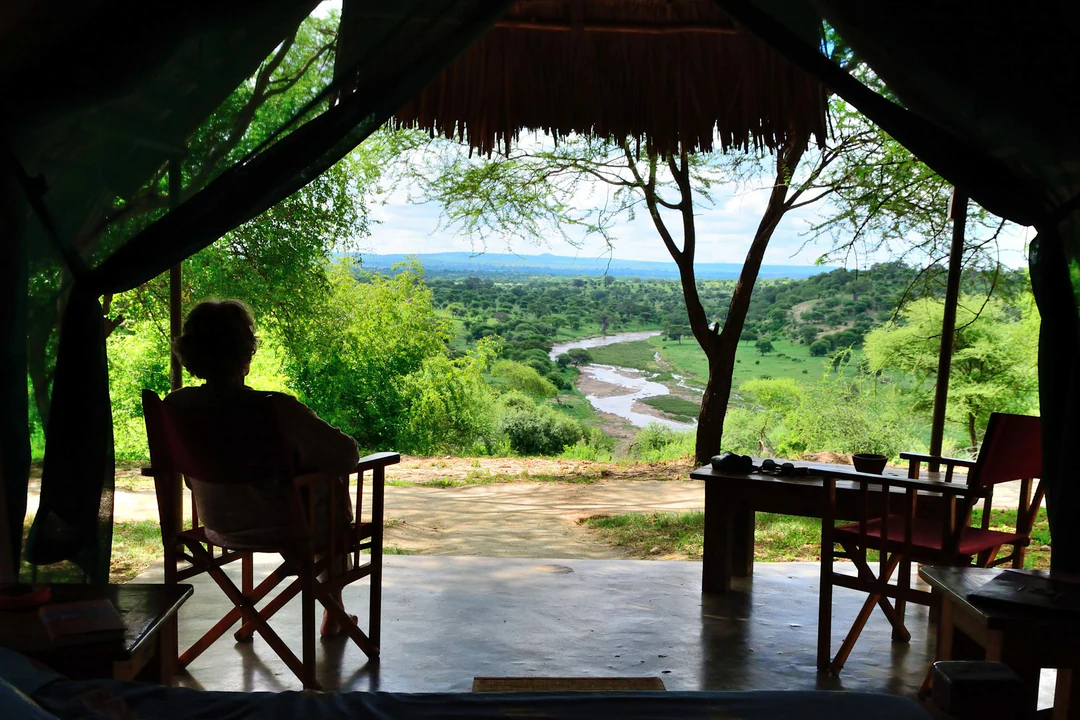
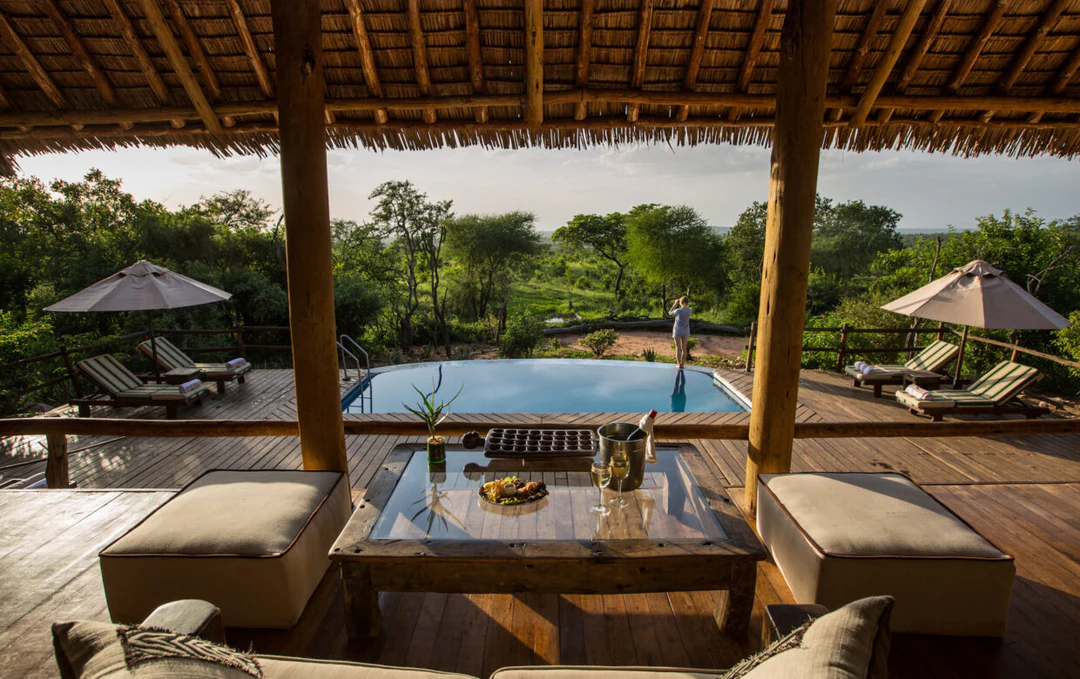
Comfortable permanent tented camps with en-suite bathrooms, many on the escarpment or in the wildlife management areas bordering the park, with wide views over the Tarangire River valley.

Park boundary and wildlife management areas
Luxury

Lodges inside the park

Above the crossing points, with private vehicles and a short drive to the river in season.

Inside the park

Tarangire Safaris, Tailored to You

Start with one of these safaris that include Tarangire, then work with our local expert in Arusha to change the pace, the camps and the length.

Tarangire Questions We Get Most Often

Is Tarangire worth visiting if I am going to the Serengeti?Yes, especially from June to October. Tarangire has large elephant numbers and baobab landscapes you will not find in the Serengeti, and it sits close to the main road west from Arusha, so it adds very little travel time.
What is the best time to visit Tarangire?June to October, when the dry season concentrates wildlife along the Tarangire River. November to May is greener, quieter and better for birds, but many of the big herds spread out beyond the park.
How far is Tarangire from Arusha?About 120 km, or roughly two hours on a good tarmac road. Light aircraft also land at Kuro airstrip inside the park.
Tarangire or Lake Manyara: which should I choose?If you only have time for one, Tarangire usually wins in the dry season for its elephants and space. Lake Manyara is smaller and greener, with groundwater forest and a soda lake, and suits a short stop on the way to the Ngorongoro Crater. Many itineraries include both.