TL;DR: Tanzania's weather by month follows the rains. The north and the coast get long rains from mid-March to May and short rains in November and December. The south gets one wet season, roughly November to April. June to October is dry and cooler, and December to March is the hottest stretch. Altitude matters more than the calendar, so pack layers. Tell us your travel month and we'll plan your trip around the weather. Tanzania weather by month surprises a lot of first-time visitors. The country lies just south of the equator, so you might expect the same heat all year. It doesn't work that way. You can need a fleece at dawn on the Ngorongoro Crater rim and still be sweating by lunch on a Zanzibar beach. This guide gives you the numbers region by region: typical day and night temperatures, how much rain falls, and what the rainy seasons feel like on a game drive. We've also added the latest outlook for the 2026 short rains, which forecasters expect to be wetter than usual. We're an Arusha-based team, and we plan safaris, Kilimanjaro climbs and beach holidays in every season. The weather shapes every trip we build, so we've kept this guide simple and practical. Want to know what to do in each month rather than the numbers? Read our guide to the best time to visit Tanzania. This page sticks to rain and temperature.
What Is the Weather Like in Tanzania?
Tanzania has a tropical climate, but altitude decides how warm you feel. The coast and islands stay hot and humid all year, averaging 27 to 29°C. The inland highlands, where most safaris happen, are warm by day and cool at night. Rain, not heat, sets the seasons. The same World Bank data shows average temperatures of 20 to 30°C across the central, northern and western regions. The warmest stretch runs from December to March. The coolest months are June and July. Rainfall varies even more than temperature. The same data puts yearly rain at about 550 mm in the dry centre of the country and up to 3,690 mm in parts of the southwestern highlands. Tanzania also has two rain patterns. The FAO's Tanzania country brief describes the north, northeast and coast as areas with two rainy seasons, while the south and centre get one. That's why a safari in Ruaha and a safari in the Serengeti can have very different weather in the same month.
When Is the Rainy Season in Tanzania?
The north and the coast have two rainy seasons. The long rains, called masika, fall from mid-March to May, and April is usually the wettest month. The short rains, called vuli, fall mostly in November and December. The south has one longer wet season, roughly November to April.
Arusha shows the northern pattern clearly. WeatherSpark's Arusha data puts April as the month with the most wet days and July as the month with the fewest.
Southern parks follow a different clock. Weather2Travel's figures for Nyerere (formerly Selous) show rain from November to May, peaking at about 219 mm in March and 311 mm in April.
Here's the good news: rain rarely lasts all day. Most wet-season days bring a storm or a few showers, often in the afternoon, with dry, bright spells in between.
Tanzania Weather Month by Month
The table below shows typical day and night temperatures and monthly rainfall for four places that cover most trips. The Serengeti column is Seronera, in the centre of the park. Real weather in any one year can be wetter or drier.
Source: long-term monthly averages from Weather2Travel's Tanzania climate guides. The month notes below use the same figures.
Weather in Tanzania in January
January is warm and fairly settled in the north, which gets a short drier break. Showers still fall, though: Seronera averages about 81 mm of rain. Zanzibar is hot at about 32°C by day. Down south, Ruaha is deep in its wet season.
Weather in Tanzania in February
February is often the hottest month inland. Arusha has its warmest days now, with highs around 28°C. Zanzibar has one of its driest months at about 54 mm, but it feels very humid.
Weather in Tanzania in March
March is hot and humid, and the long rains usually start in the middle of the month. Seronera gets about 121 mm and Zanzibar about 150 mm. The sea is at its warmest, around 29°C.
Weather in Tanzania in April
April is the wettest month for most of the north and the coast. Zanzibar averages about 385 mm, and the Ngorongoro highlands about 213 mm. Expect heavy afternoon storms, muddy tracks and quiet parks.
Weather in Tanzania in May
The long rains ease as May goes on. Zanzibar is still wet at about 254 mm, but the Serengeti drops to about 68 mm. Nights get cooler. In Ruaha, May is already mostly dry.
Weather in Tanzania in June
June starts the long dry season. Serengeti days reach about 25°C and nights fall to about 13°C. On the Ngorongoro rim, nights drop to about 8°C, so bring a warm layer. Skies are mostly clear.
Weather in Tanzania in July
July is the coolest and driest month for much of the country. Arusha has its coldest nights, around 13°C, and almost no rain. Seronera gets only about 9 mm. Zanzibar is pleasant at about 28°C.
Weather in Tanzania in August
August is dry and sunny, with cold mornings in the highlands. Ngorongoro stays at about 20°C by day and 8°C at night. Zanzibar's sea is at its coolest, about 25°C, but still fine for swimming.
Weather in Tanzania in September
September stays dry and starts to warm up. Ruaha has no rain on average and highs of about 30°C. In the north, days reach about 27°C, and clear skies are the norm.
Weather in Tanzania in October
October is warm and mostly dry, but it's a month of change. The first showers can arrive in the second half. Ruaha heats up to about 31°C. In 2026, TMA expected the short rains to start early, in the first or second week of October, in the north and on the coast.
Weather in Tanzania in November
November brings the short rains. Seronera averages about 100 mm and Zanzibar about 216 mm, mostly as afternoon or evening showers. The south is very hot before its rains, with Ruaha at about 32°C. For November 2026, forecasters expect more rain than normal (see the El Niño section below).
Weather in Tanzania in December
December is warm, green and showery. The short rains continue in the north and on the coast, with the Ngorongoro highlands at about 137 mm. In the south, the wet season starts properly, and Ruaha jumps to about 149 mm.
What Are the Hottest and Coldest Months in Tanzania?
The hottest months run from December to March, when the coast reaches about 32°C by day. The south peaks in October and November, just before its rains. The coldest months are June to August. July is coldest in Arusha, and nights in the Ngorongoro highlands drop to about 8°C.
Humidity matters as much as heat. Weather2Travel rates heat and humidity in Dar es Salaam as very high from December to March. It only drops to moderate in July and August.
Height changes everything. According to Bradt's Tanzania climate guide, days above 1,000 m are warm to hot, while places above 2,000 m are moderate to warm. So is Tanzania hot or cold? Both, depending on where you stand.
Weather by Region: Parks, Highlands, Coast and Mountains
Northern safari parks
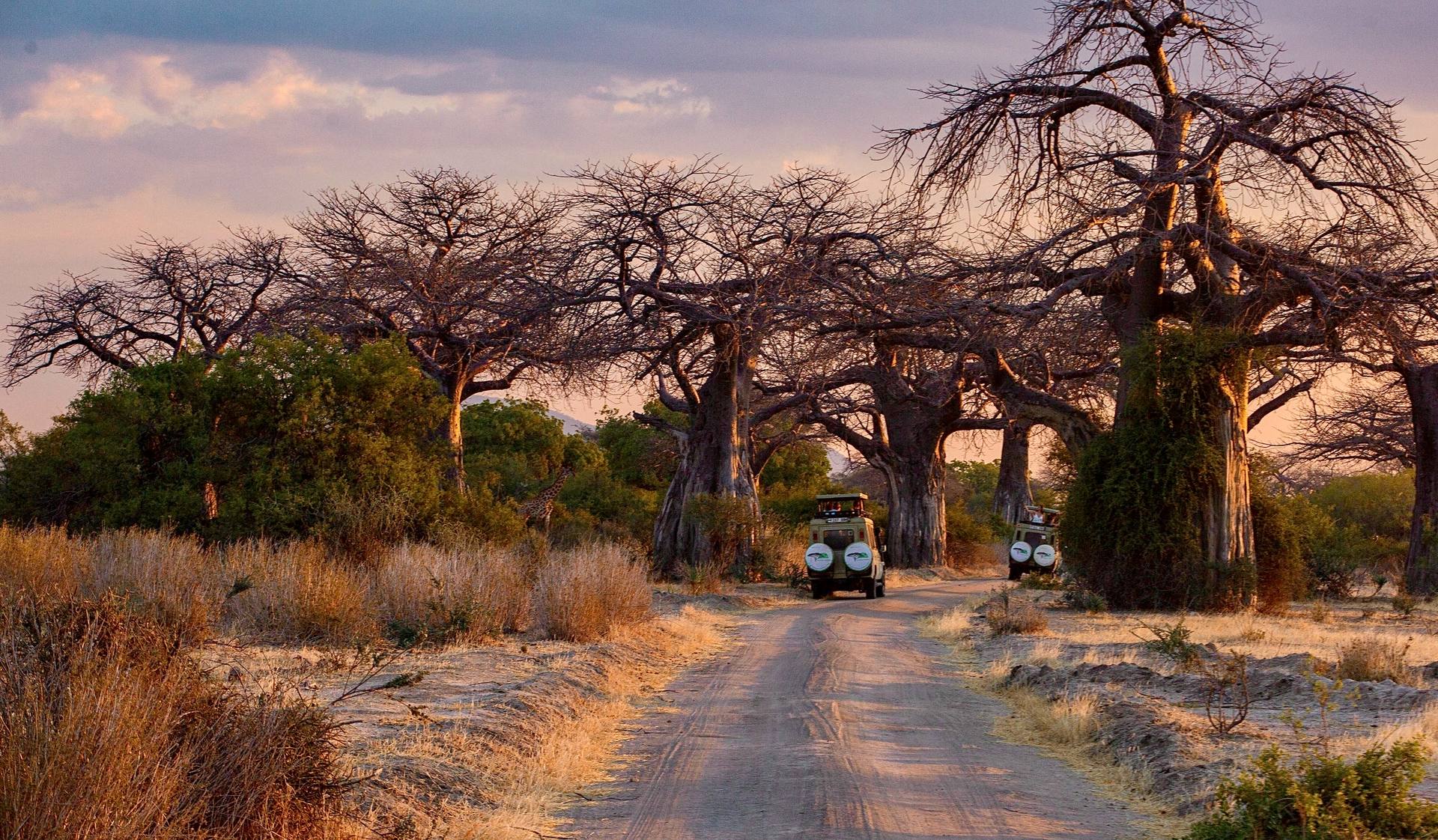
Serengeti National Park, Tarangire National Park and Lake Manyara sit on high plains with mild weather. In the central Serengeti, days stay between 25 and 28°C, nights between 13 and 16°C, and about 840 mm of rain falls in a year.
In our experience, we always have the best times in the northern parks during the dry season. With little water around, a lot of animals gather in a small area, and that makes every game drive exciting.
Ngorongoro Crater highlands
The crater highlands are the coolest part of a northern safari. Days reach only 19 to 23°C, and nights drop to 8 to 11°C all year. Pack a fleece for cold mornings on the crater rim, even in the hottest months.
Southern parks
Nyerere National Park and Ruaha National Park are lower and hotter. In Nyerere, dry season days reach about 29 to 31°C and nights about 17 to 19°C. Many camps there close in April and May, when the rain is heaviest. Ruaha is dry from June to October, with almost no rain at all.
Zanzibar and the coast
The coast is hot and humid all year. On Zanzibar, days run from about 28 to 32°C, and the sea stays between 25 and 29°C. April and May are the wettest months, and November brings a second wet spell. For a Zanzibar beach holiday, the driest months are usually June to September and February. They also suit a safari and Zanzibar trip, with dry parks and calm beaches.
Kilimanjaro and Mount Meru
Mountain weather changes with height. It's warm and green at the base, but the Tanzania Tourist Board warns that summit temperatures on Kilimanjaro can fall as low as minus 25°C. Kilimanjaro's summit stands at 5,895 m (19,341 ft). The dry months are the most popular for climbing Kilimanjaro.
Will El Niño Make the 2026 Short Rains Wetter?
Checked: 20 October 2026. This section will be updated in February 2027.
Very likely. The Tanzania Meteorological Authority (TMA) forecasts normal to above-normal rain from October to December 2026 across the north, the coast, Zanzibar and Pemba. November should be the wettest month, and off-season rain may carry on into January 2027.
El Niño is a warming of the Pacific Ocean that changes weather around the world. In East Africa, it usually brings more rain during the short rains. TMA's outlook covers Arusha, Manyara, Kilimanjaro, Dar es Salaam, Tanga, Mafia Island, Unguja and Pemba. That's almost every stop on a typical safari and beach trip.
In late September, TMA said El Niño was still strengthening, with a peak expected in November and December. The regional climate centre ICPAC also forecasts a wetter-than-normal season across the Greater Horn of Africa, with totals above 400 mm around Lake Victoria and in western Tanzania.
A wetter forecast doesn't mean rain everywhere, every day. TMA itself advises people to follow its official forecasts and alerts rather than treat a seasonal outlook as a promise.
What this means for your trip:
- Expect more afternoon storms in November, and possibly into January 2027.
- Some park tracks and side roads can turn muddy, so allow extra driving time.
- Zanzibar may see more rainy days than usual in November and December.
- Ask us for the latest forecast before you travel.
Travelling in the Rainy Season: What Changes on the Ground
Rain changes a trip more than it ruins it. Here's what to plan for:
- Afternoon storms: In the wet months, showers often come in the afternoon, so early game drives are your best window.
- Muddy roads: Heavy rain can slow some park tracks and side roads. A spare half day in your plan helps.
- Camp closures in the south: Many camps in Nyerere close in April and May.
- Quieter parks: Bradt calls April and May the quietest time of year on the northern circuit.
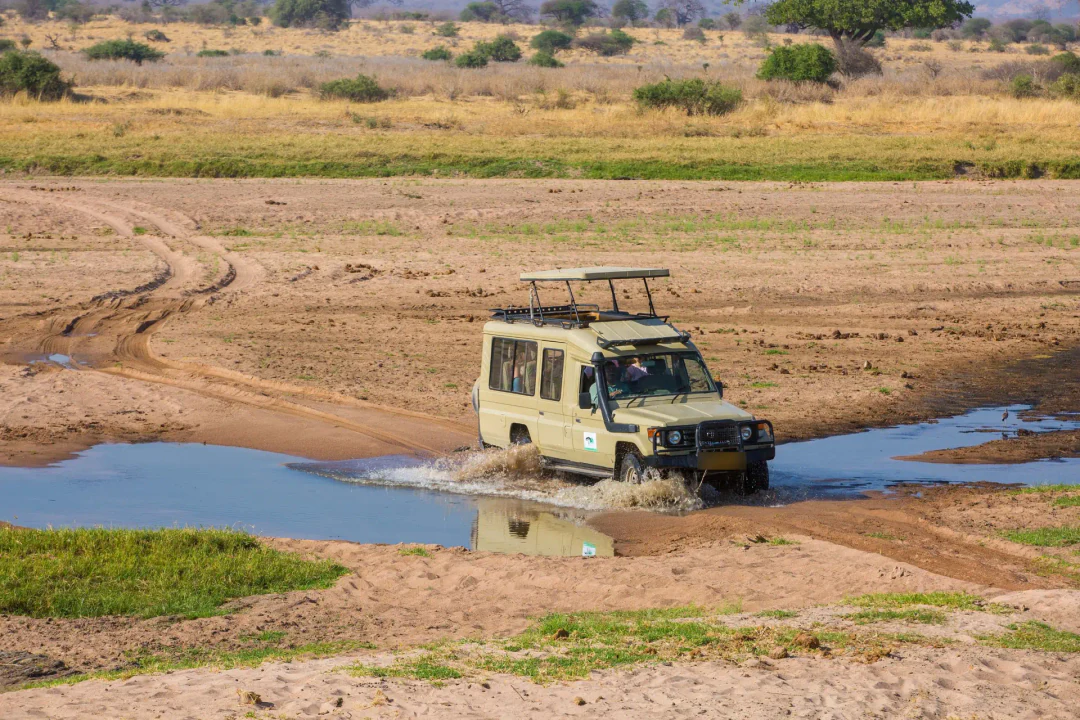
The dry season has its own quirks. Highland mornings and evenings are cold, and park tracks get dusty late in the season. Pack layers you can add and remove through the day. Our guide on how to pack for every season covers what to bring.
Conclusion: Plan Around the Weather, Not Against It
Tanzania's weather follows a clear pattern once you know it. Keep three things in mind:
- June to October is dry and cooler, with cold nights in the highlands.
- December to March is the hottest time, especially on the coast.
- April and May bring the heaviest rain, with a shorter wet spell in November and December.
Altitude matters more than the month, so pack layers wherever you go.
Browse our Tanzania safari tours for ideas, or request your trip, and our Arusha team will reply with a plan built around your dates. Every month in Tanzania has something to offer.